BUILDING NIGHTMARES: THE ART OF HORROR GAME DESIGN
BUILDING NIGHTMARES: THE ART OF HORROR GAME DESIGN
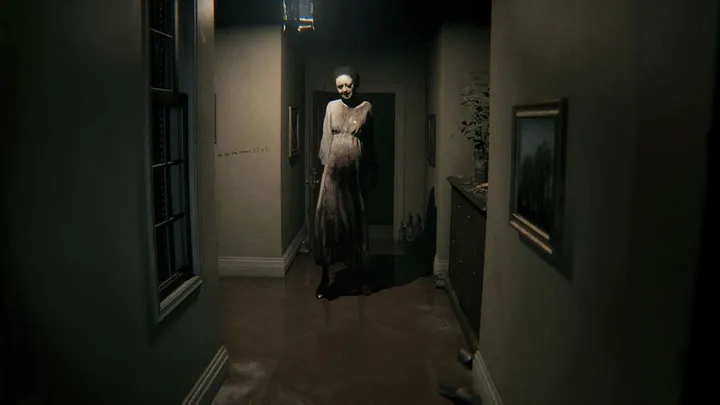
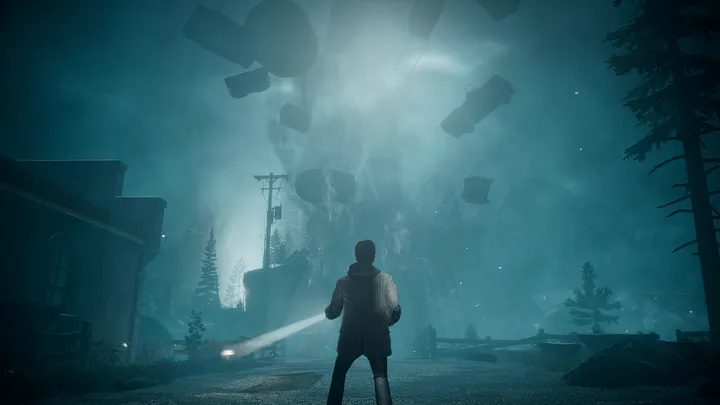
Horror in games is not created through loud sounds or sudden scares — it is built through atmosphere, psychology, and control. In my article “Building Nightmares,” I explore how fear is carefully constructed through environmental storytelling, sound design, pacing, and mechanical restraint. I talk about why limiting player power can increase tension, how subtle details shape emotional discomfort, and why true horror lives in uncertainty rather than shock value.
This piece reflects my design philosophy — that horror should not just scare the player, but slowly surround them, making them question their safety, perception, and control.
Read the full article to explore how fear becomes an interactive experience.
Horror in games is not created through loud sounds or sudden scares — it is built through atmosphere, psychology, and control. In my article “Building Nightmares,” I explore how fear is carefully constructed through environmental storytelling, sound design, pacing, and mechanical restraint. I talk about why limiting player power can increase tension, how subtle details shape emotional discomfort, and why true horror lives in uncertainty rather than shock value.
This piece reflects my design philosophy — that horror should not just scare the player, but slowly surround them, making them question their safety, perception, and control.
Read the full article to explore how fear becomes an interactive experience.
Author
Parav Verma
Parav Verma
READ
12 Mins
12 Mins
Category
Game Design
Game Design
MY FINAL VERDICT
MY FINAL VERDICT
I wrote this article because psychological horror has always been the genre that pushes my design thinking the most. While studying horror games, I became more interested in how fear often comes from limitation and uncertainty rather than direct danger. This article reflects how I think about designing atmosphere — where even a simple room, sound, or delayed event can shape the player’s emotional response.
I wrote this article because psychological horror has always been the genre that pushes my design thinking the most. While studying horror games, I became more interested in how fear often comes from limitation and uncertainty rather than direct danger. This article reflects how I think about designing atmosphere — where even a simple room, sound, or delayed event can shape the player’s emotional response.
More Blogs More Blogs

03
//FAQ
Concerns
Frequently
Asked Questions
01
Which game genres do I feel most passionate about designing?
02
Am I a specialist or a generalist Game Designer?
03
What is my design philosophy?
04
How do I approach designing a new game idea?
05
What makes Me different from other Game Designers?
06
Do I focus more on creativity or commercial viability?
03
//FAQ
Concerns
Frequently
Asked Questions
01
Which game genres do I feel most passionate about designing?
02
Am I a specialist or a generalist Game Designer?
03
What is my design philosophy?
04
How do I approach designing a new game idea?
05
What makes Me different from other Game Designers?
06
Do I focus more on creativity or commercial viability?
03
//FAQ
Concerns
Frequently
Asked Questions
01
Which game genres do I feel most passionate about designing?
02
Am I a specialist or a generalist Game Designer?
03
What is my design philosophy?
04
How do I approach designing a new game idea?
05
What makes Me different from other Game Designers?
06
Do I focus more on creativity or commercial viability?
//FAQ
SELF INTERVIEW
Frequently
Asked Question
Which game genres do I feel most passionate about designing?
Am I a specialist or a generalist Game Designer?
What is my design philosophy?
How do I approach designing a new game idea?
What makes Me different from other Game Designers?
Do I focus more on creativity or commercial viability?
Let'S WORK
TOGETHER
BASED IN INDIA

GAME DESIGNER
Let'S WORK
TOGETHER
BASED IN INDIA
GAME DESIGNER
Let'S WORK
TOGETHER
BASED IN INDIA
GAME DESIGNER
Let'S WORK
TOGETHER