Year
2024
PROJECT TYPE
PROTOTYPE
GENRE
# PSYCHOLOGICAL FPP
DEVELOPMENT TIME
3 - 4 Months
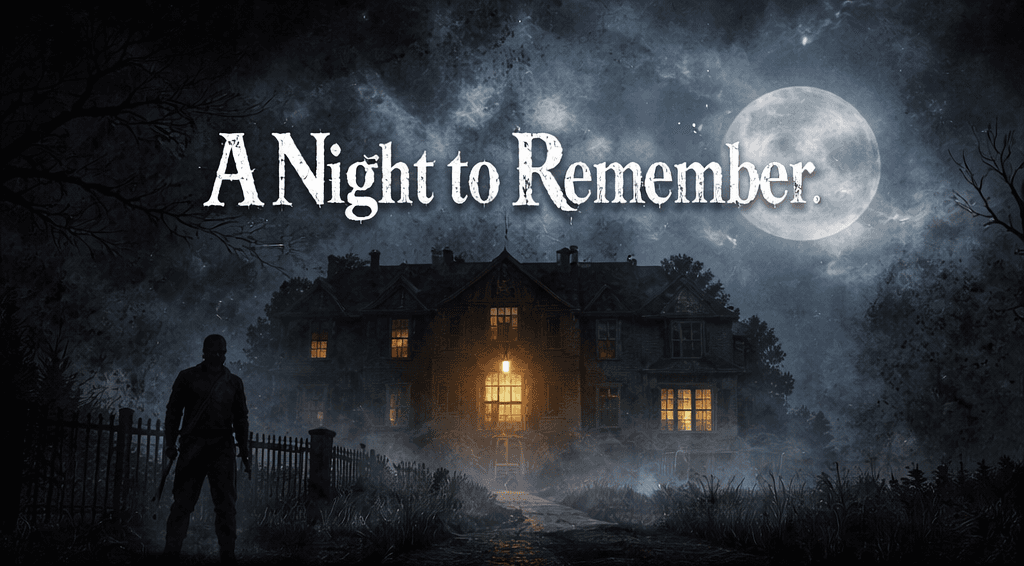
The core idea behind this concept is fear through vulnerability and psychological pressure. Instead of empowering the player with weapons, the design forces them to rely on awareness, silence, and decision-making.
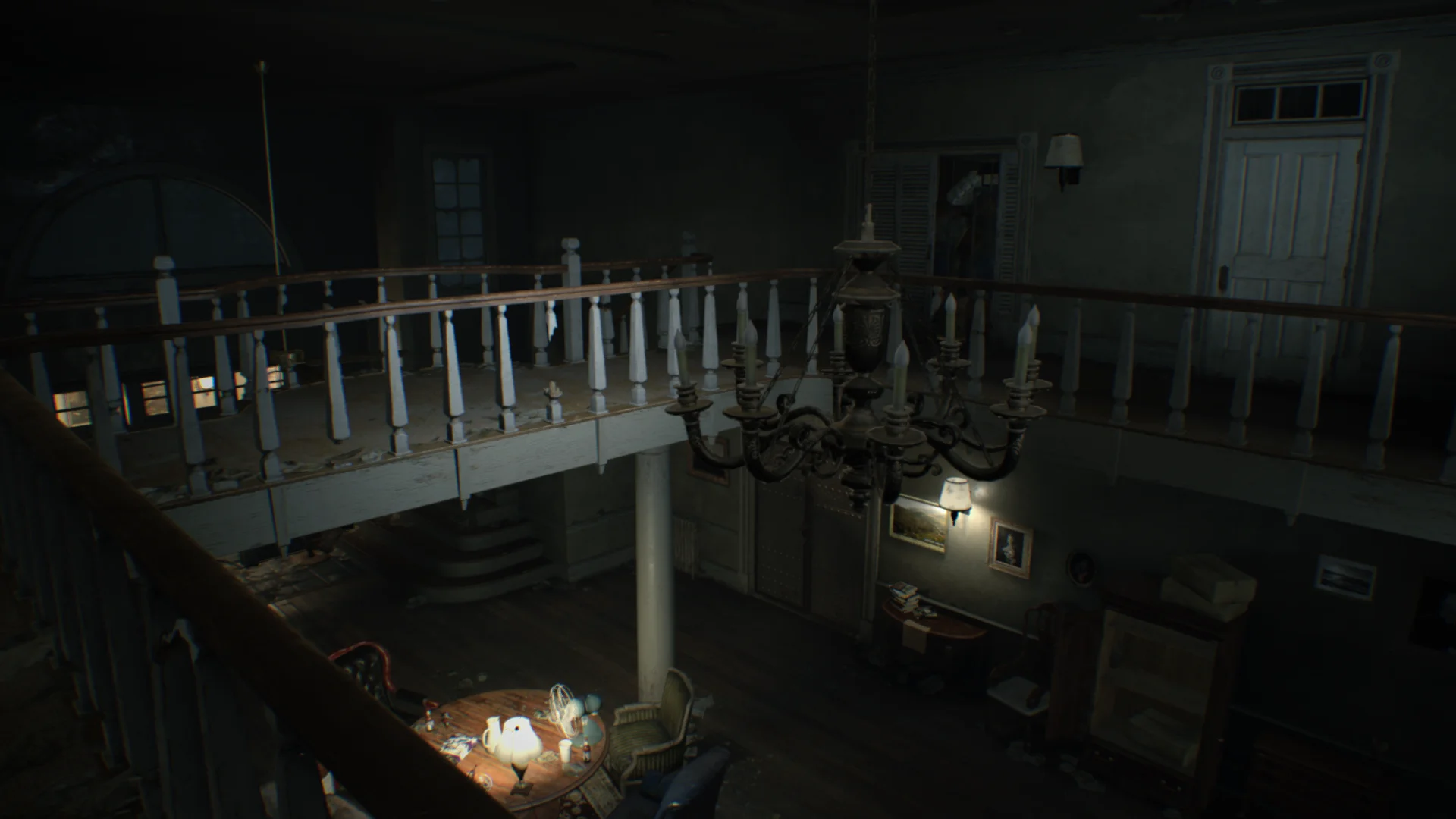
The house becomes both a shelter and a trap. Darkness, limited power, and Emily’s phobias constantly work against the player, making even safe spaces feel dangerous. By combining systems like breathing detection, fear meters, limited lighting, and stealth gameplay, the experience aims to recreate the feeling of being hunted inside one's own home.
The horror emerges from tension, uncertainty, and the player’s own mistakes rather than scripted jump scares.
1. Fear Through Vulnerability
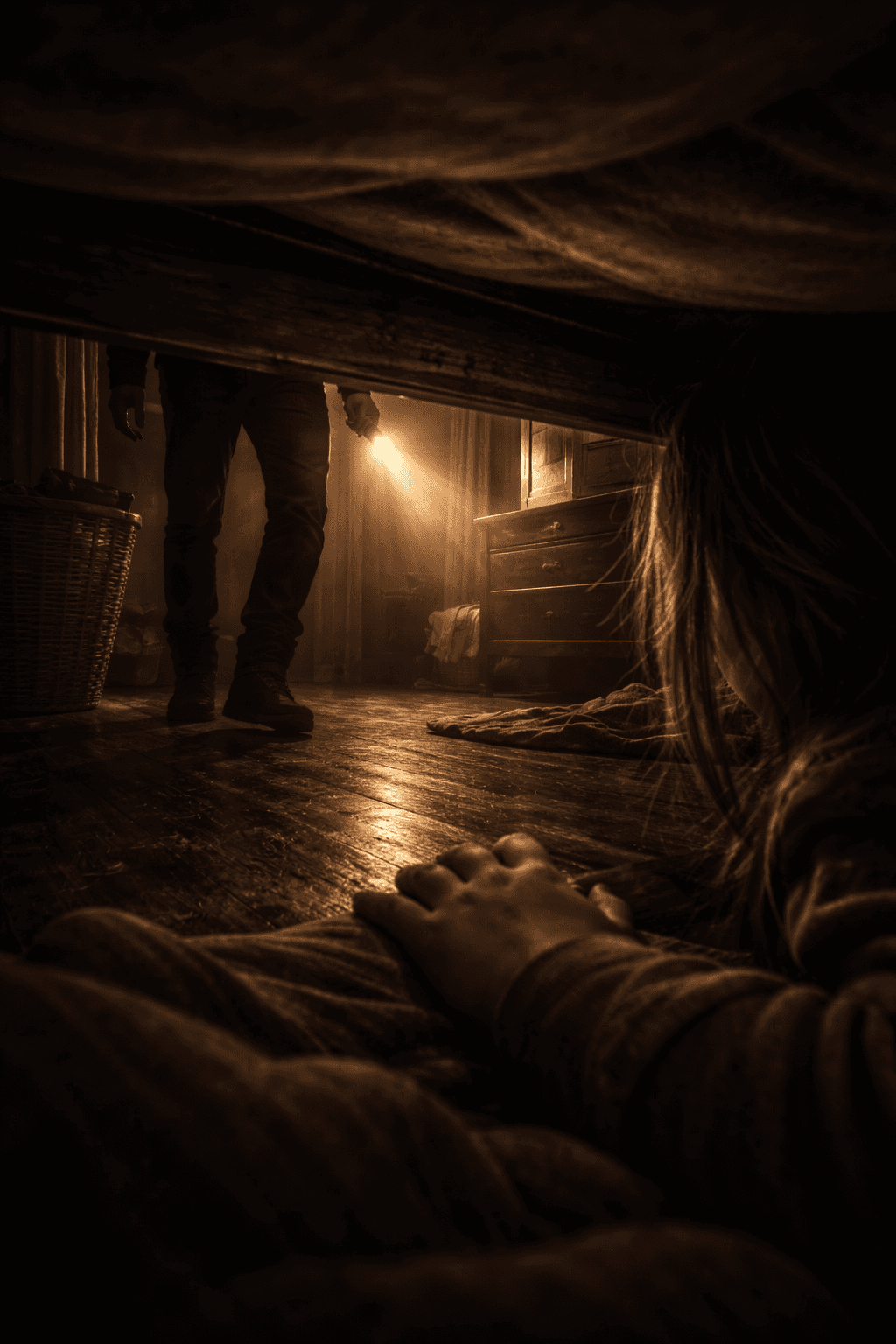
The player is not given direct power to fight back. Survival depends on hiding, staying calm, and making careful decisions under pressure.
2. The House as a Living Threat
A familiar home slowly becomes unsafe as darkness, broken power, and hidden movement turn ordinary spaces into sources of fear.
3. Psychological State Drives Gameplay
Emily’s claustrophobia and fear of darkness directly affect player choices, breathing, and hiding ability, making emotion part of the survival system.
4. Silence Is Survival
Sound matters as much as movement. Breathing, footsteps, and noise can reveal the player’s location and influence the intruder’s behavior.
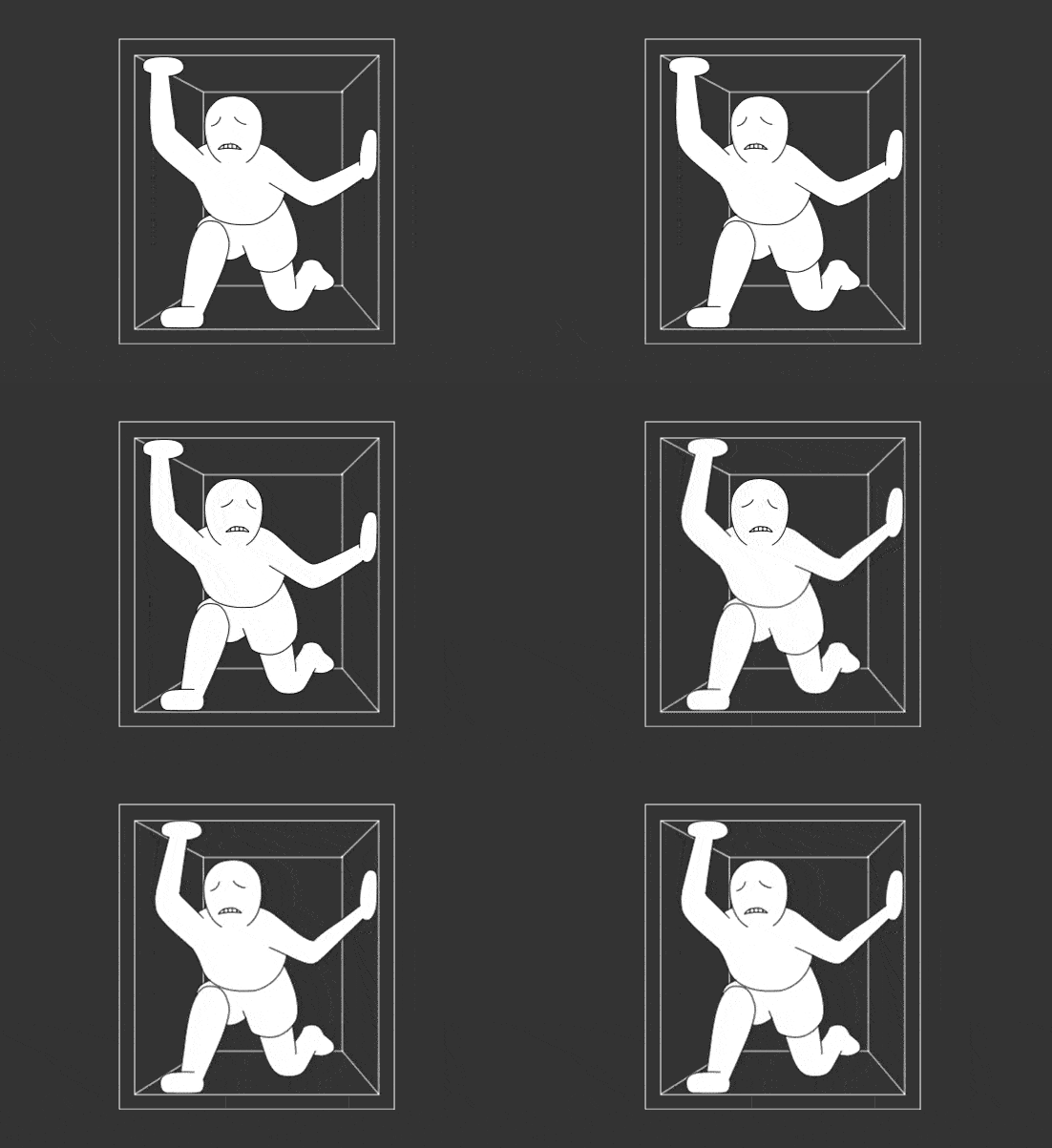
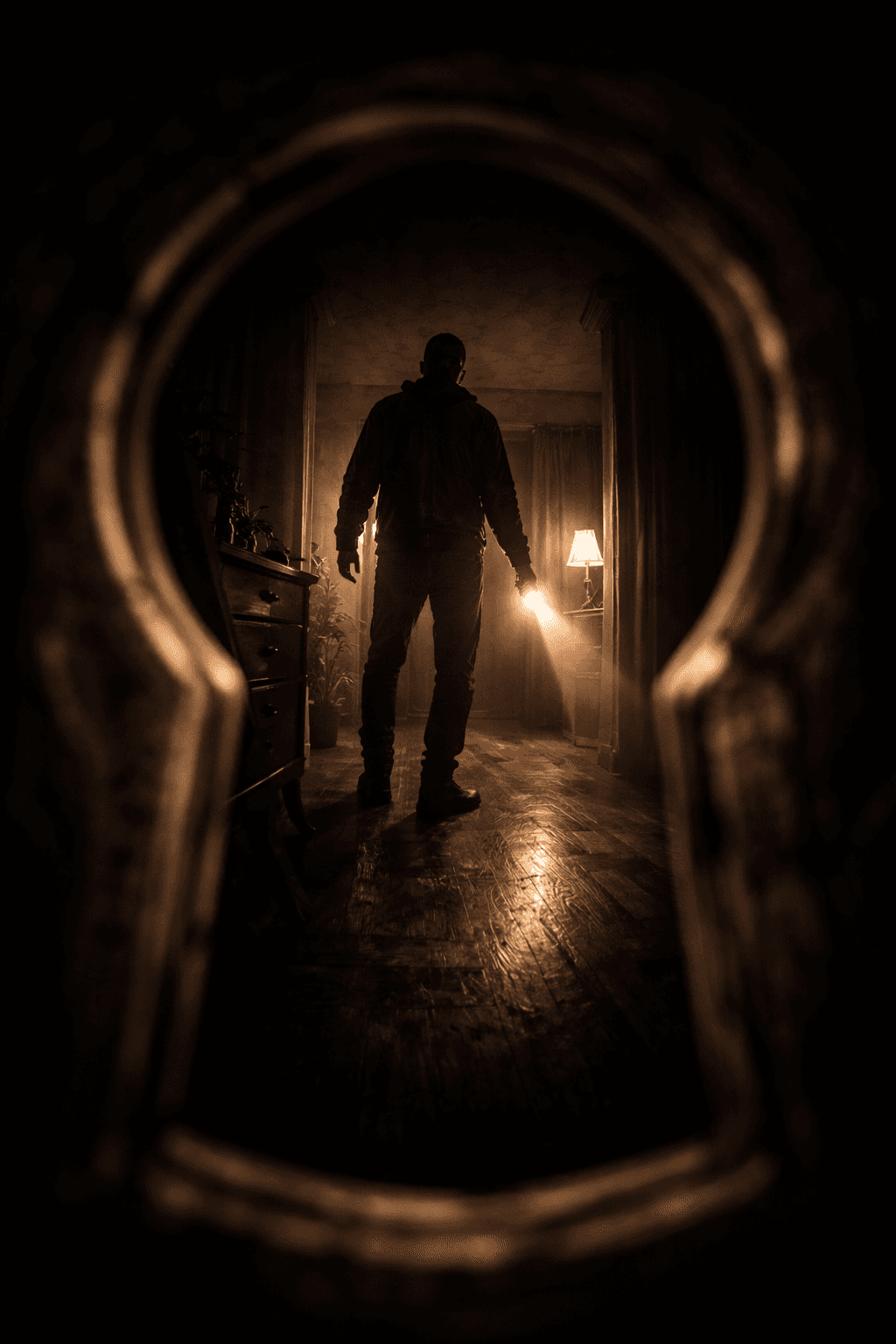
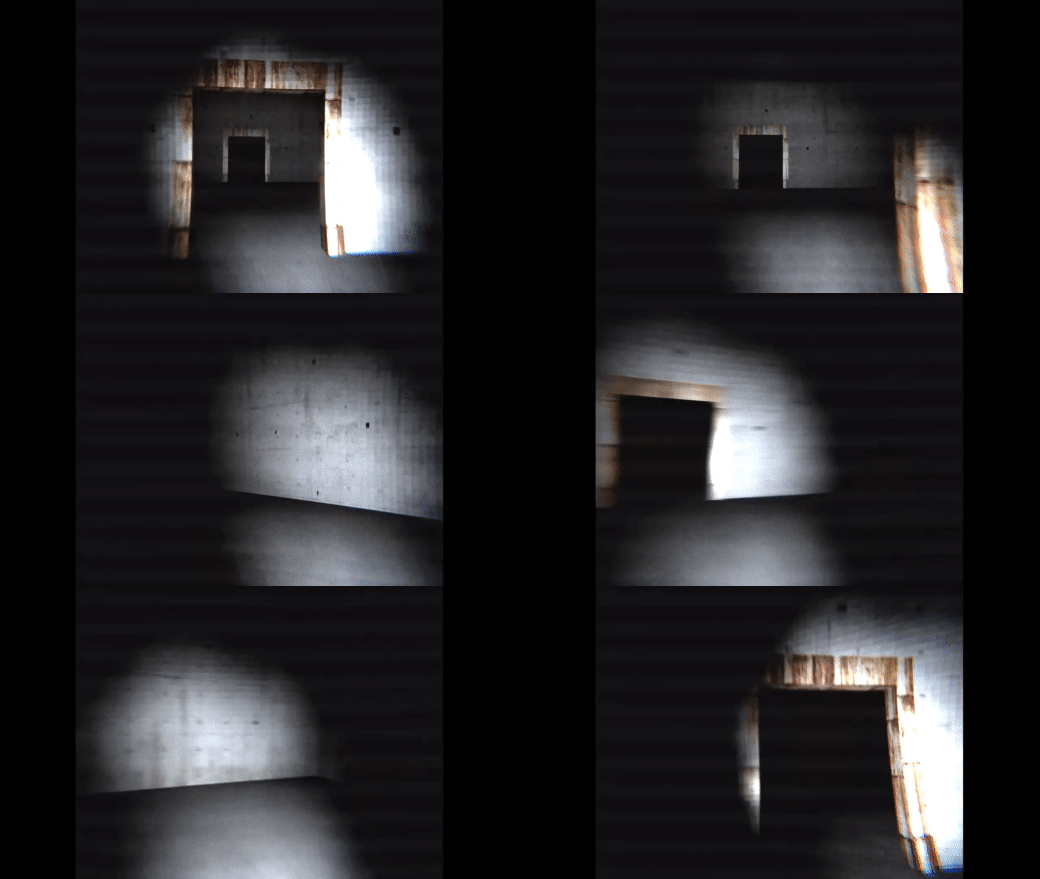
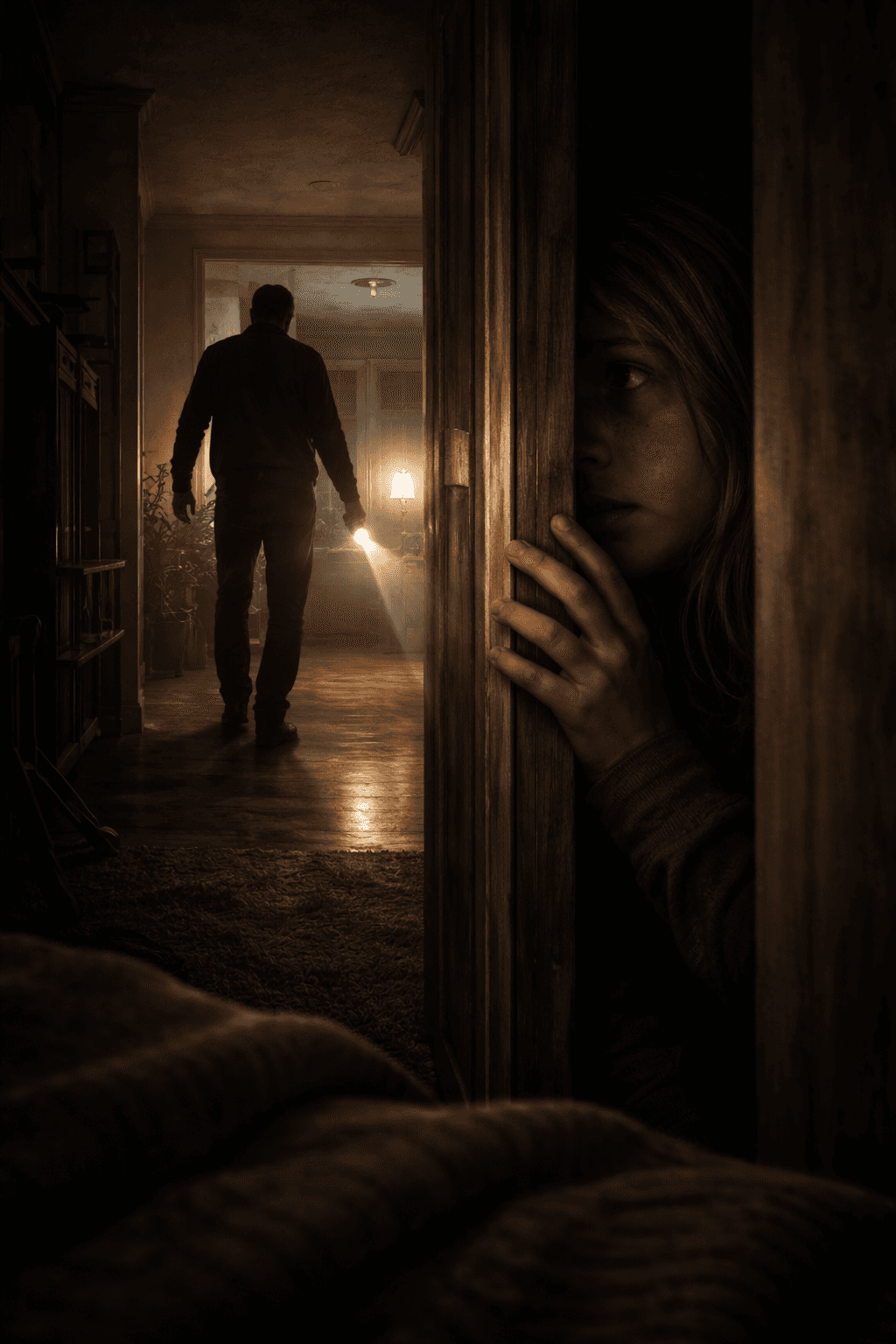
This concept explores how psychological states can directly influence gameplay systems. By integrating mechanics like claustrophobia, sound detection through microphone input, and power management, the design investigates how emotional tension can become an active gameplay mechanic.
The project has strong expansion potential through multiple chapters, deeper AI behavior for the intruder, and branching endings based on player decisions. With further development, the concept could evolve into a narrative-driven survival horror experience focused on immersive player fear and environmental storytelling.
More Works More Works