ASSASSIN CREED
ASSASSIN CREED
ASSASSIN CREED
Introduction
The Assassin’s Creed trilogy built around Ezio Auditore da Firenze — Assassin's Creed II, Assassin's Creed Brotherhood, and Assassin's Creed Revelations — remains one of the strongest examples of long-form character progression blended with evolving gameplay design.
Across three games, the player experiences historical cities as systems built for movement, stealth, exploration, and mission-driven storytelling. What makes the trilogy stand out is how player mastery grows alongside Ezio’s personal journey, making progression feel mechanical as well as emotional.
This review deconstructs the trilogy’s design pillars, core gameplay loop, and narrative structure, evaluating their successes and shortcomings while offering alternative design possibilities.
Game Designers:
Benoît Lambert
Patrick Plourde
Olivier Palmieri
Introduction
The Assassin’s Creed trilogy built around Ezio Auditore da Firenze — Assassin's Creed II, Assassin's Creed Brotherhood, and Assassin's Creed Revelations — remains one of the strongest examples of long-form character progression blended with evolving gameplay design.
Across three games, the player experiences historical cities as systems built for movement, stealth, exploration, and mission-driven storytelling. What makes the trilogy stand out is how player mastery grows alongside Ezio’s personal journey, making progression feel mechanical as well as emotional.
This review deconstructs the trilogy’s design pillars, core gameplay loop, and narrative structure, evaluating their successes and shortcomings while offering alternative design possibilities.
Game Designers:
Benoît Lambert
Patrick Plourde
Olivier Palmieri
Introduction
The Assassin’s Creed trilogy built around Ezio Auditore da Firenze — Assassin's Creed II, Assassin's Creed Brotherhood, and Assassin's Creed Revelations — remains one of the strongest examples of long-form character progression blended with evolving gameplay design.
Across three games, the player experiences historical cities as systems built for movement, stealth, exploration, and mission-driven storytelling. What makes the trilogy stand out is how player mastery grows alongside Ezio’s personal journey, making progression feel mechanical as well as emotional.
This review deconstructs the trilogy’s design pillars, core gameplay loop, and narrative structure, evaluating their successes and shortcomings while offering alternative design possibilities.
Game Designers:
Benoît Lambert
Patrick Plourde
Olivier Palmieri
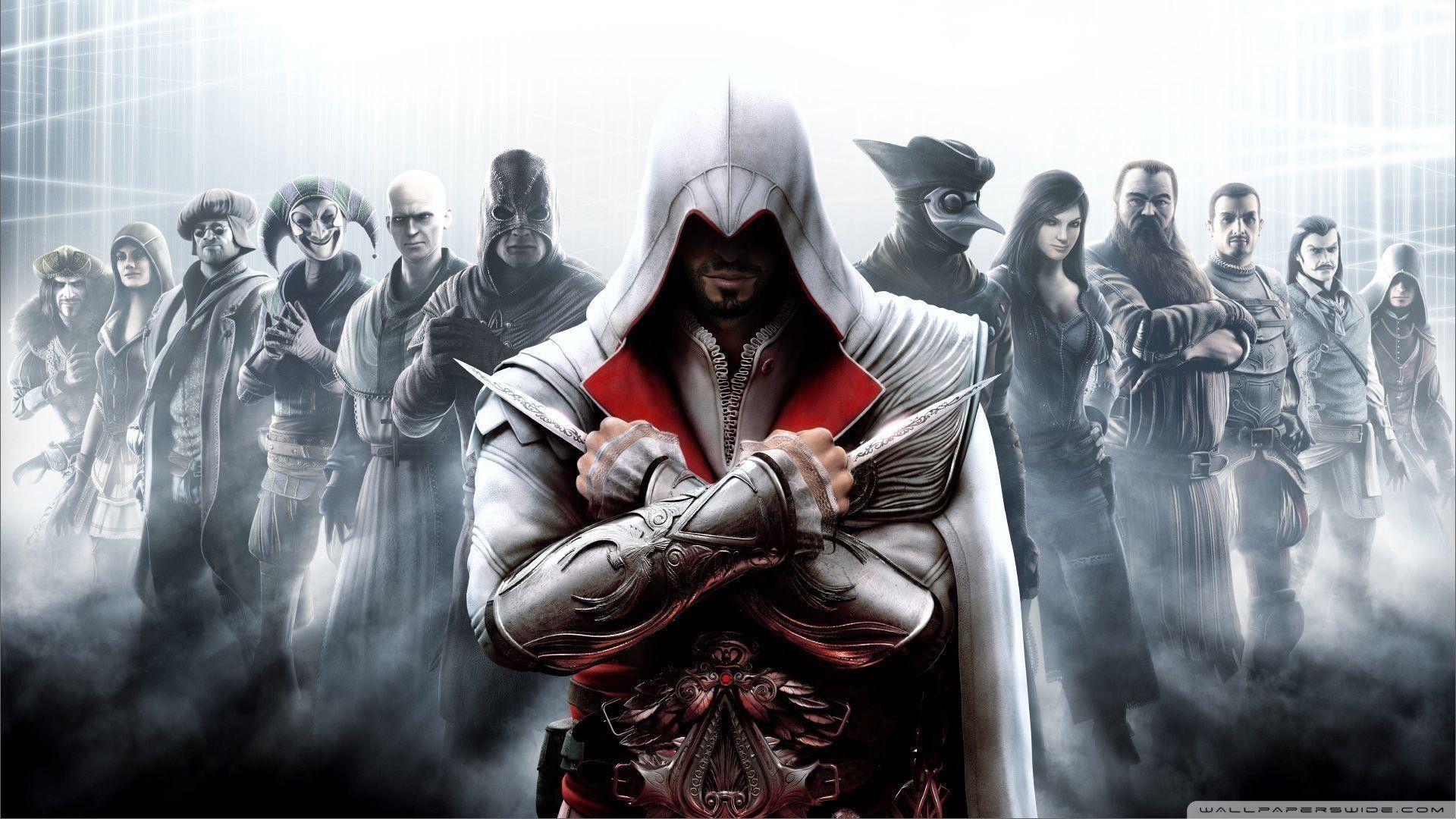
CORE DESIGN IDENTITY
CORE DESIGN IDENTITY
CORE DESIGN IDENTITY
The Ezio trilogy is built around transformation through space, time, and responsibility. What begins as a revenge-driven personal journey slowly becomes a study of how player growth and character growth can progress together through changing cities, systems, and historical pressure.
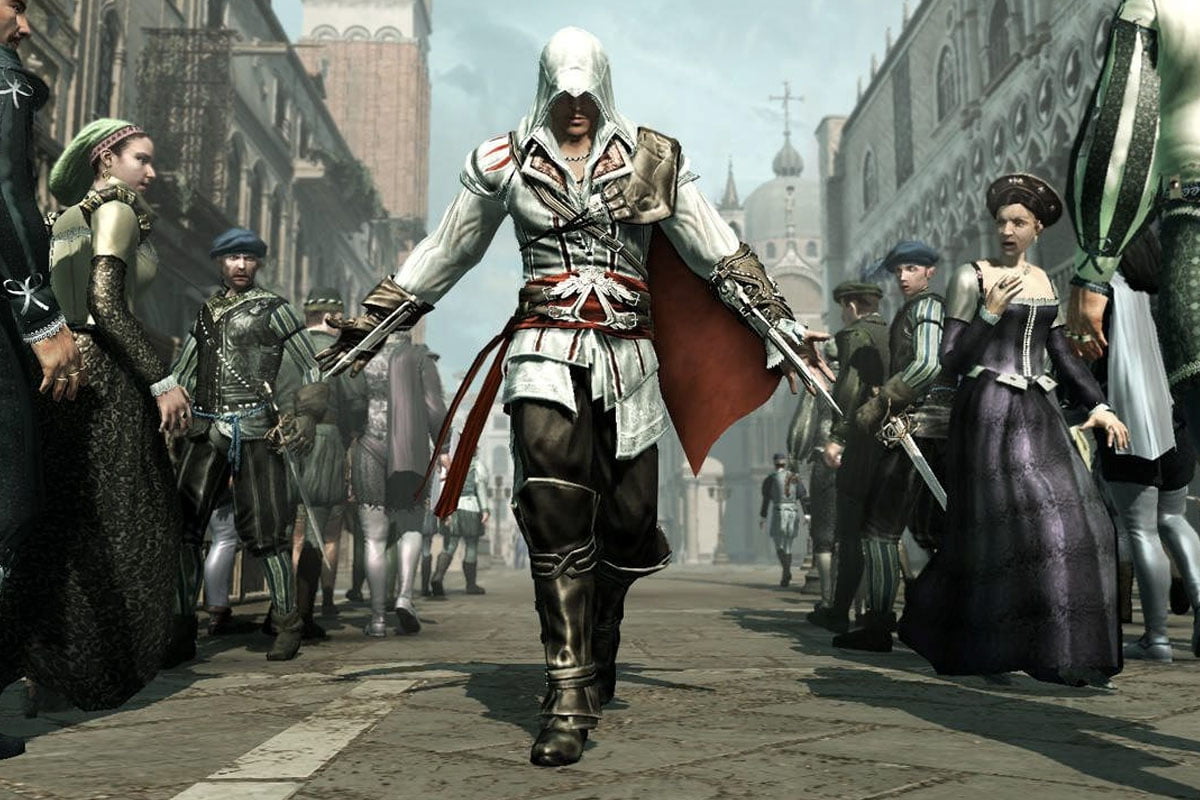
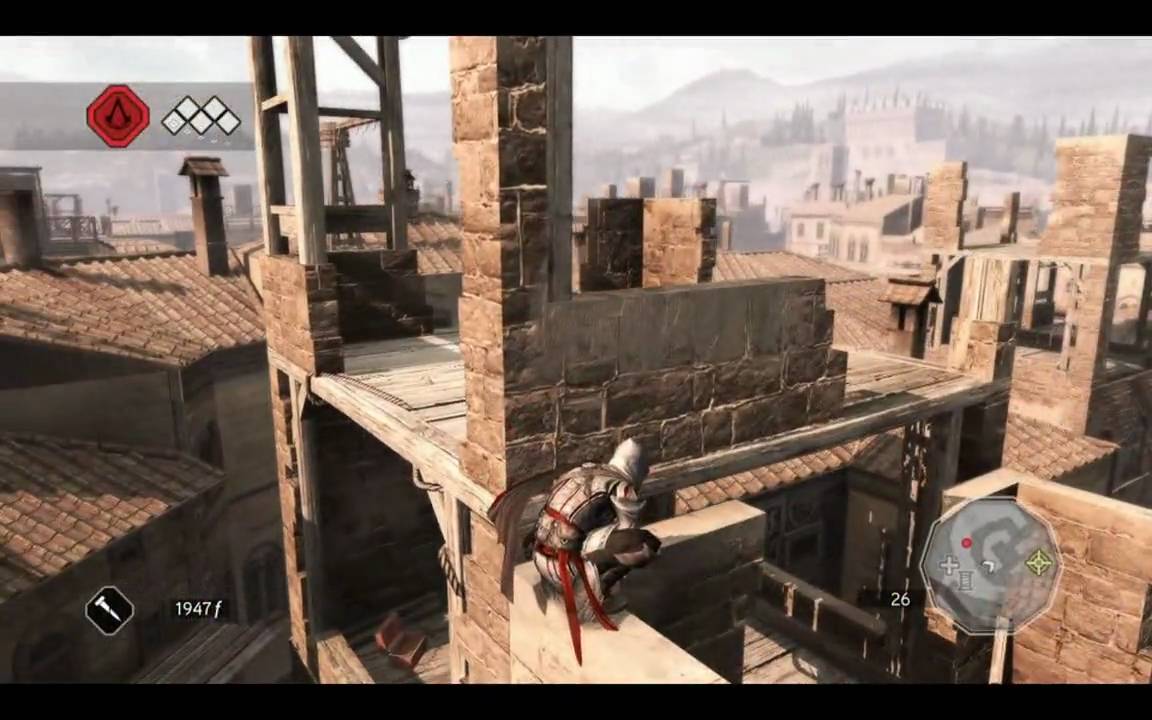
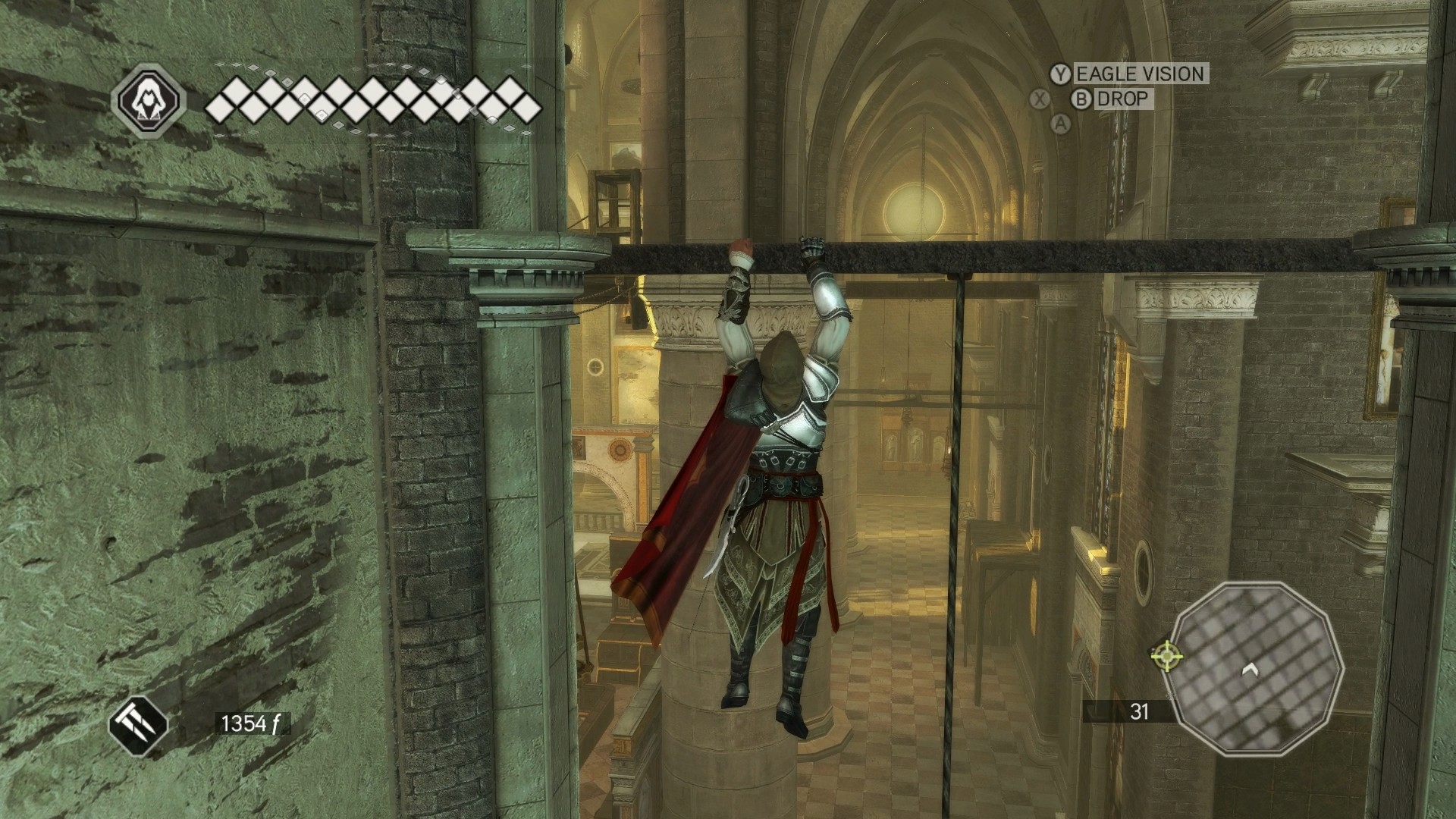
Rather than relying only on combat or mission variety, the trilogy makes movement itself a design identity. Rooftops, towers, narrow streets, hidden routes, and vertical city layers constantly shape how the player reads and uses the world.
Each game expands this differently:
Florence emphasizes readable rooftop flow
Venice introduces interrupted movement through water
Rome opens broader tactical navigation
Constantinople increases density and layered routes
This keeps each city mechanically distinct while preserving the same design philosophy.
The Ezio trilogy is built around transformation through space, time, and responsibility. What begins as a revenge-driven personal journey slowly becomes a study of how player growth and character growth can progress together through changing cities, systems, and historical pressure.
Rather than relying only on combat or mission variety, the trilogy makes movement itself a design identity. Rooftops, towers, narrow streets, hidden routes, and vertical city layers constantly shape how the player reads and uses the world.
Each game expands this differently:
Florence emphasizes readable rooftop flow
Venice introduces interrupted movement through water
Rome opens broader tactical navigation
Constantinople increases density and layered routes
This keeps each city mechanically distinct while preserving the same design philosophy.
The Ezio trilogy is built around transformation through space, time, and responsibility. What begins as a revenge-driven personal journey slowly becomes a study of how player growth and character growth can progress together through changing cities, systems, and historical pressure.
Rather than relying only on combat or mission variety, the trilogy makes movement itself a design identity. Rooftops, towers, narrow streets, hidden routes, and vertical city layers constantly shape how the player reads and uses the world.
Each game expands this differently:
Florence emphasizes readable rooftop flow
Venice introduces interrupted movement through water
Rome opens broader tactical navigation
Constantinople increases density and layered routes
This keeps each city mechanically distinct while preserving the same design philosophy.
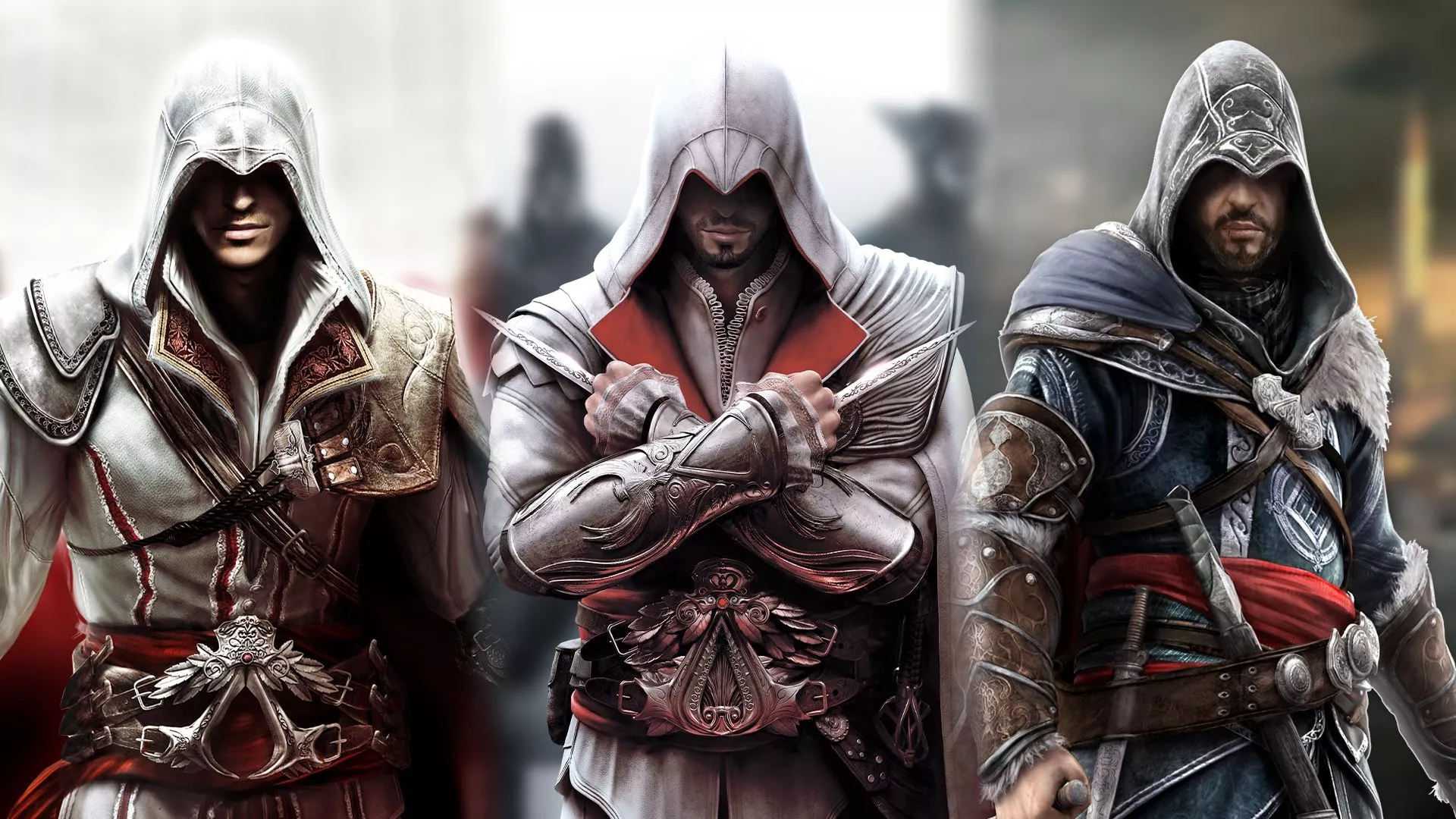
Core Gameplay Loop
Core Gameplay Loop
Core Gameplay Loop
The strongest gameplay loop is built on a repeating rhythm:
observe the environment
identify target or objective
navigate through stealth or social blending
execute objective
escape using movement mastery
This loop remains engaging because traversal is never passive. Moving through the world always asks the player to think about elevation, crowd behavior, line of sight, and route efficiency.
The trilogy also gradually expands player capability instead of giving everything early, which keeps mastery connected to progression.
The strongest gameplay loop is built on a repeating rhythm:
observe the environment
identify target or objective
navigate through stealth or social blending
execute objective
escape using movement mastery
This loop remains engaging because traversal is never passive. Moving through the world always asks the player to think about elevation, crowd behavior, line of sight, and route efficiency.
The trilogy also gradually expands player capability instead of giving everything early, which keeps mastery connected to progression.
The strongest gameplay loop is built on a repeating rhythm:
observe the environment
identify target or objective
navigate through stealth or social blending
execute objective
escape using movement mastery
This loop remains engaging because traversal is never passive. Moving through the world always asks the player to think about elevation, crowd behavior, line of sight, and route efficiency.
The trilogy also gradually expands player capability instead of giving everything early, which keeps mastery connected to progression.
Level / Mission Design Ideology
Level / Mission Design Ideology
Level / Mission Design Ideology
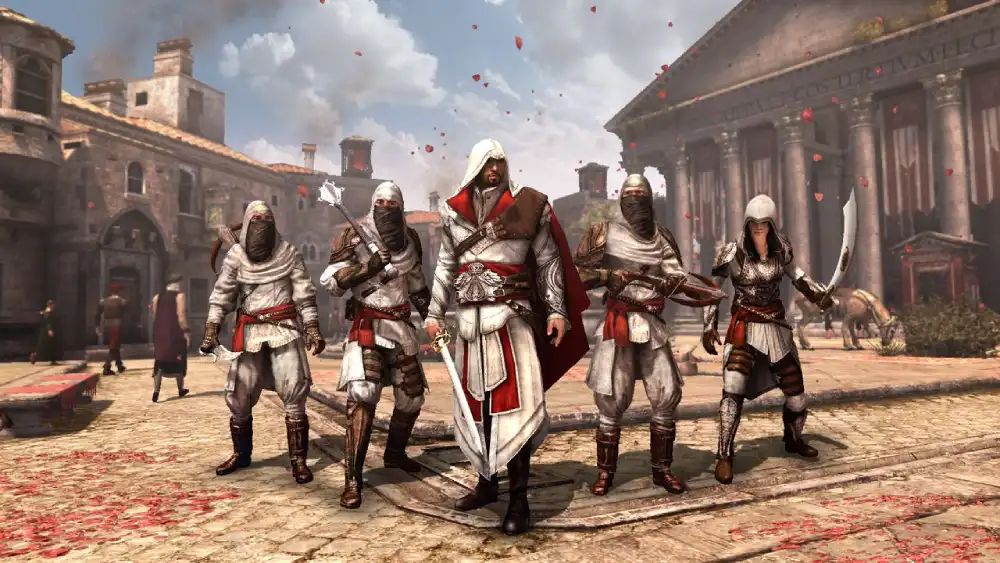
One of the most important design strengths is how missions are built inside believable urban spaces rather than isolated gameplay arenas.
Mission spaces are built inside believable historical environments rather than obvious gameplay arenas.
Many missions allow players to approach through rooftops, crowd cover, hidden entrances, or timing-based stealth.
This creates a feeling that success comes from understanding space rather than following scripted direction.
What also stands out is how assassination setups often use architecture to build anticipation before direct action happens.
Mission spaces often allow multiple approach styles without openly announcing them, which gives players a feeling of personal execution rather than forced design.
One of the most important design strengths is how missions are built inside believable urban spaces rather than isolated gameplay arenas.
Mission spaces are built inside believable historical environments rather than obvious gameplay arenas.
Many missions allow players to approach through rooftops, crowd cover, hidden entrances, or timing-based stealth.
This creates a feeling that success comes from understanding space rather than following scripted direction.
What also stands out is how assassination setups often use architecture to build anticipation before direct action happens.
Mission spaces often allow multiple approach styles without openly announcing them, which gives players a feeling of personal execution rather than forced design.
One of the most important design strengths is how missions are built inside believable urban spaces rather than isolated gameplay arenas.
Mission spaces are built inside believable historical environments rather than obvious gameplay arenas.
Many missions allow players to approach through rooftops, crowd cover, hidden entrances, or timing-based stealth.
This creates a feeling that success comes from understanding space rather than following scripted direction.
What also stands out is how assassination setups often use architecture to build anticipation before direct action happens.
Mission spaces often allow multiple approach styles without openly announcing them, which gives players a feeling of personal execution rather than forced design.
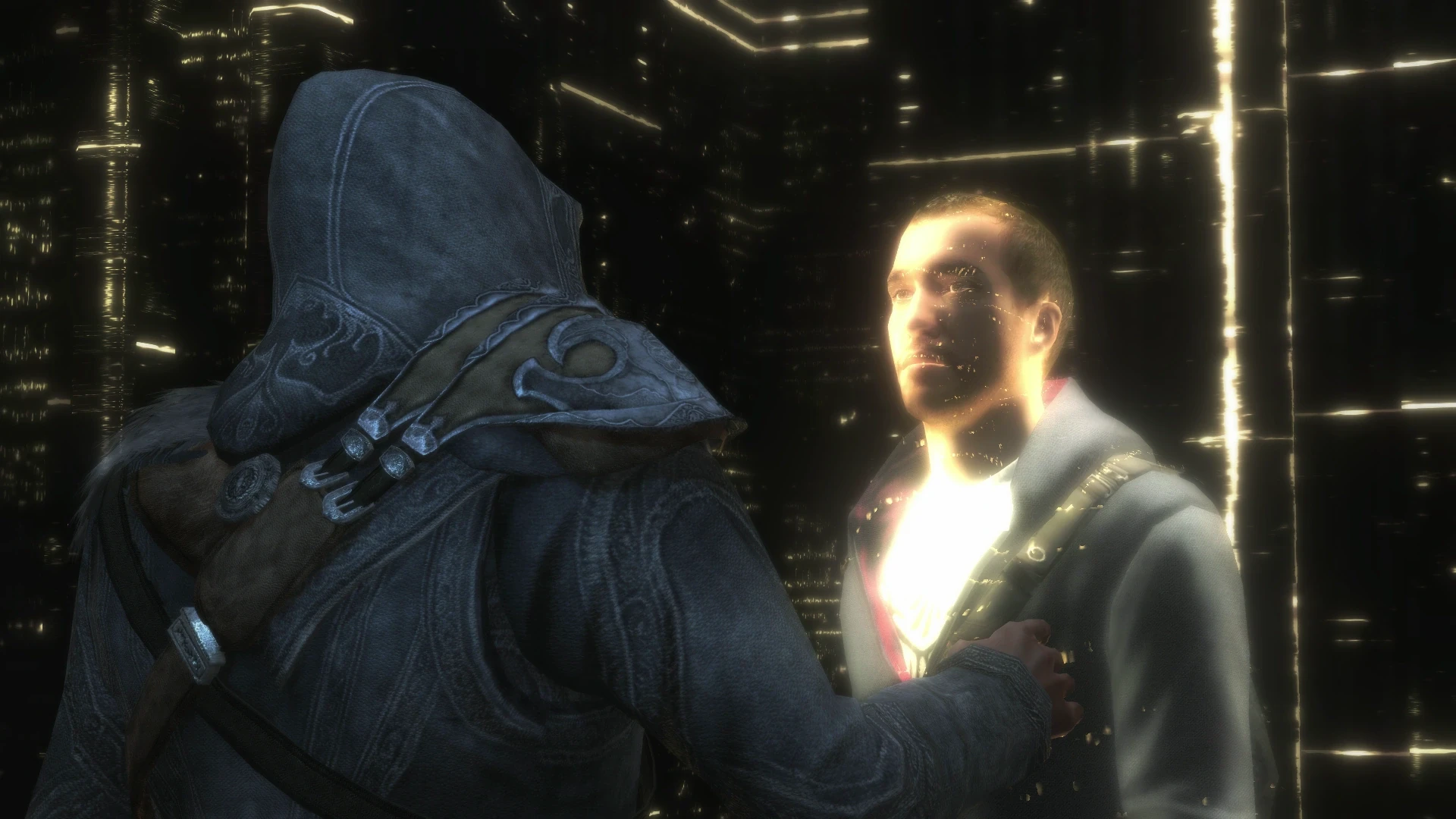
Player Agency
Player Agency
Player Agency
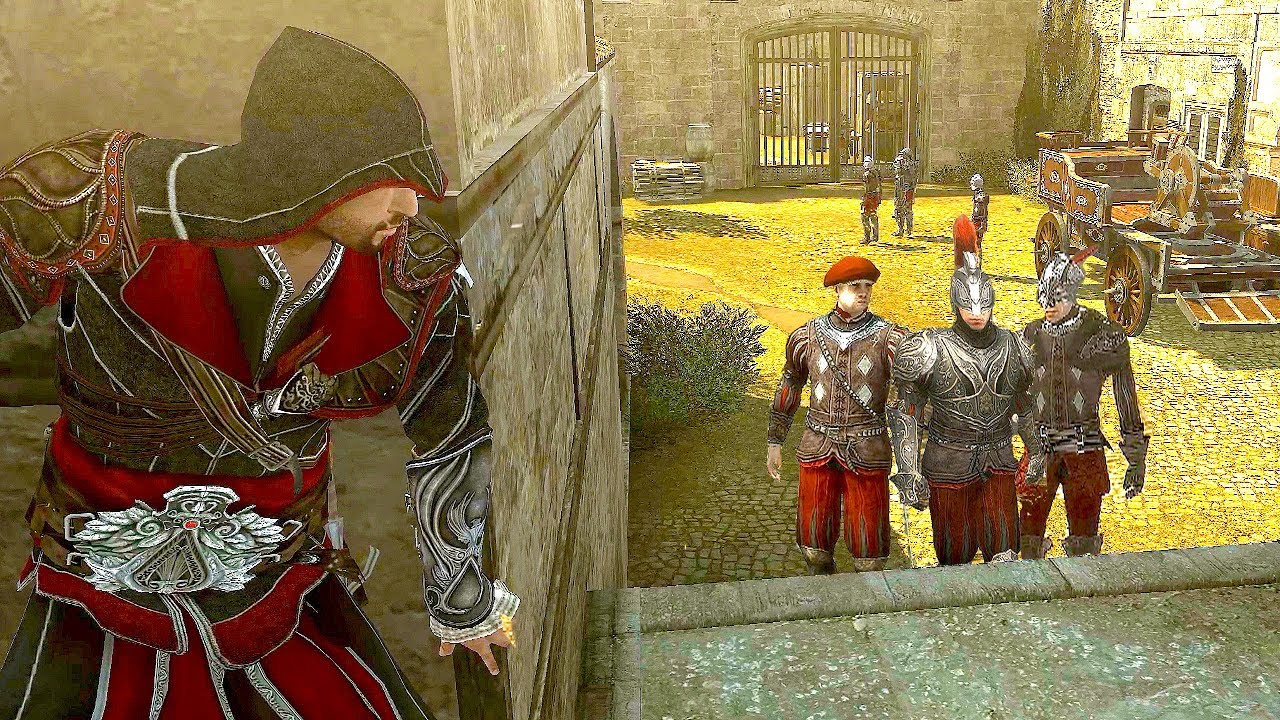
The trilogy gives agency through movement before combat.
The player often succeeds not because enemies are weak, but because city design constantly provides:
alternate entry points
rooftop escapes
crowd cover
environmental rhythm
Even when mission objectives are fixed, the route, pacing, and engagement style still belong to the player.
This is why many missions remain memorable even years later.
The trilogy gives agency through movement before combat.
The player often succeeds not because enemies are weak, but because city design constantly provides:
alternate entry points
rooftop escapes
crowd cover
environmental rhythm
Even when mission objectives are fixed, the route, pacing, and engagement style still belong to the player.
This is why many missions remain memorable even years later.
The trilogy gives agency through movement before combat.
The player often succeeds not because enemies are weak, but because city design constantly provides:
alternate entry points
rooftop escapes
crowd cover
environmental rhythm
Even when mission objectives are fixed, the route, pacing, and engagement style still belong to the player.
This is why many missions remain memorable even years later.
Narrative Delivery
Narrative Delivery
Narrative Delivery
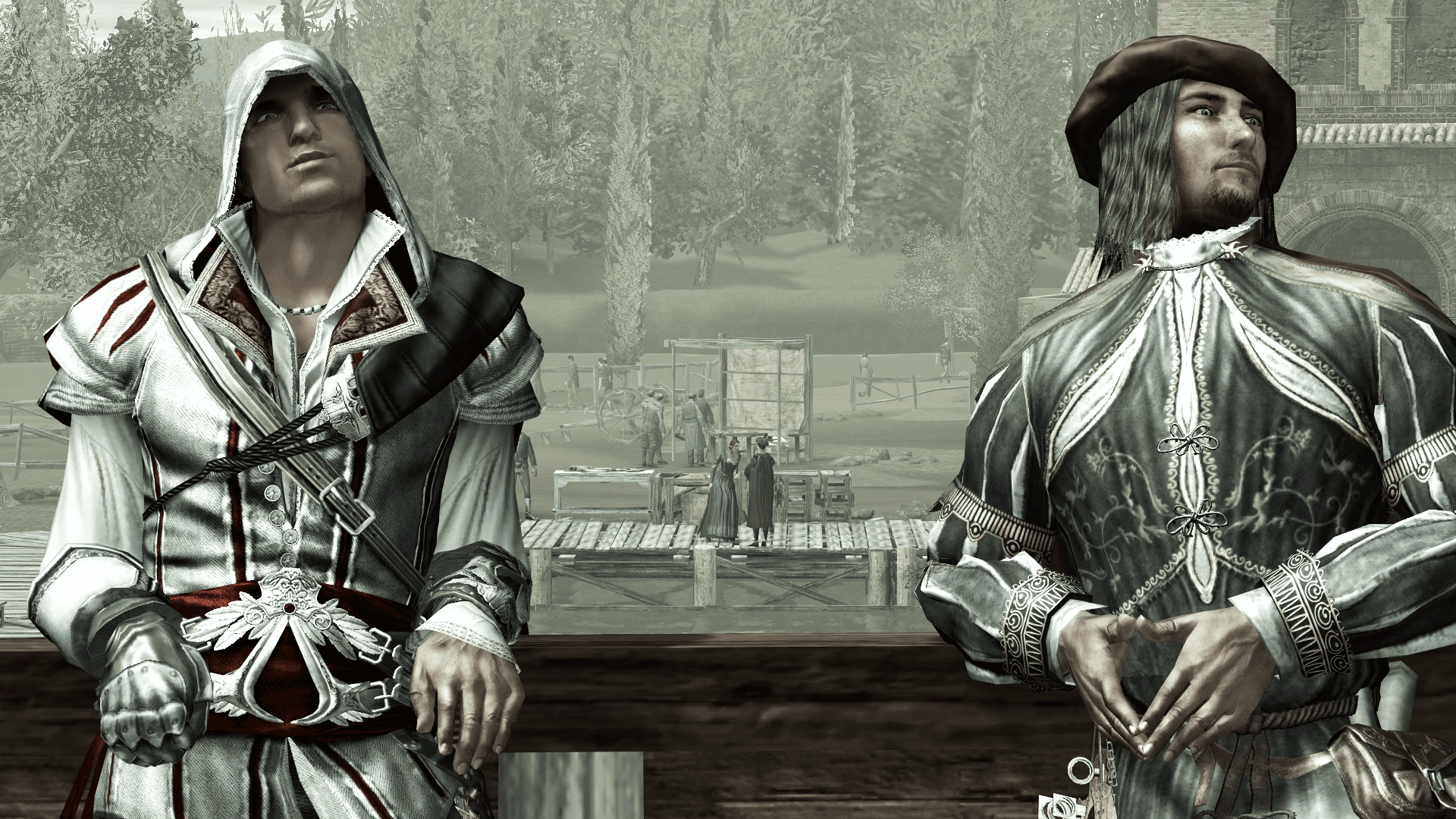
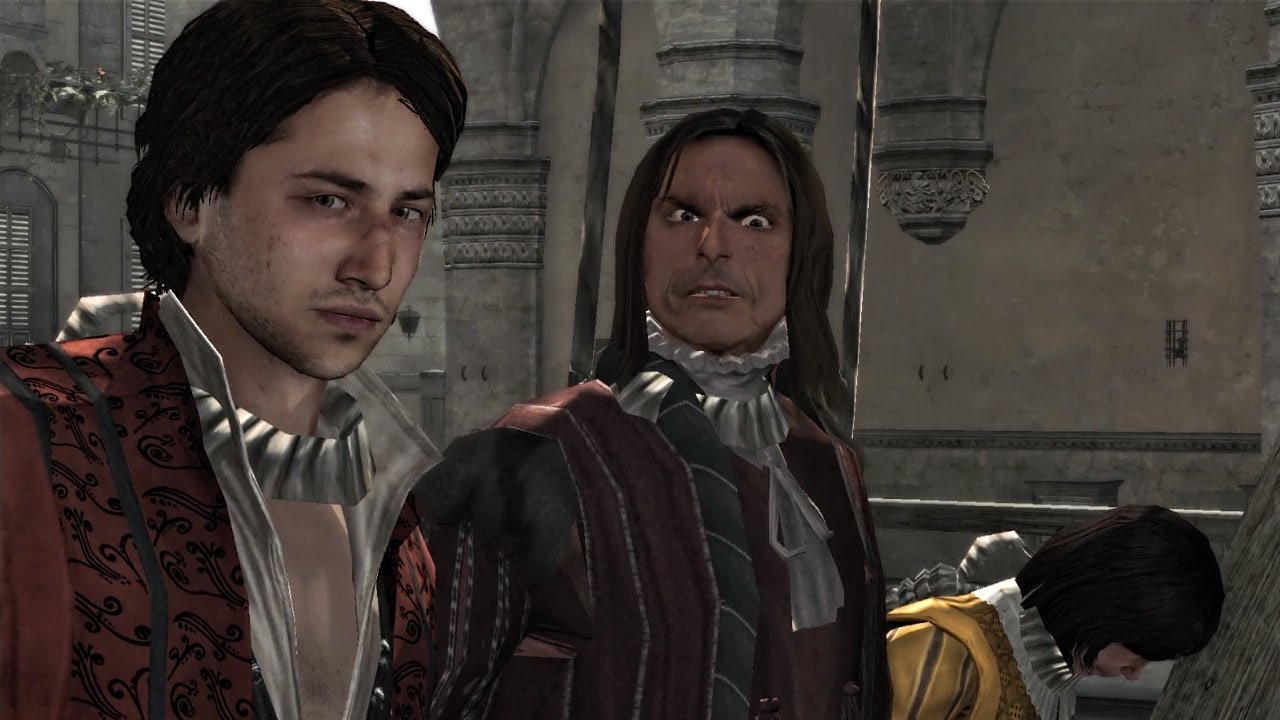
Ezio’s story works because narrative progression is tied to lived gameplay progression.
The player does not simply watch Ezio mature — they physically experience his growth through:
changing cities
changing political stakes
new tools
broader responsibilities
Family loss, revenge, leadership, and legacy all feel connected because gameplay systems evolve alongside narrative weight.
This creates strong emotional continuity across three games.
Ezio’s story works because narrative progression is tied to lived gameplay progression.
The player does not simply watch Ezio mature — they physically experience his growth through:
changing cities
changing political stakes
new tools
broader responsibilities
Family loss, revenge, leadership, and legacy all feel connected because gameplay systems evolve alongside narrative weight.
This creates strong emotional continuity across three games.
Ezio’s story works because narrative progression is tied to lived gameplay progression.
The player does not simply watch Ezio mature — they physically experience his growth through:
changing cities
changing political stakes
new tools
broader responsibilities
Family loss, revenge, leadership, and legacy all feel connected because gameplay systems evolve alongside narrative weight.
This creates strong emotional continuity across three games.
Design Strengths & Limitations
Design Strengths & Limitations
Design Strengths & Limitations
The trilogy communicates its systems clearly through environment design:
towers suggest exploration goals
guards define danger zones
crowds provide stealth safety
rooftops create freedom
The strongest part is how naturally players learn these rules through repeated interaction.
One limitation appears in later progression, where combat becomes easier once player upgrades become dominant. Counter systems and stronger weapons reduce pressure, making stealth less necessary in situations where earlier tension felt stronger.
Some missions also become restrictive when fail conditions remove experimentation too quickly after detection.
The trilogy communicates its systems clearly through environment design:
towers suggest exploration goals
guards define danger zones
crowds provide stealth safety
rooftops create freedom
The strongest part is how naturally players learn these rules through repeated interaction.
One limitation appears in later progression, where combat becomes easier once player upgrades become dominant. Counter systems and stronger weapons reduce pressure, making stealth less necessary in situations where earlier tension felt stronger.
Some missions also become restrictive when fail conditions remove experimentation too quickly after detection.
The trilogy communicates its systems clearly through environment design:
towers suggest exploration goals
guards define danger zones
crowds provide stealth safety
rooftops create freedom
The strongest part is how naturally players learn these rules through repeated interaction.
One limitation appears in later progression, where combat becomes easier once player upgrades become dominant. Counter systems and stronger weapons reduce pressure, making stealth less necessary in situations where earlier tension felt stronger.
Some missions also become restrictive when fail conditions remove experimentation too quickly after detection.
What Works Exceptionally Well
What Works Exceptionally Well
What Works Exceptionally Well
The trilogy understands that historical cities are not background art — they are gameplay systems.
Architecture teaches:
movement
stealth
pacing
escape
This makes the world itself part of player decision-making rather than decorative scenery.
That is one of the reasons the trilogy still feels influential.
The trilogy understands that historical cities are not background art — they are gameplay systems.
Architecture teaches:
movement
stealth
pacing
escape
This makes the world itself part of player decision-making rather than decorative scenery.
That is one of the reasons the trilogy still feels influential.
The trilogy understands that historical cities are not background art — they are gameplay systems.
Architecture teaches:
movement
stealth
pacing
escape
This makes the world itself part of player decision-making rather than decorative scenery.
That is one of the reasons the trilogy still feels influential.
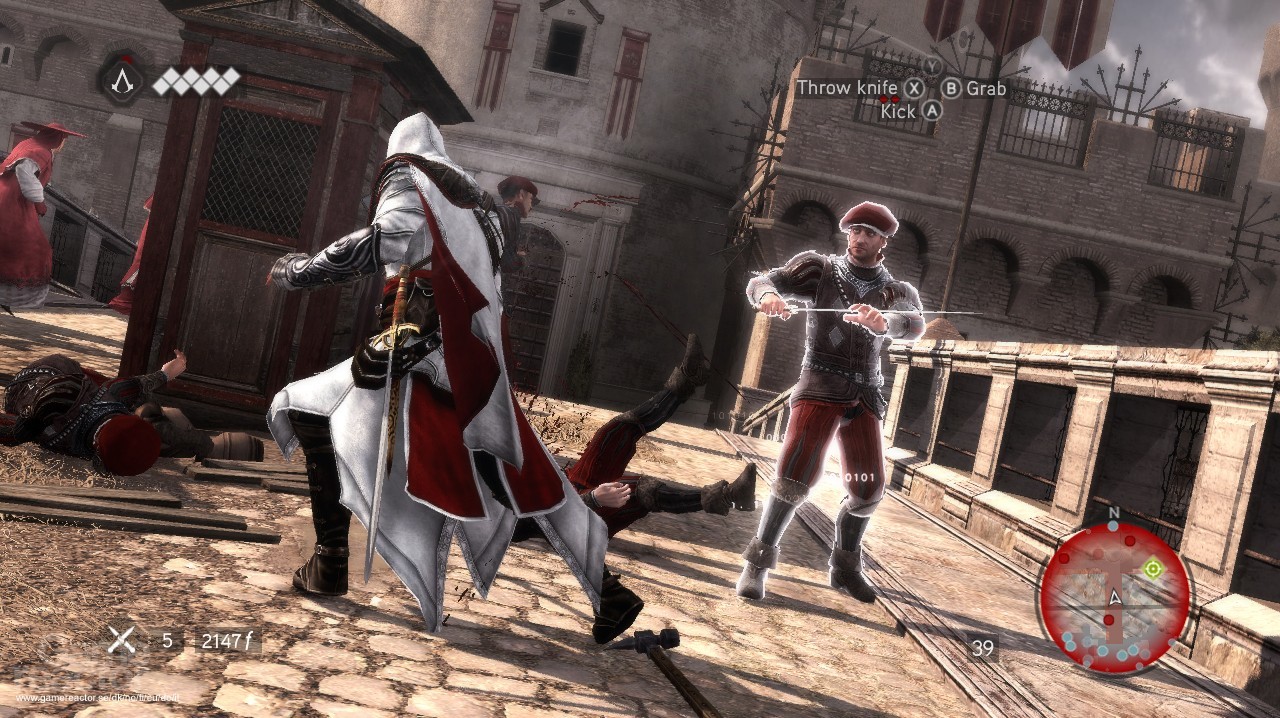
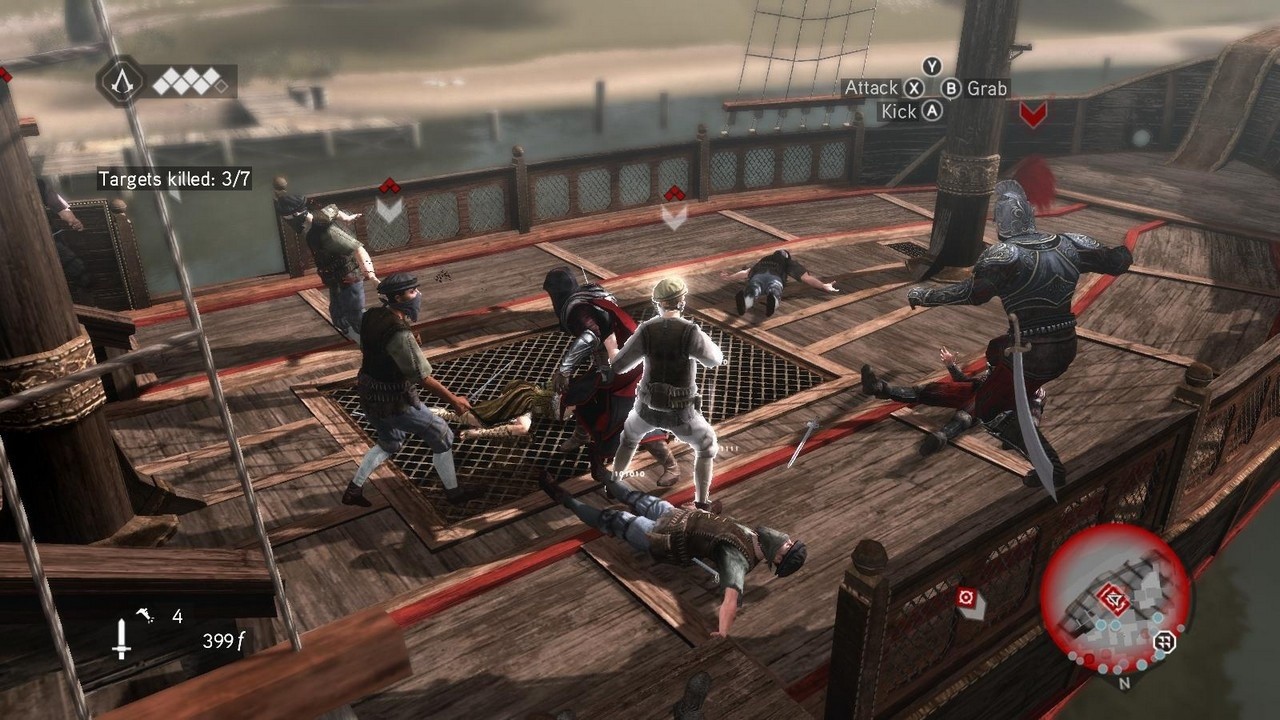
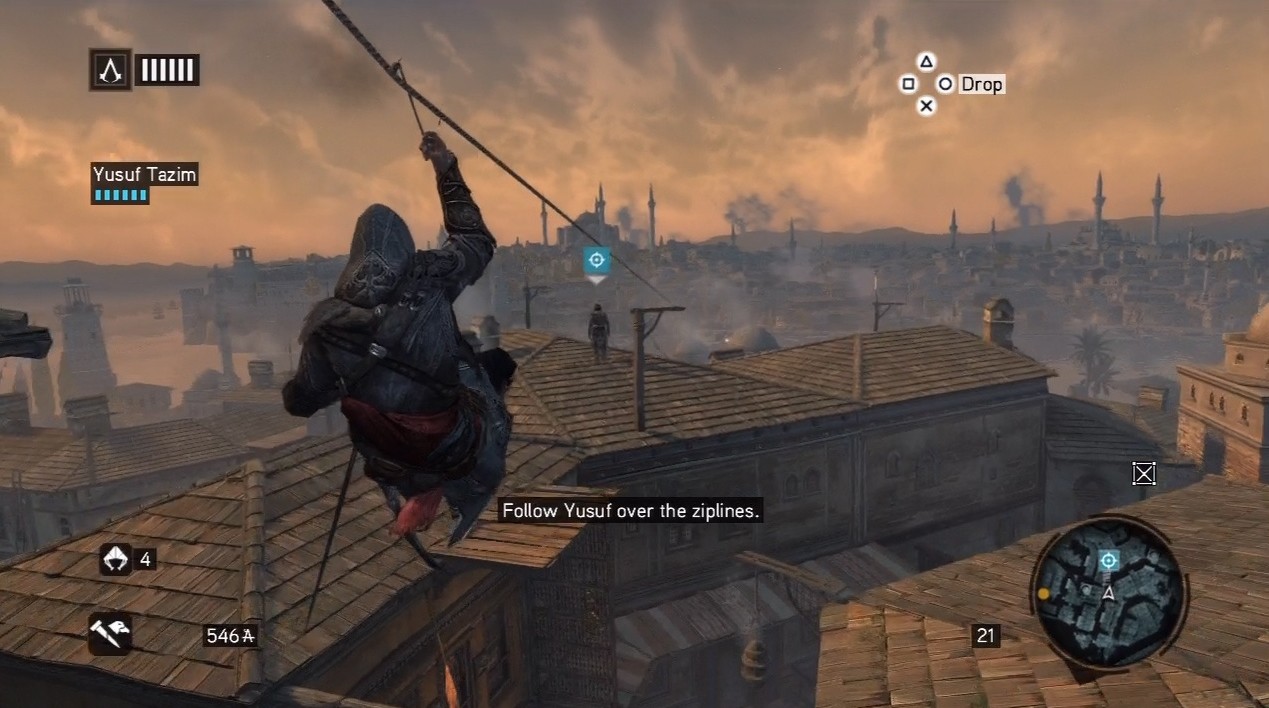
IN GAME SCREENSHOTS
IN GAME SCREENSHOTS
IN GAME SCREENSHOTS
What I Learned as a Designer
What I Learned as a Designer
What I Learned as a Designer
The trilogy shows how strong level design can carry both gameplay and emotion at the same time.
A city becomes memorable when movement itself teaches the player how to think, where to go, and how to survive.
What stays most relevant is how architecture supports player choice without constantly explaining itself — a lesson that remains valuable in stealth and action level design today.
The trilogy shows how strong level design can carry both gameplay and emotion at the same time.
A city becomes memorable when movement itself teaches the player how to think, where to go, and how to survive.
What stays most relevant is how architecture supports player choice without constantly explaining itself — a lesson that remains valuable in stealth and action level design today.
The trilogy shows how strong level design can carry both gameplay and emotion at the same time.
A city becomes memorable when movement itself teaches the player how to think, where to go, and how to survive.
What stays most relevant is how architecture supports player choice without constantly explaining itself — a lesson that remains valuable in stealth and action level design today.
WHAT IF ? WHAT IF ?
WHAT IF ? WHAT IF ?
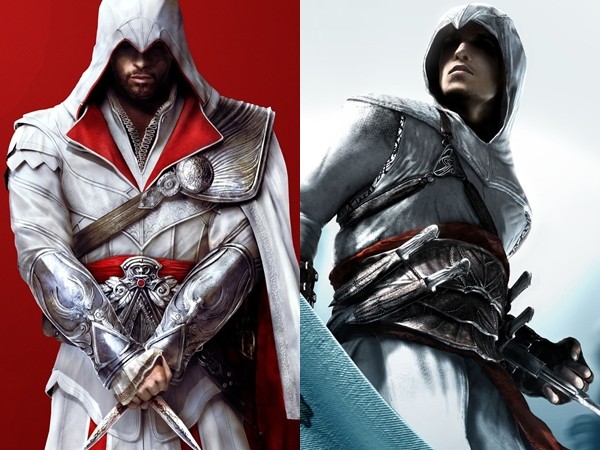
Fractured Bloodlines - Ezio vs Altair
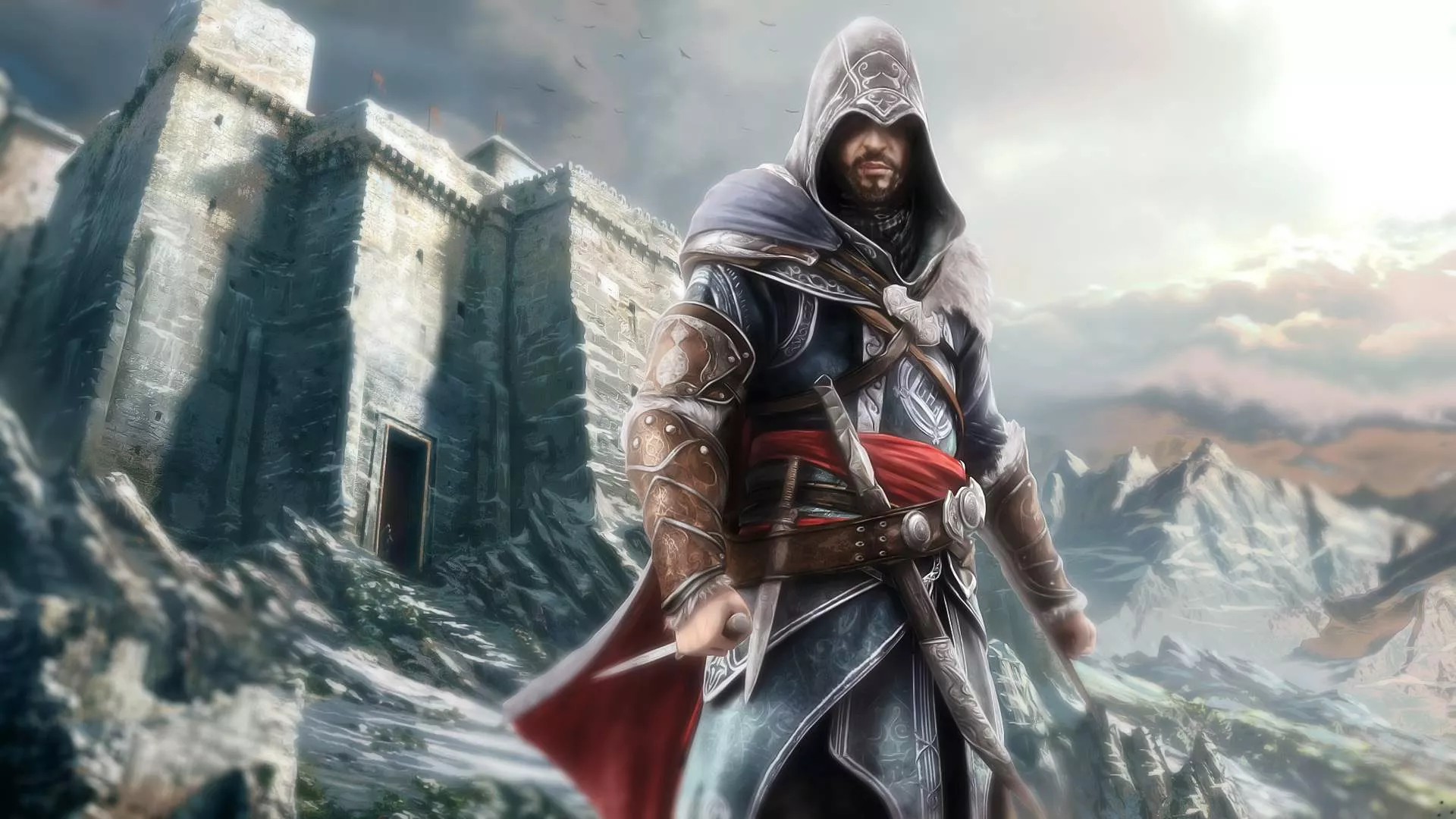
Echoes of the Future

What If Ezio Auditore was a Villain?
Fractured Bloodlines - Ezio vs Altair
Echoes of the Future
What If Ezio Auditore was a Villain?
More Blogs More Blogs


Let'S WORK
TOGETHER
BASED IN INDIA

GAME DESIGNER
Let'S WORK
TOGETHER
BASED IN INDIA
GAME DESIGNER
Let'S WORK
TOGETHER
Let'S WORK
TOGETHER
BASED IN INDIA
GAME DESIGNER