Blair Witch
Blair Witch
Blair Witch
Introduction
Blair Witch is a psychological horror title developed by Bloober Team that expands the cinematic mythos of the Blair Witch universe by placing the player inside a first-person forest investigation driven by trauma, memory distortion, and mental collapse.
At first glance, the game appears to follow walking-simulator structure, but underneath that simplicity it introduces several mechanics that actively shape player perception: flashlight-based defensive combat, environmental video manipulation, companion dependency, and narrative decisions linked to psychological behavior.
What makes Blair Witch particularly important from a design perspective is that almost every mechanic serves Ellis’s unstable mental condition rather than existing as separate gameplay systems.
Game Designer:
Piotr Babieno
Paweł Niezabitowski
Introduction
Blair Witch is a psychological horror title developed by Bloober Team that expands the cinematic mythos of the Blair Witch universe by placing the player inside a first-person forest investigation driven by trauma, memory distortion, and mental collapse.
At first glance, the game appears to follow walking-simulator structure, but underneath that simplicity it introduces several mechanics that actively shape player perception: flashlight-based defensive combat, environmental video manipulation, companion dependency, and narrative decisions linked to psychological behavior.
What makes Blair Witch particularly important from a design perspective is that almost every mechanic serves Ellis’s unstable mental condition rather than existing as separate gameplay systems.
Game Designer:
Piotr Babieno
Paweł Niezabitowski
Introduction
Blair Witch is a psychological horror title developed by Bloober Team that expands the cinematic mythos of the Blair Witch universe by placing the player inside a first-person forest investigation driven by trauma, memory distortion, and mental collapse.
At first glance, the game appears to follow walking-simulator structure, but underneath that simplicity it introduces several mechanics that actively shape player perception: flashlight-based defensive combat, environmental video manipulation, companion dependency, and narrative decisions linked to psychological behavior.
What makes Blair Witch particularly important from a design perspective is that almost every mechanic serves Ellis’s unstable mental condition rather than existing as separate gameplay systems.
Game Designer:
Piotr Babieno
Paweł Niezabitowski
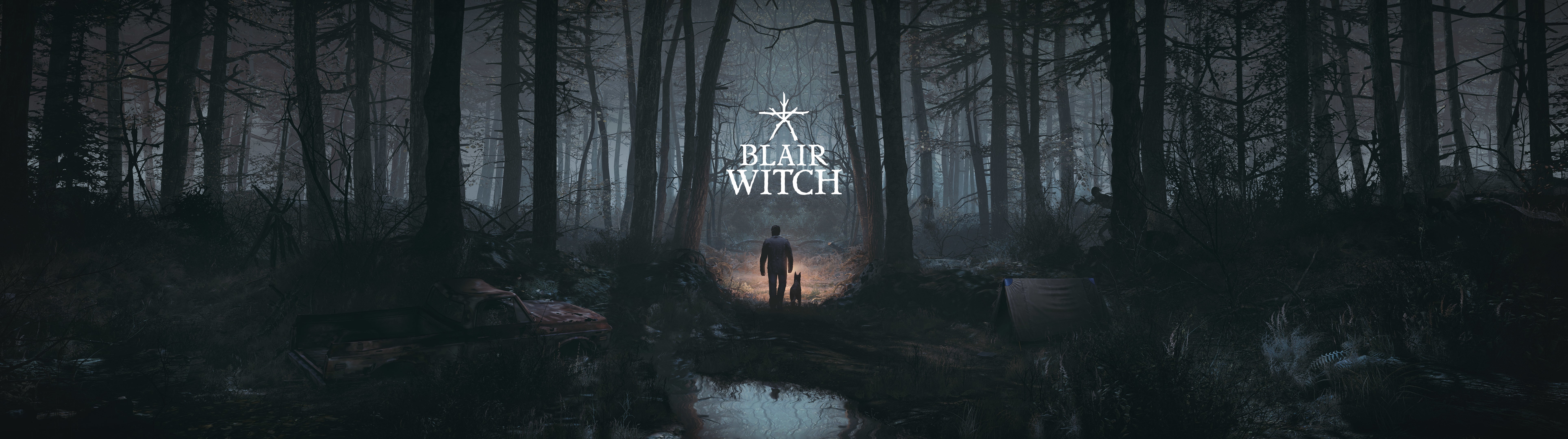
Core Design Identity
Core Design Identity
Core Design Identity
The strongest identity of Blair Witch is controlled psychological instability.
The forest is designed not as open exploration, but as an emotional trap where orientation slowly loses trust.
Key design pillars:
paths repeat with altered meaning.
landmarks stop behaving reliably.
darkness changes distance judgment.
sound becomes more important than visibility.
What is clever is that the game rarely relies on traditional jump-scare structure alone. Instead, it uses delayed environmental confusion.
The player often feels:
“I was here before — but something is wrong now.”
That small doubt becomes the game’s strongest horror language.
The player is not fighting the forest physically — the player is constantly questioning whether the forest is changing or whether perception itself is failing.
That uncertainty becomes the game’s main design language.
The strongest identity of Blair Witch is controlled psychological instability.
The forest is designed not as open exploration, but as an emotional trap where orientation slowly loses trust.
Key design pillars:
paths repeat with altered meaning.
landmarks stop behaving reliably.
darkness changes distance judgment.
sound becomes more important than visibility.
What is clever is that the game rarely relies on traditional jump-scare structure alone. Instead, it uses delayed environmental confusion.
The player often feels:
“I was here before — but something is wrong now.”
That small doubt becomes the game’s strongest horror language.
The player is not fighting the forest physically — the player is constantly questioning whether the forest is changing or whether perception itself is failing.
That uncertainty becomes the game’s main design language.
The strongest identity of Blair Witch is controlled psychological instability.
The forest is designed not as open exploration, but as an emotional trap where orientation slowly loses trust.
Key design pillars:
paths repeat with altered meaning.
landmarks stop behaving reliably.
darkness changes distance judgment.
sound becomes more important than visibility.
What is clever is that the game rarely relies on traditional jump-scare structure alone. Instead, it uses delayed environmental confusion.
The player often feels:
“I was here before — but something is wrong now.”
That small doubt becomes the game’s strongest horror language.
The player is not fighting the forest physically — the player is constantly questioning whether the forest is changing or whether perception itself is failing.
That uncertainty becomes the game’s main design language.
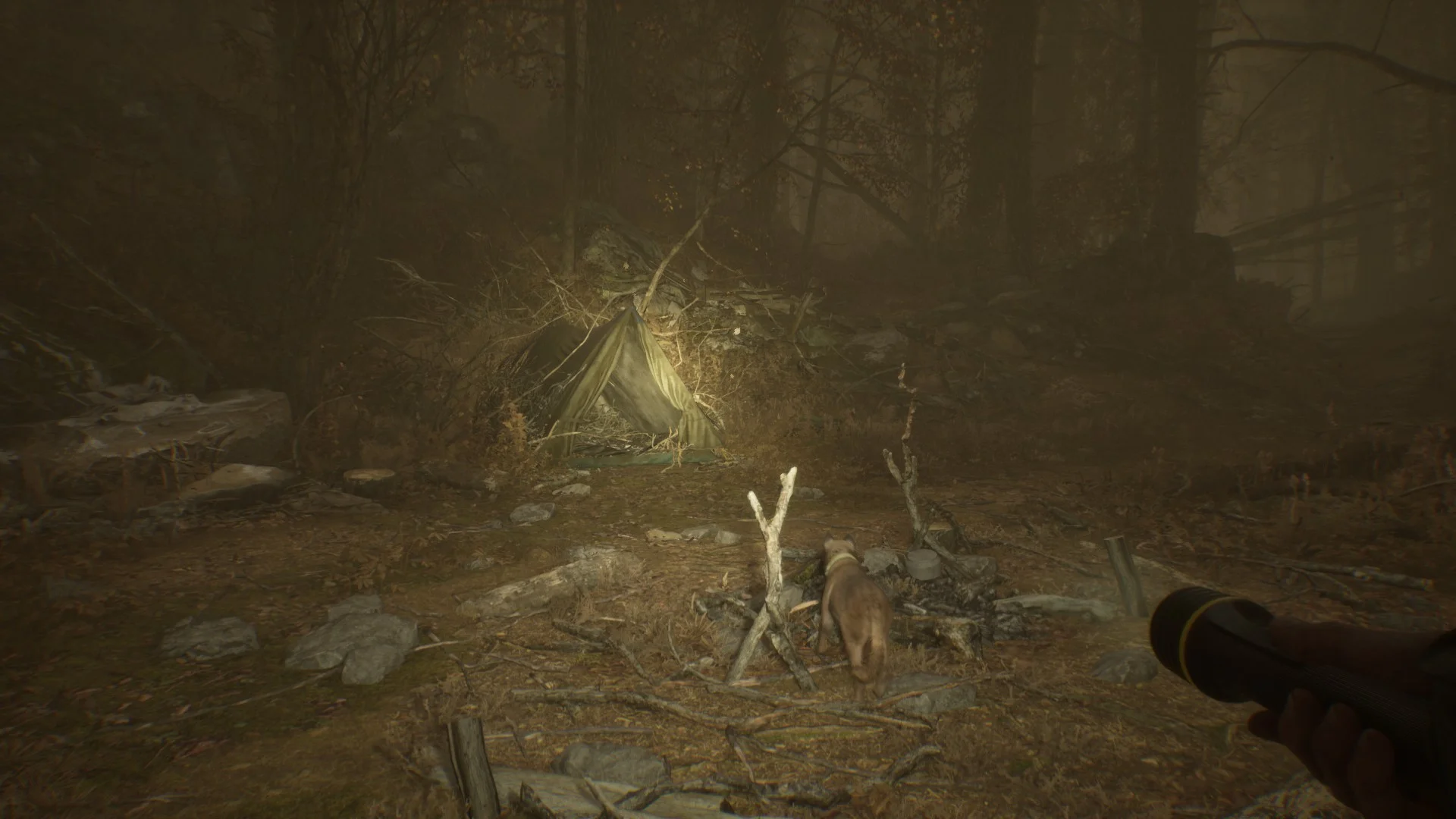
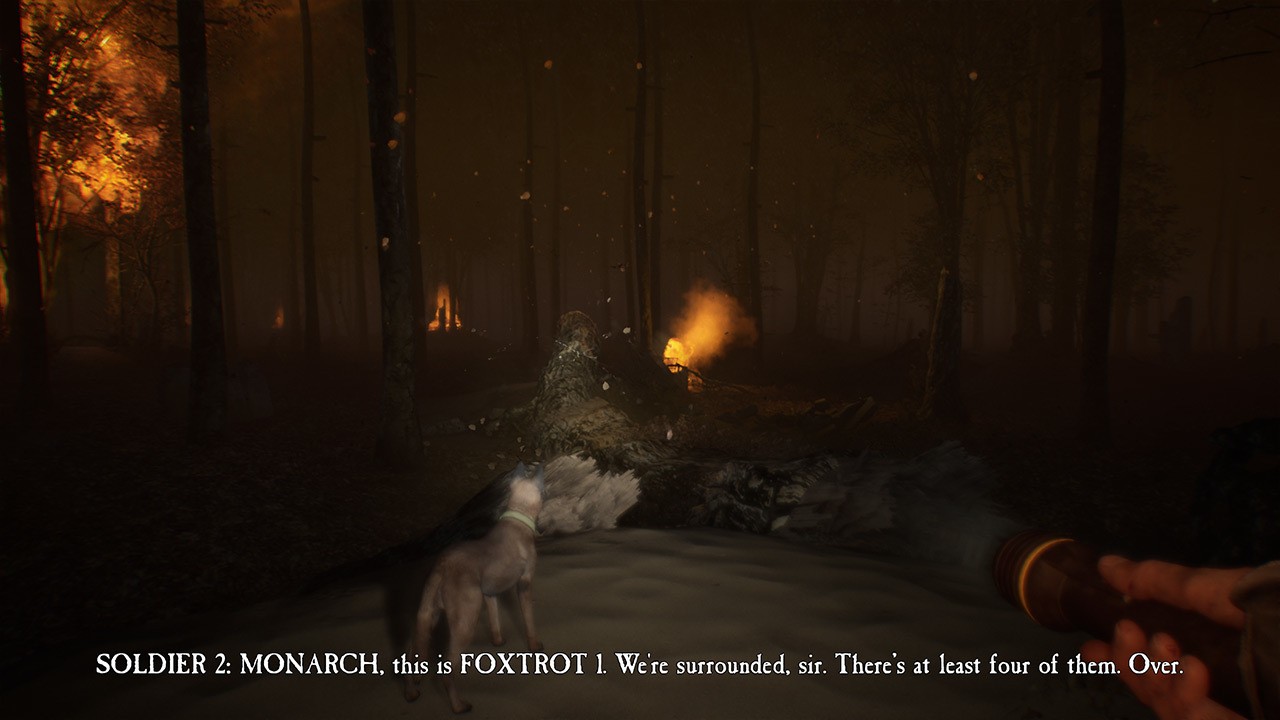
Core Gameplay Loop
Core Gameplay Loop
Core Gameplay Loop
The gameplay loop is deceptively minimal but layered through psychological systems.
Main loop structure:
investigate the forest
use Bullet to locate clues
collect tapes, notes, recordings, and objects
solve environmental progression obstacles
survive distortion phases
The important part is that each tool has narrative meaning:
flashlight = temporary defense
camcorder = reality manipulation
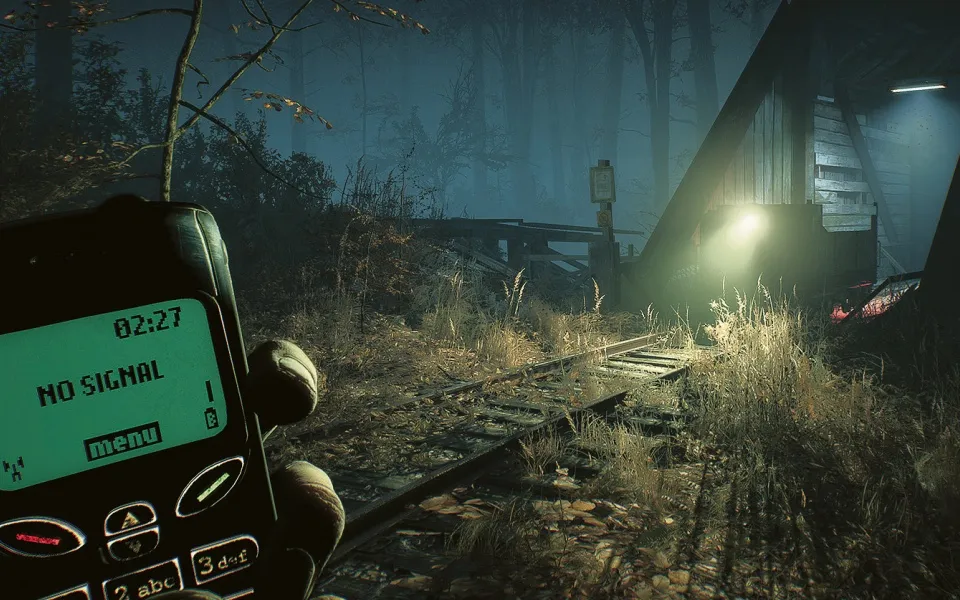
phone = emotional memory trigger
radio = narrative interruption
Bullet = emotional anchor
This means inventory is not just functional — it represents Ellis’s fractured connection to control.
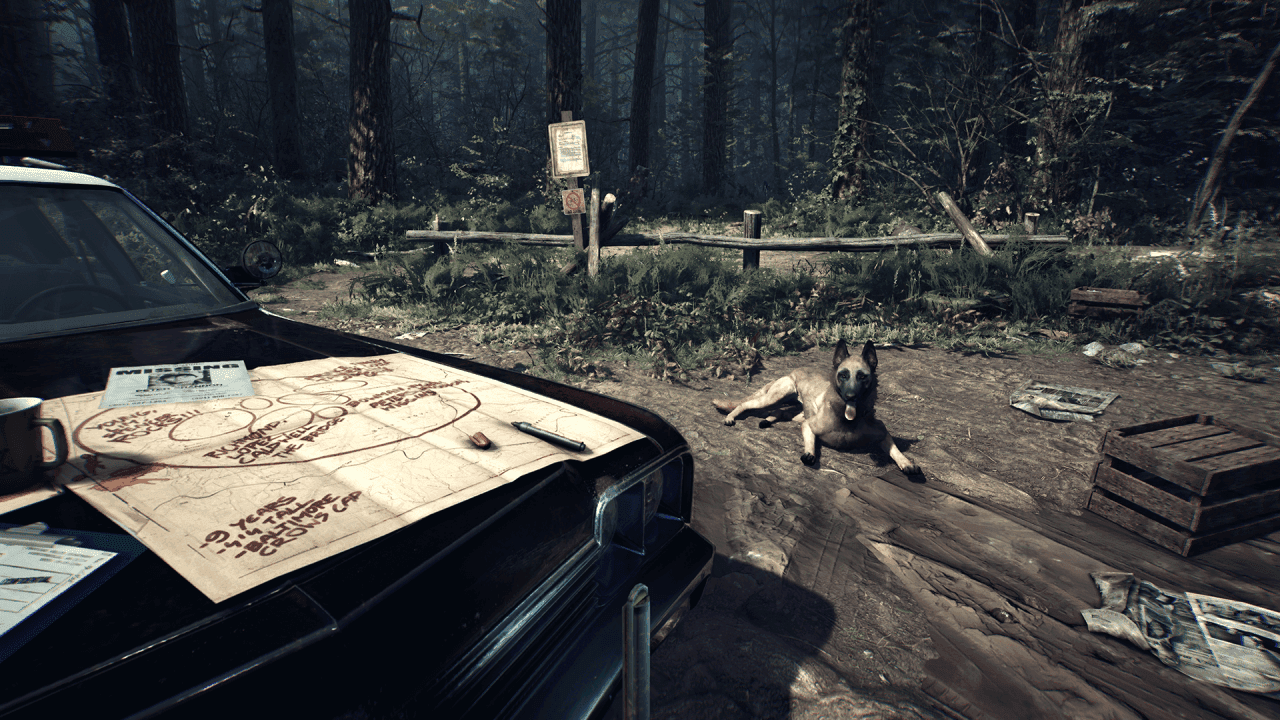
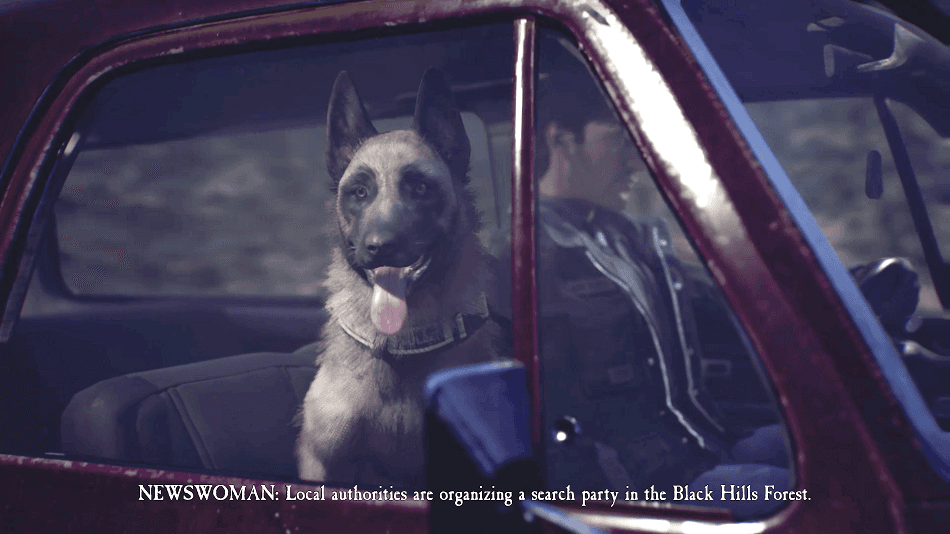
The dog companion, Bullet, is a major loop stabilizer because he gives the player a small sense of trust inside an otherwise unstable space.
This creates an effective contrast:
the world becomes unreliable.
one companion remains dependable.
That balance helps pacing.
The gameplay loop is deceptively minimal but layered through psychological systems.
Main loop structure:
investigate the forest
use Bullet to locate clues
collect tapes, notes, recordings, and objects
solve environmental progression obstacles
survive distortion phases
The important part is that each tool has narrative meaning:
flashlight = temporary defense
camcorder = reality manipulation
phone = emotional memory trigger
radio = narrative interruption
Bullet = emotional anchor
This means inventory is not just functional — it represents Ellis’s fractured connection to control.
The dog companion, Bullet, is a major loop stabilizer because he gives the player a small sense of trust inside an otherwise unstable space.
This creates an effective contrast:
the world becomes unreliable.
one companion remains dependable.
That balance helps pacing.
The gameplay loop is deceptively minimal but layered through psychological systems.
Main loop structure:
investigate the forest
use Bullet to locate clues
collect tapes, notes, recordings, and objects
solve environmental progression obstacles
survive distortion phases
The important part is that each tool has narrative meaning:
flashlight = temporary defense
camcorder = reality manipulation
phone = emotional memory trigger
radio = narrative interruption
Bullet = emotional anchor
This means inventory is not just functional — it represents Ellis’s fractured connection to control.
The dog companion, Bullet, is a major loop stabilizer because he gives the player a small sense of trust inside an otherwise unstable space.
This creates an effective contrast:
the world becomes unreliable.
one companion remains dependable.
That balance helps pacing.
Level / Mission Design Ideology
Level / Mission Design Ideology
Level / Mission Design Ideology
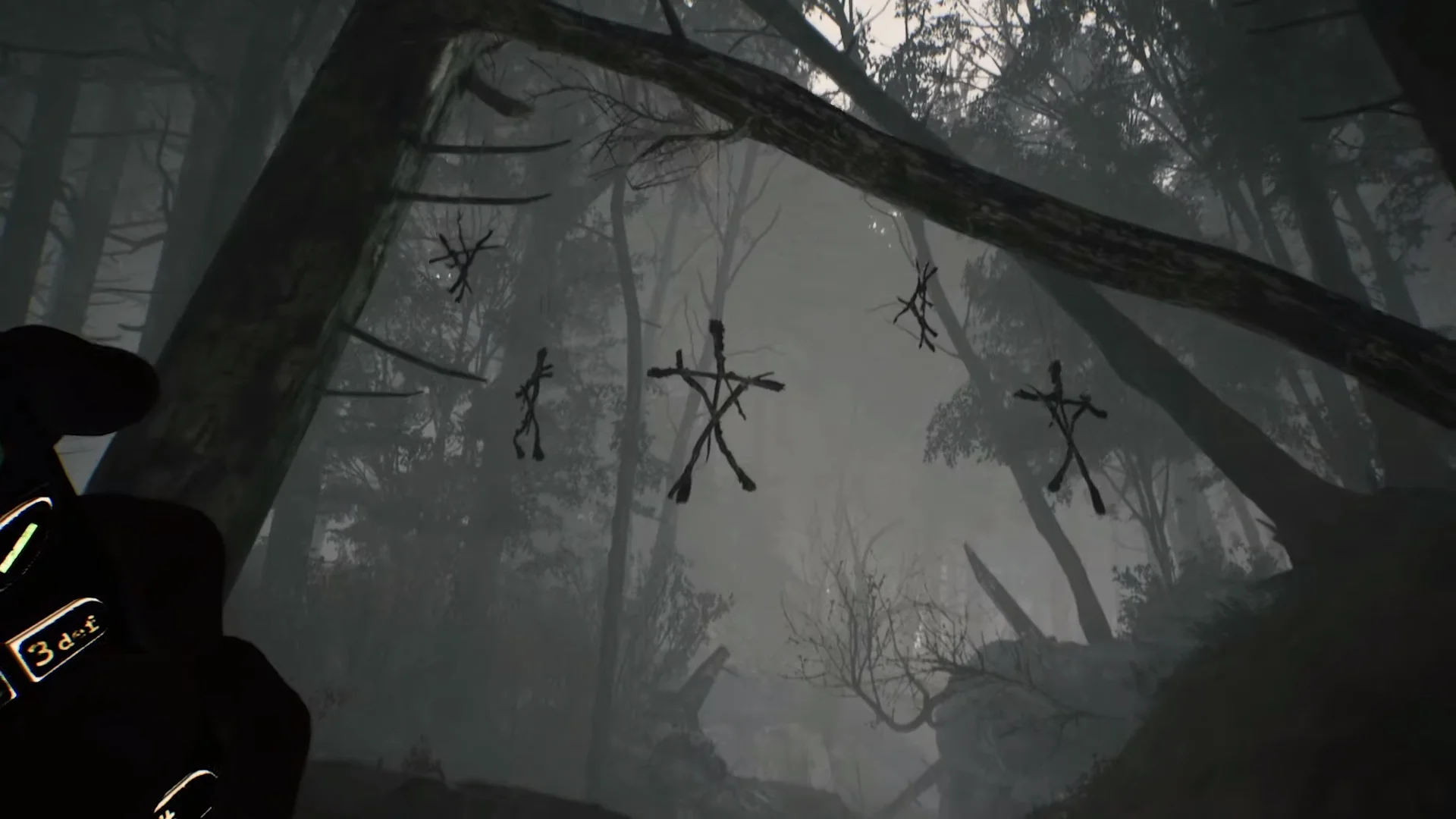
The forest is built as controlled nonlinear pressure rather than true open navigation.
Important design traits:
narrow routes hidden inside larger forest illusion
looping paths used intentionally for psychological fatigue
repeated campsites become memory anchors
abandoned structures break pacing with focused horror episodes
The best level design choice is how forest progression slowly transitions into impossible spaces:
bunker
sawmill
collapsing house
impossible corridors
This creates a gradual shift:
forest logic → psychological logic
That transition is one of Bloober’s strongest horror design decisions.
Even when the player walks forward, psychologically it feels like being pulled deeper inward.
The forest is built as controlled nonlinear pressure rather than true open navigation.
Important design traits:
narrow routes hidden inside larger forest illusion
looping paths used intentionally for psychological fatigue
repeated campsites become memory anchors
abandoned structures break pacing with focused horror episodes
The best level design choice is how forest progression slowly transitions into impossible spaces:
bunker
sawmill
collapsing house
impossible corridors
This creates a gradual shift:
forest logic → psychological logic
That transition is one of Bloober’s strongest horror design decisions.
Even when the player walks forward, psychologically it feels like being pulled deeper inward.
The forest is built as controlled nonlinear pressure rather than true open navigation.
Important design traits:
narrow routes hidden inside larger forest illusion
looping paths used intentionally for psychological fatigue
repeated campsites become memory anchors
abandoned structures break pacing with focused horror episodes
The best level design choice is how forest progression slowly transitions into impossible spaces:
bunker
sawmill
collapsing house
impossible corridors
This creates a gradual shift:
forest logic → psychological logic
That transition is one of Bloober’s strongest horror design decisions.
Even when the player walks forward, psychologically it feels like being pulled deeper inward.
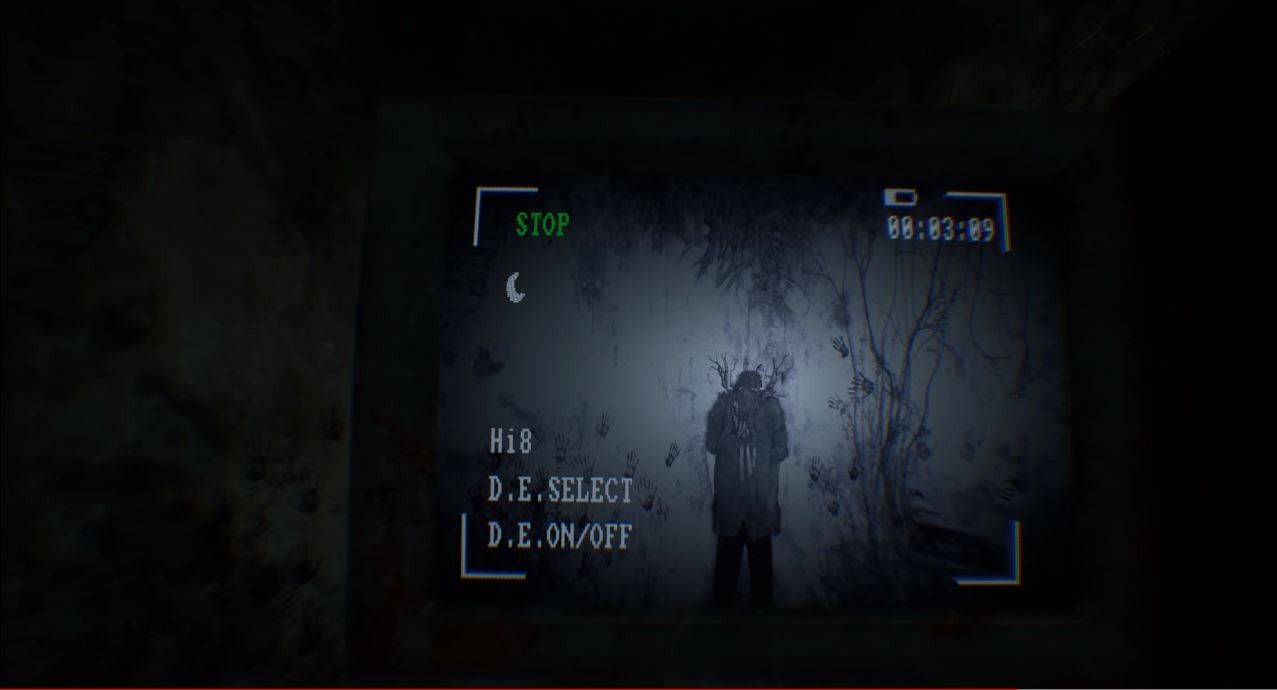
Player Agency
Player Agency
Player Agency
Agency in Blair Witch is subtle but meaningful.
The player controls:
how they treat Bullet
whether calls are answered
how long panic states are allowed to escalate
reaction to threat encounters
This is important because the game tracks behavior emotionally, not only mechanically.
For example:
ignoring Bullet affects relationship outcome
panic and aggression influence ending tone
The player does not always notice agency immediately, which makes later narrative consequences stronger.
This works because horror remains stronger when the player is involved but never fully secure.
Agency in Blair Witch is subtle but meaningful.
The player controls:
how they treat Bullet
whether calls are answered
how long panic states are allowed to escalate
reaction to threat encounters
This is important because the game tracks behavior emotionally, not only mechanically.
For example:
ignoring Bullet affects relationship outcome
panic and aggression influence ending tone
The player does not always notice agency immediately, which makes later narrative consequences stronger.
This works because horror remains stronger when the player is involved but never fully secure.
Agency in Blair Witch is subtle but meaningful.
The player controls:
how they treat Bullet
whether calls are answered
how long panic states are allowed to escalate
reaction to threat encounters
This is important because the game tracks behavior emotionally, not only mechanically.
For example:
ignoring Bullet affects relationship outcome
panic and aggression influence ending tone
The player does not always notice agency immediately, which makes later narrative consequences stronger.
This works because horror remains stronger when the player is involved but never fully secure.
Narrative Delivery
Narrative Delivery
Narrative Delivery
Narrative delivery is one of the game’s strongest systems because it is layered through devices rather than direct exposition.
The story unfolds through:
voice calls
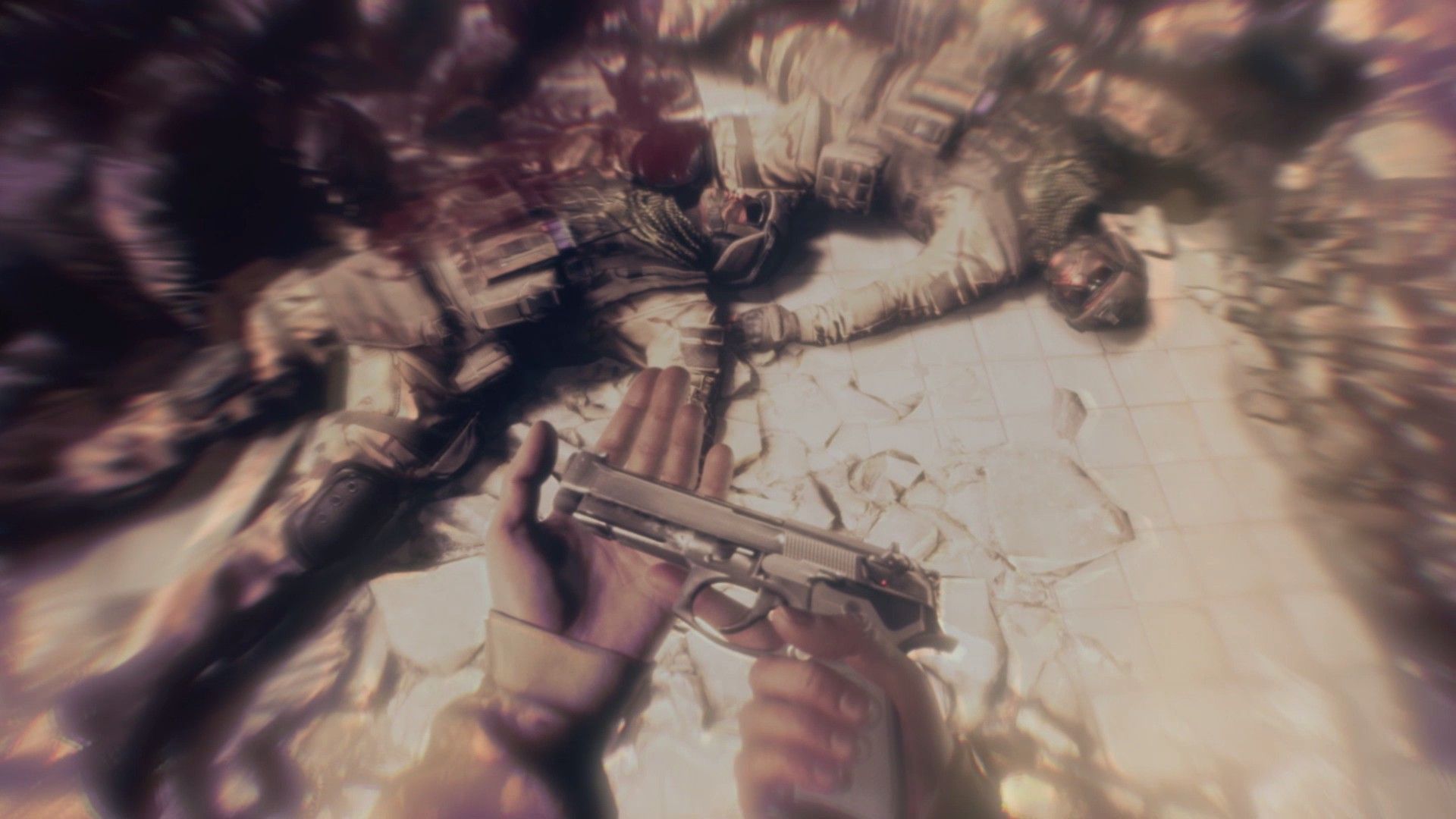
PTSD interruptions
military memories
psychiatric notes
camcorder footage
time distortion scenes
The major narrative strength is how Ellis’s personal guilt slowly overtakes the missing-child investigation.
The search for Peter becomes secondary to discovering: who Ellis really is inside this forest ?
The late reveal involving Carver works because the game has already planted mental instability through many smaller fractures.
The strongest narrative idea is that personal trauma and supernatural horror are blended until they become difficult to separate. That creates a design where story is not only told — it is felt through distortion.
Narrative delivery is one of the game’s strongest systems because it is layered through devices rather than direct exposition.
The story unfolds through:
voice calls
PTSD interruptions
military memories
psychiatric notes
camcorder footage
time distortion scenes
The major narrative strength is how Ellis’s personal guilt slowly overtakes the missing-child investigation.
The search for Peter becomes secondary to discovering: who Ellis really is inside this forest ?
The late reveal involving Carver works because the game has already planted mental instability through many smaller fractures.
The strongest narrative idea is that personal trauma and supernatural horror are blended until they become difficult to separate. That creates a design where story is not only told — it is felt through distortion.
Narrative delivery is one of the game’s strongest systems because it is layered through devices rather than direct exposition.
The story unfolds through:
voice calls
PTSD interruptions
military memories
psychiatric notes
camcorder footage
time distortion scenes
The major narrative strength is how Ellis’s personal guilt slowly overtakes the missing-child investigation.
The search for Peter becomes secondary to discovering: who Ellis really is inside this forest ?
The late reveal involving Carver works because the game has already planted mental instability through many smaller fractures.
The strongest narrative idea is that personal trauma and supernatural horror are blended until they become difficult to separate. That creates a design where story is not only told — it is felt through distortion.
Design Strengths and Limitations
Design Strengths and Limitations
Design Strengths and Limitations
Strengths
camcorder mechanic directly affects world logic
Bullet creates emotional gameplay dependency
flashlight combat keeps tension without full combat escalation
environmental sound constantly drives fear
Limitations
some looping sections overextend their emotional effect
enemy encounters occasionally feel less refined than atmosphere
pacing in mid sections can become mechanically repetitive
The strongest limitation is that some forest loops last slightly longer than their psychological impact.
When the player understands repetition too early, fear weakens.
Strengths
camcorder mechanic directly affects world logic
Bullet creates emotional gameplay dependency
flashlight combat keeps tension without full combat escalation
environmental sound constantly drives fear
Limitations
some looping sections overextend their emotional effect
enemy encounters occasionally feel less refined than atmosphere
pacing in mid sections can become mechanically repetitive
The strongest limitation is that some forest loops last slightly longer than their psychological impact.
When the player understands repetition too early, fear weakens.
Strengths
camcorder mechanic directly affects world logic
Bullet creates emotional gameplay dependency
flashlight combat keeps tension without full combat escalation
environmental sound constantly drives fear
Limitations
some looping sections overextend their emotional effect
enemy encounters occasionally feel less refined than atmosphere
pacing in mid sections can become mechanically repetitive
The strongest limitation is that some forest loops last slightly longer than their psychological impact.
When the player understands repetition too early, fear weakens.
What Works Exceptionally Well
What Works Exceptionally Well
What Works Exceptionally Well
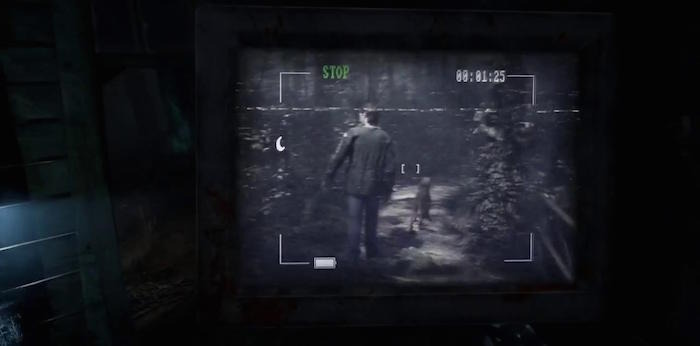
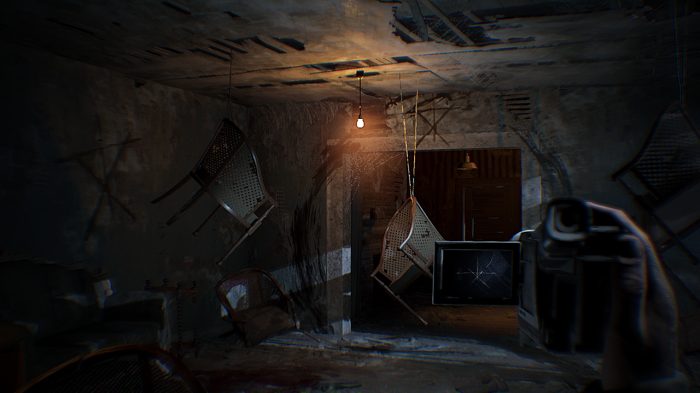
The most exceptional mechanic is the camcorder system.
Red tapes allow players to:
rewind reality
restore broken paths
move blocked objects
unlock hidden progression
This is brilliant because it turns found-footage into actual gameplay instead of only narrative reference.
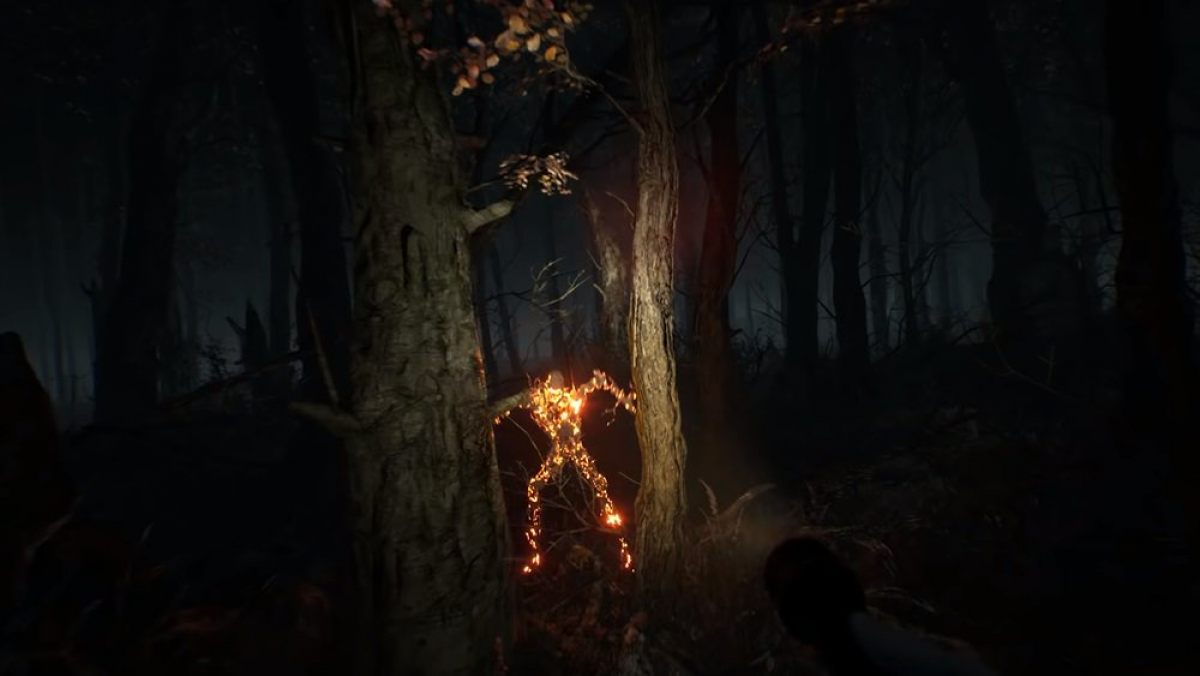
The flashlight mechanic also deserves more credit than people often give it:
the player does not attack enemies directly — they repel darkness itself.
That perfectly matches Blair Witch’s theme.
Bullet is equally exceptional because he serves four roles at once:
guide
detector
emotional support
moral reflection
Very few horror companions are designed this effectively.
The most exceptional mechanic is the camcorder system.
Red tapes allow players to:
rewind reality
restore broken paths
move blocked objects
unlock hidden progression
This is brilliant because it turns found-footage into actual gameplay instead of only narrative reference.
The flashlight mechanic also deserves more credit than people often give it:
the player does not attack enemies directly — they repel darkness itself.
That perfectly matches Blair Witch’s theme.
Bullet is equally exceptional because he serves four roles at once:
guide
detector
emotional support
moral reflection
Very few horror companions are designed this effectively.
The most exceptional mechanic is the camcorder system.
Red tapes allow players to:
rewind reality
restore broken paths
move blocked objects
unlock hidden progression
This is brilliant because it turns found-footage into actual gameplay instead of only narrative reference.
The flashlight mechanic also deserves more credit than people often give it:
the player does not attack enemies directly — they repel darkness itself.
That perfectly matches Blair Witch’s theme.
Bullet is equally exceptional because he serves four roles at once:
guide
detector
emotional support
moral reflection
Very few horror companions are designed this effectively.
In GAME SCREENSHOTS
In GAME SCREENSHOTS
In GAME SCREENSHOTS
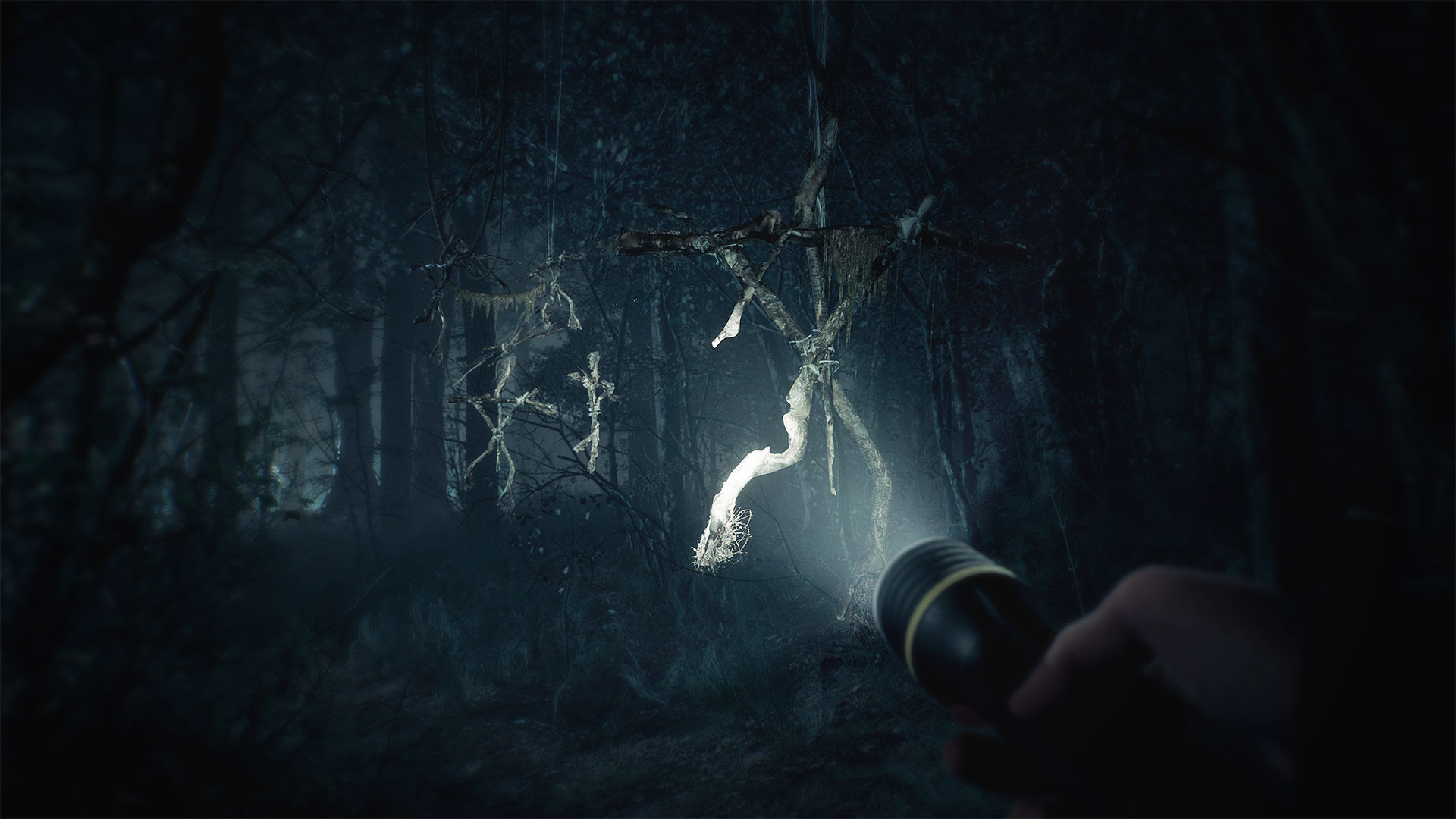
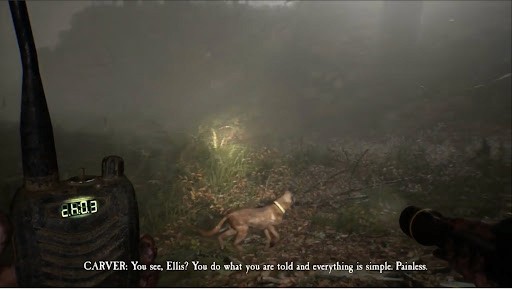
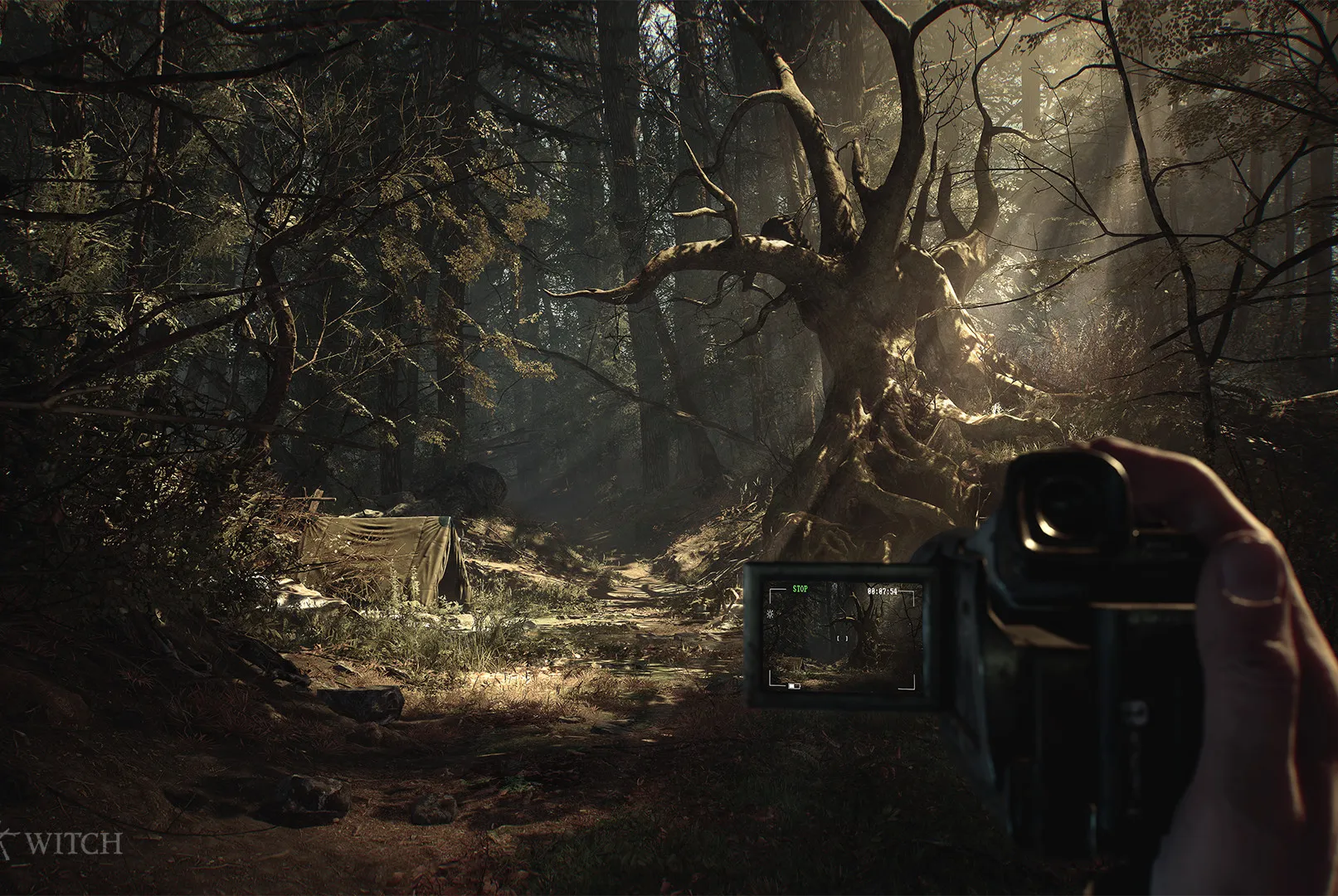
What I Learned as a Designer
What I Learned as a Designer
What I Learned as a Designer
Blair Witch shows that horror mechanics become powerful when every system belongs to the same emotional theme.
Nothing feels random:
camera affects memory
flashlight affects fear
dog affects sanity
phone affects guilt
That mechanical consistency is what makes the game stronger than many horror titles that rely only on atmosphere.
The biggest lesson is:
A horror mechanic becomes memorable when it changes both gameplay and narrative meaning at the same time.
Blair Witch shows that horror mechanics become powerful when every system belongs to the same emotional theme.
Nothing feels random:
camera affects memory
flashlight affects fear
dog affects sanity
phone affects guilt
That mechanical consistency is what makes the game stronger than many horror titles that rely only on atmosphere.
The biggest lesson is:
A horror mechanic becomes memorable when it changes both gameplay and narrative meaning at the same time.
Blair Witch shows that horror mechanics become powerful when every system belongs to the same emotional theme.
Nothing feels random:
camera affects memory
flashlight affects fear
dog affects sanity
phone affects guilt
That mechanical consistency is what makes the game stronger than many horror titles that rely only on atmosphere.
The biggest lesson is:
A horror mechanic becomes memorable when it changes both gameplay and narrative meaning at the same time.
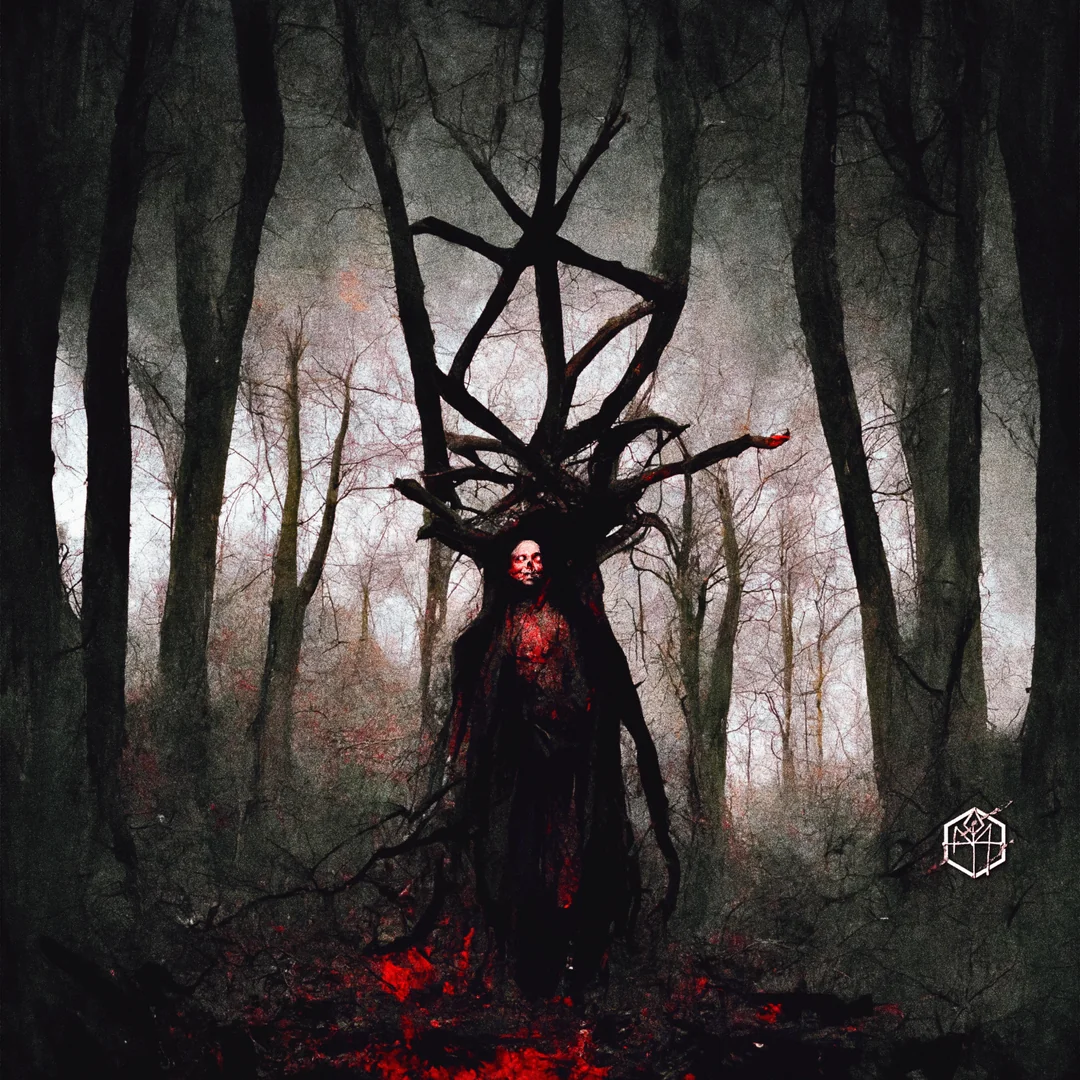
WHAT IF ? WHAT IF ?
WHAT IF ? WHAT IF ?

More Blogs More Blogs


Let'S WORK
TOGETHER
BASED IN INDIA

GAME DESIGNER
Let'S WORK
TOGETHER
BASED IN INDIA
GAME DESIGNER
Let'S WORK
TOGETHER
Let'S WORK
TOGETHER
BASED IN INDIA
GAME DESIGNER