Silent Hill F
Silent Hill F
Silent Hill F
Introduction
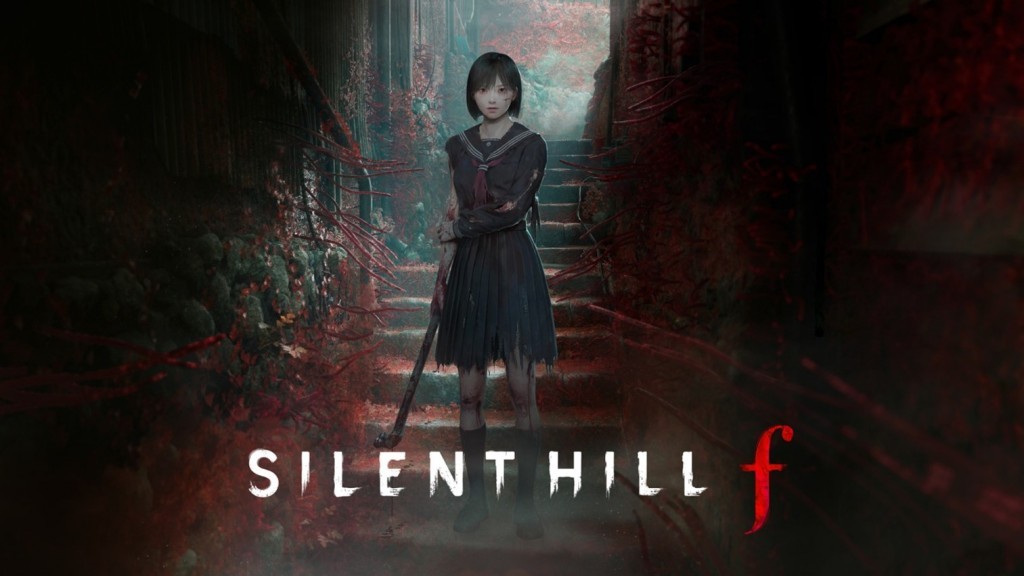
Silent Hill f is one of the boldest structural shifts the franchise has taken in years because it moves psychological horror away from industrial American decay and rebuilds it inside 1960s rural Japan, specifically the fictional town of Ebisugaoka. Instead of repeating old Silent Hill visual grammar, the game introduces floral corruption, social pressure, ritual imagery, and body horror tied closely to Japanese cultural identity.
What immediately stands out from a design perspective is that this is not simply a setting change — it changes how fear is framed. Beauty and decay now coexist in the same frame, and horror often appears before violence fully begins.
Game Designers:
Al Yang
Capra Shih
Introduction
Silent Hill f is one of the boldest structural shifts the franchise has taken in years because it moves psychological horror away from industrial American decay and rebuilds it inside 1960s rural Japan, specifically the fictional town of Ebisugaoka. Instead of repeating old Silent Hill visual grammar, the game introduces floral corruption, social pressure, ritual imagery, and body horror tied closely to Japanese cultural identity.
What immediately stands out from a design perspective is that this is not simply a setting change — it changes how fear is framed. Beauty and decay now coexist in the same frame, and horror often appears before violence fully begins.
Game Designers:
Al Yang
Capra Shih
Introduction
Silent Hill f is one of the boldest structural shifts the franchise has taken in years because it moves psychological horror away from industrial American decay and rebuilds it inside 1960s rural Japan, specifically the fictional town of Ebisugaoka. Instead of repeating old Silent Hill visual grammar, the game introduces floral corruption, social pressure, ritual imagery, and body horror tied closely to Japanese cultural identity.
What immediately stands out from a design perspective is that this is not simply a setting change — it changes how fear is framed. Beauty and decay now coexist in the same frame, and horror often appears before violence fully begins.
Game Designers:
Al Yang
Capra Shih
Core Design Identity
Core Design Identity
Core Design Identity
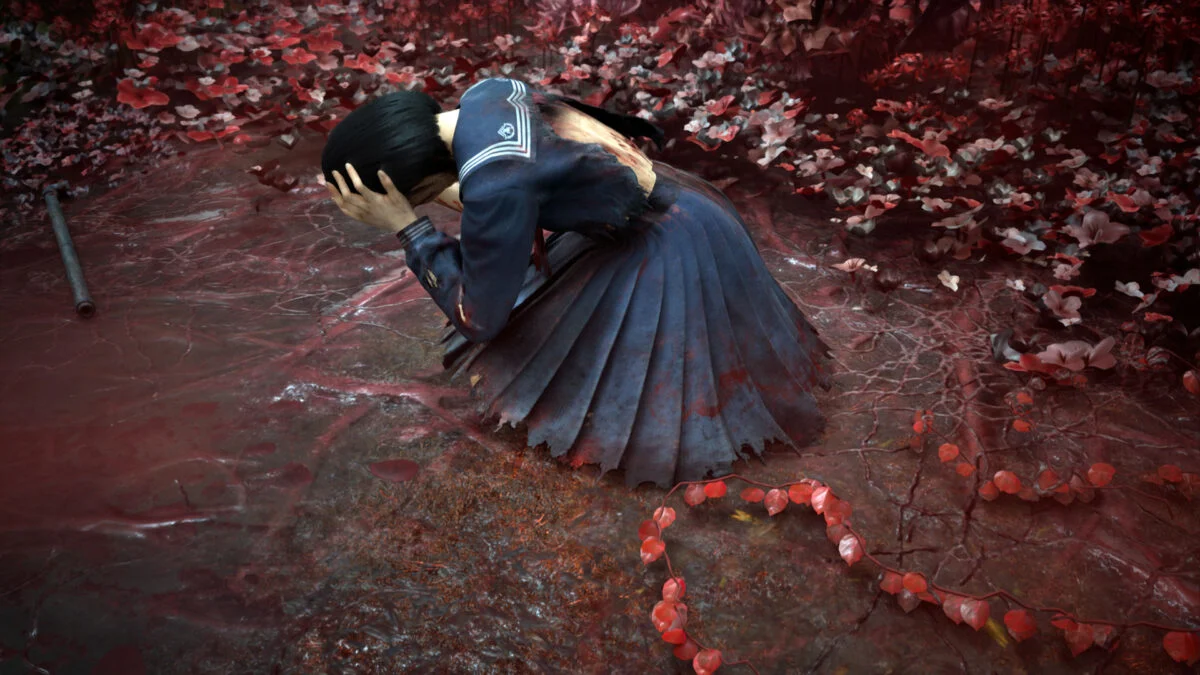
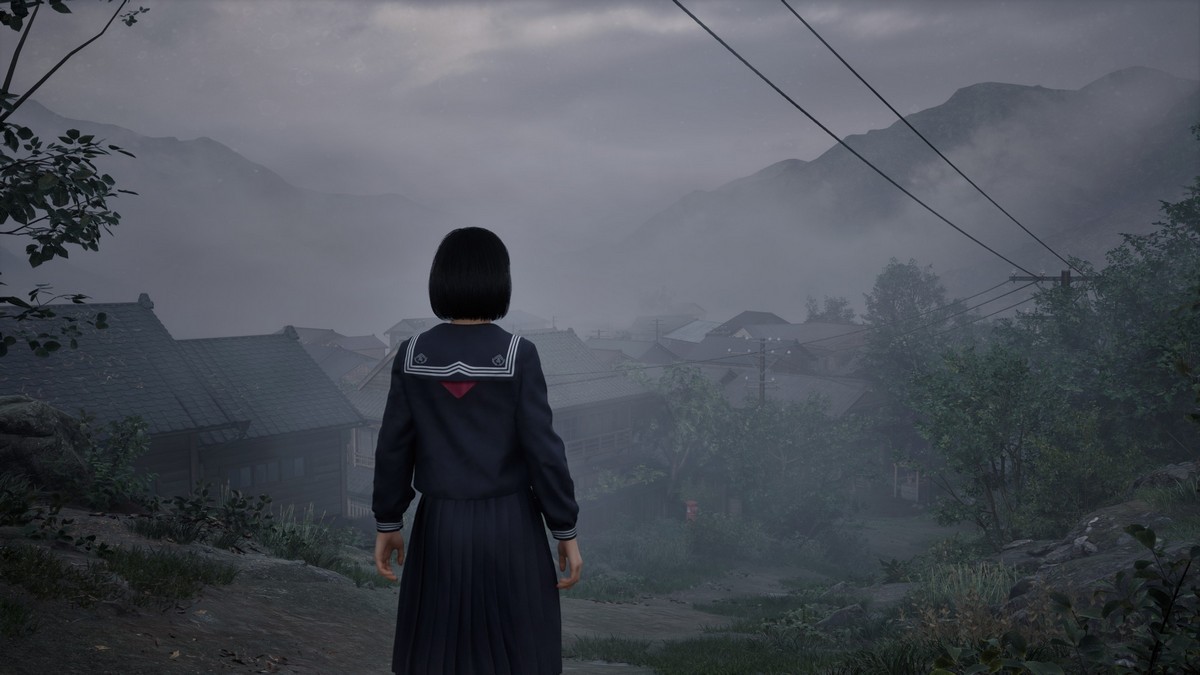
The game’s strongest identity is beauty turned hostile.
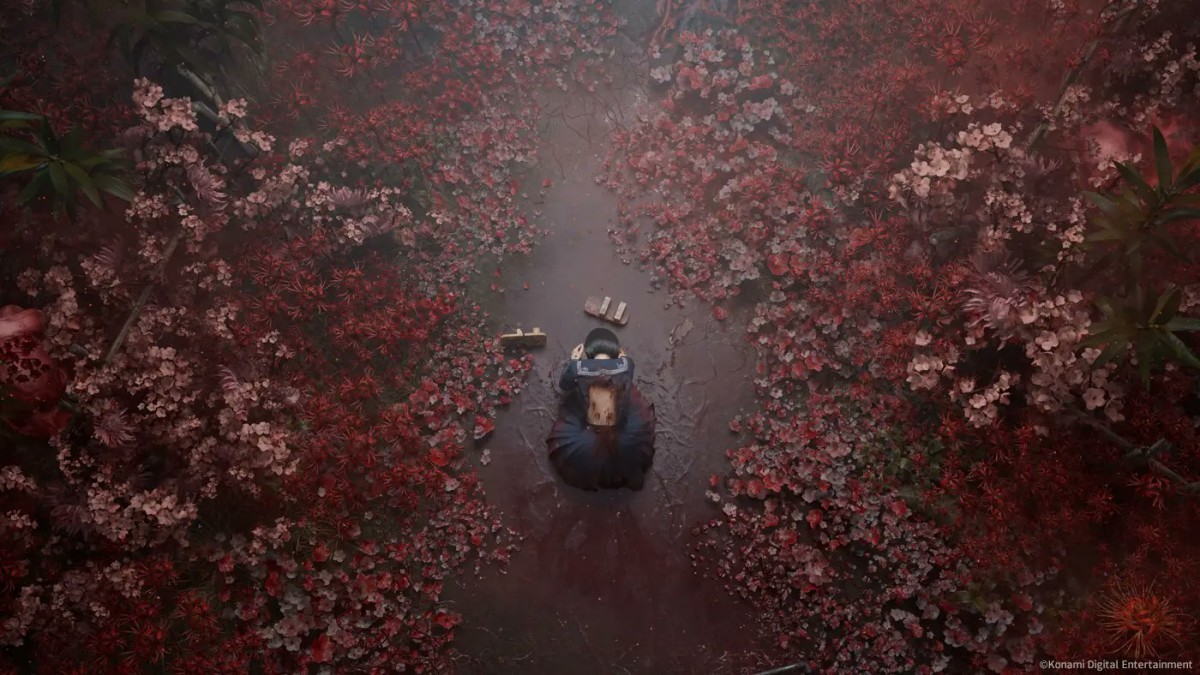
Flowers, shrine imagery, and delicate visual symbolism are constantly fused with rot, blood, and body horror, so the player is never looking at a purely “ugly” horror world. That contrast is the core trick: the game makes horror feel more disturbing because it arrives through something visually graceful.
Repression as horror. Hinako’s fear is not abstract; it is tied to expectations around marriage, family obedience, and womanhood in 1960s Japan.
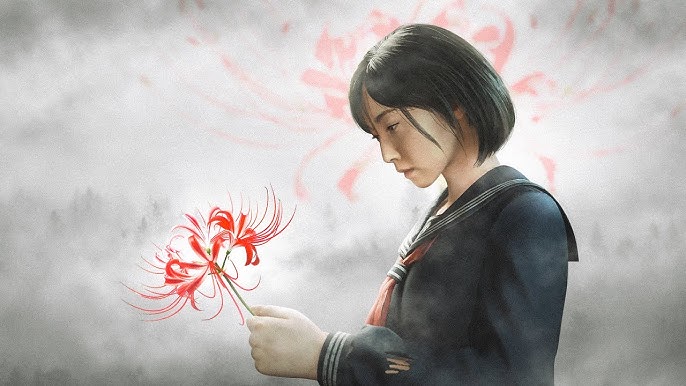
Beauty as corruption. Red spider lilies, floral growth, and ritual spaces create a world that looks sacred before it becomes violent.
Familiarity becoming alien. The town begins recognizable, then becomes distorted into a nightmare that still resembles home.
The game’s strongest identity is beauty turned hostile.
Flowers, shrine imagery, and delicate visual symbolism are constantly fused with rot, blood, and body horror, so the player is never looking at a purely “ugly” horror world. That contrast is the core trick: the game makes horror feel more disturbing because it arrives through something visually graceful.
Repression as horror. Hinako’s fear is not abstract; it is tied to expectations around marriage, family obedience, and womanhood in 1960s Japan.
Beauty as corruption. Red spider lilies, floral growth, and ritual spaces create a world that looks sacred before it becomes violent.
Familiarity becoming alien. The town begins recognizable, then becomes distorted into a nightmare that still resembles home.
The game’s strongest identity is beauty turned hostile.
Flowers, shrine imagery, and delicate visual symbolism are constantly fused with rot, blood, and body horror, so the player is never looking at a purely “ugly” horror world. That contrast is the core trick: the game makes horror feel more disturbing because it arrives through something visually graceful.
Repression as horror. Hinako’s fear is not abstract; it is tied to expectations around marriage, family obedience, and womanhood in 1960s Japan.
Beauty as corruption. Red spider lilies, floral growth, and ritual spaces create a world that looks sacred before it becomes violent.
Familiarity becoming alien. The town begins recognizable, then becomes distorted into a nightmare that still resembles home.
Core Gameplay Loop
Core Gameplay Loop
Core Gameplay Loop
Silent Hill f plays like a horror exploration game on the surface, but its systems make the player work more like a cautious survivor than a passive walker. The loop is built around movement through hostile spaces, puzzle-solving, resource pressure, and short, dangerous combat exchanges.
Main loop structure:
Explore distorted town spaces
Solve symbolic puzzles to get keys
Avoid or confront creatures
Manage limited healing and sanity
Reach shrines or safe progression points
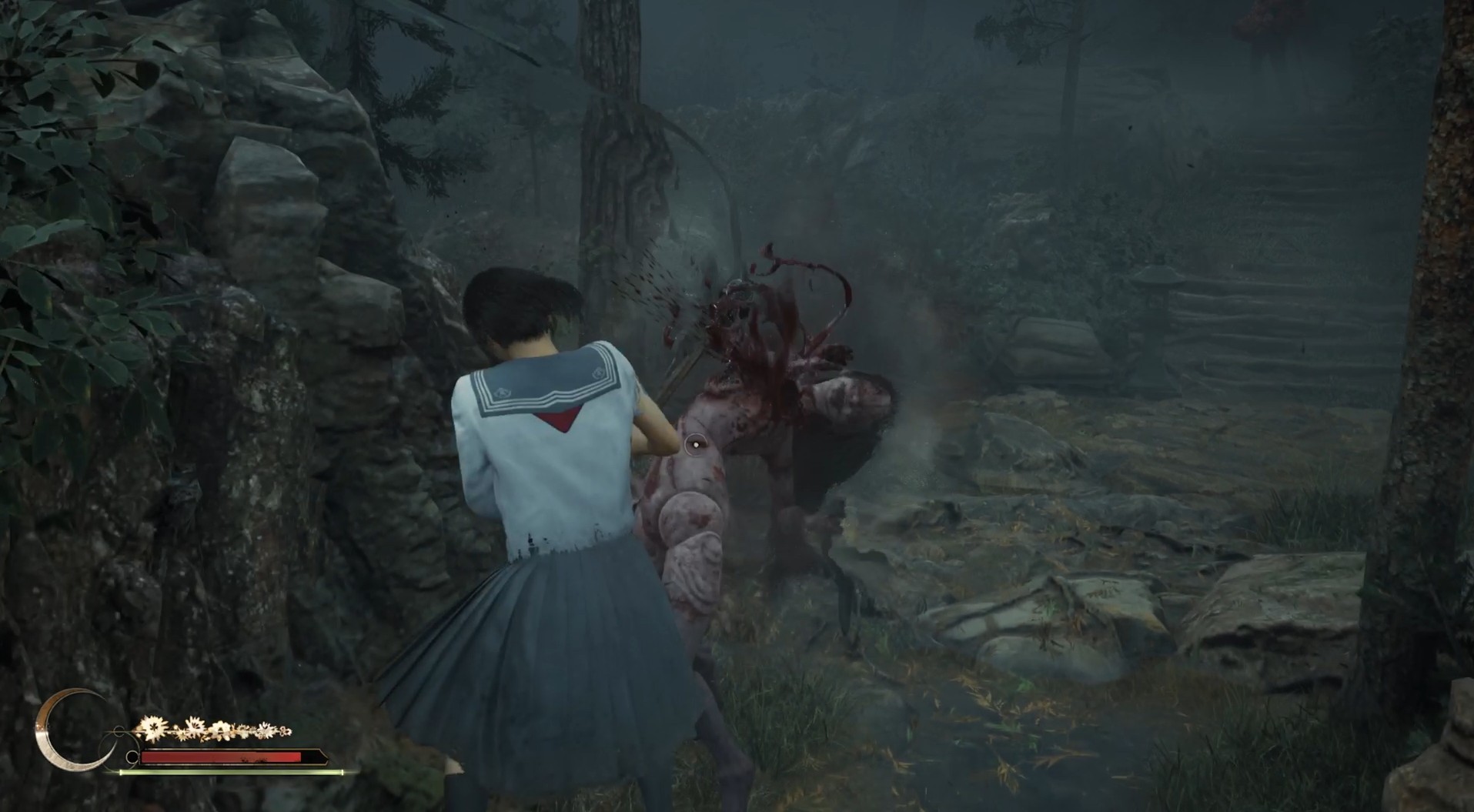
A major design shift is the absence of firearms.
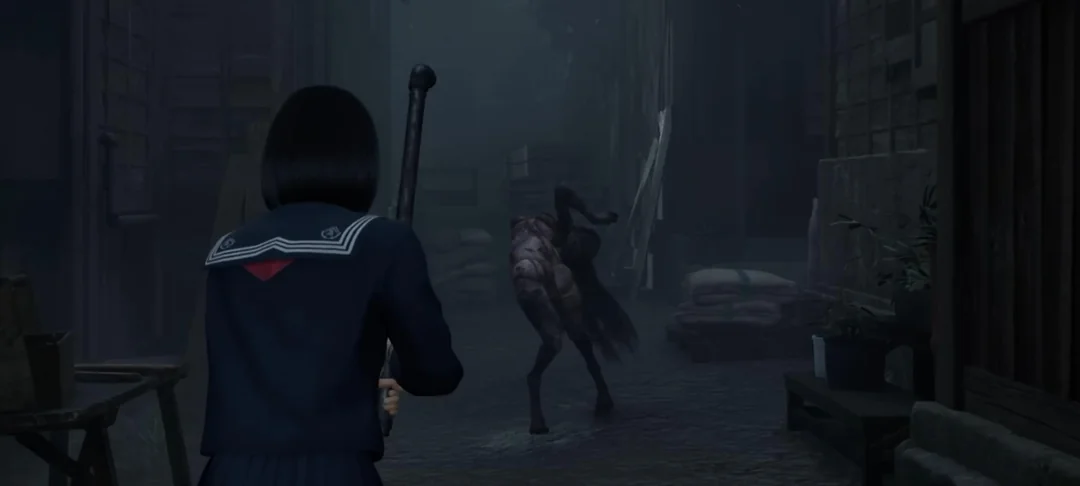
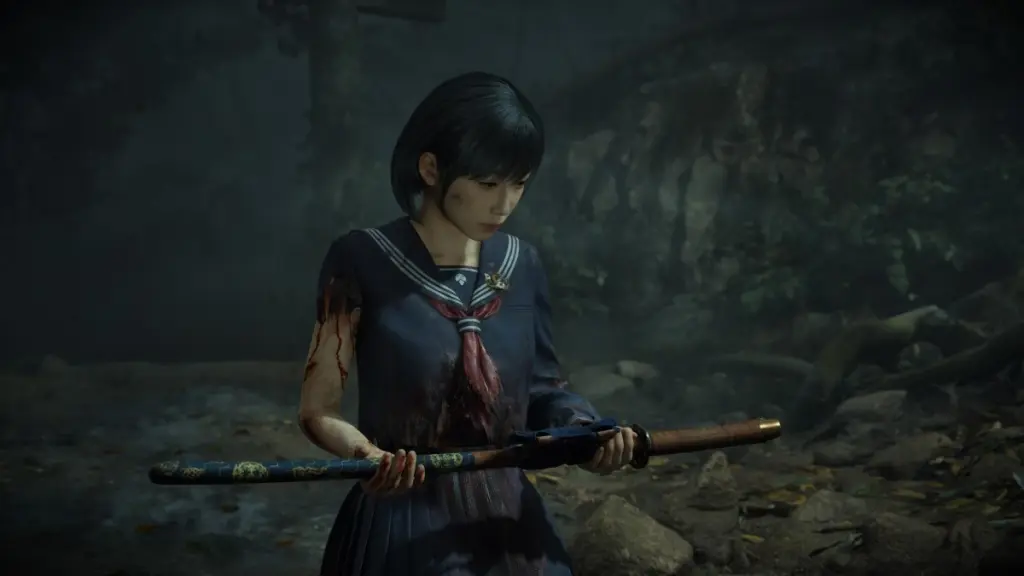
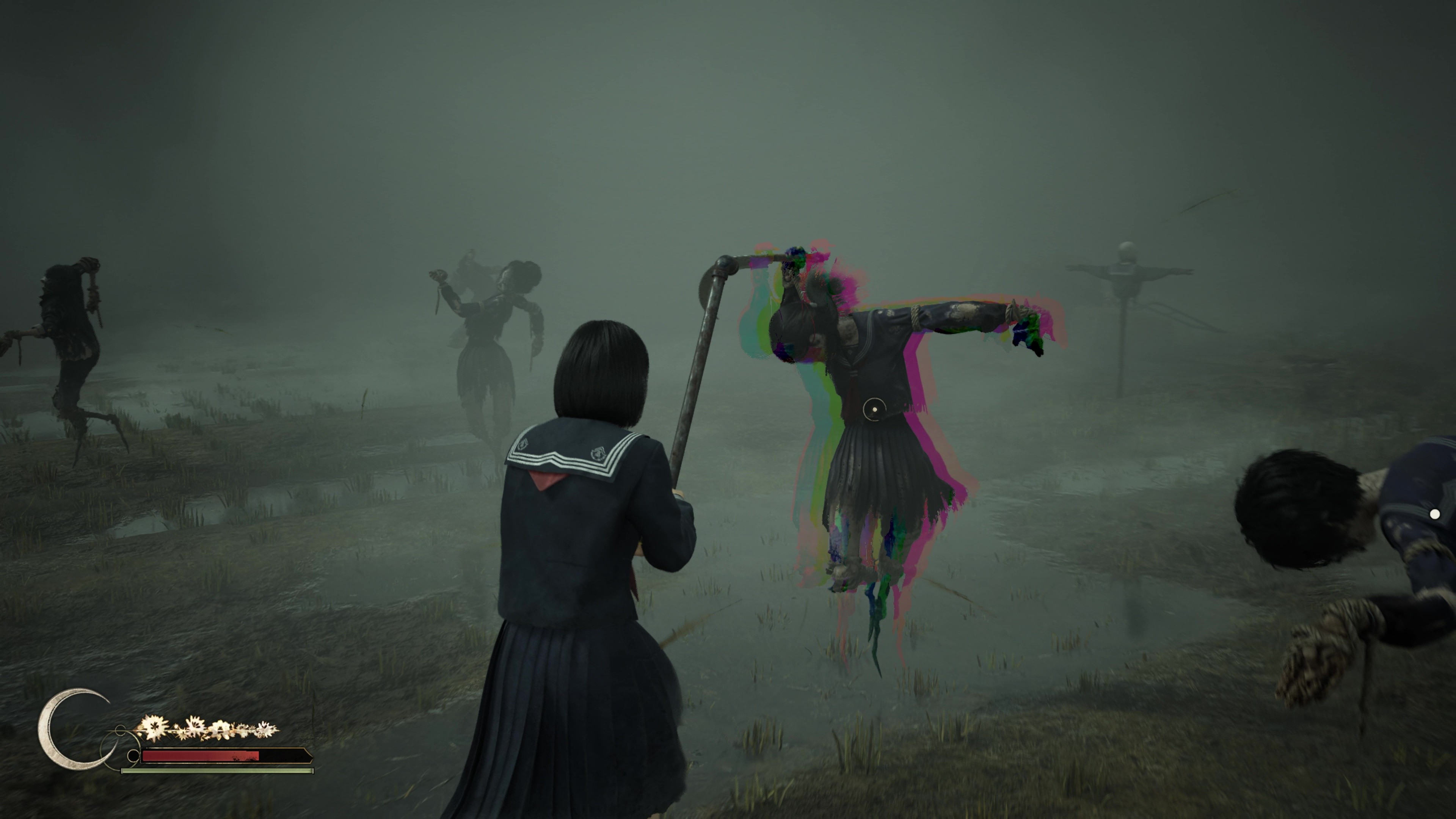
The combat leans melee-heavy, using dodges, counters, stamina management, and breakable weapons rather than distance safety. It includes:
Melee timing
Dodging
Parrying
Weapon preservation
This changes player psychology because combat becomes intimate and risky instead of controlled from distance.
The addition of sanity as a tracked layer is especially important because exploration itself now has systemic pressure.
Silent Hill f plays like a horror exploration game on the surface, but its systems make the player work more like a cautious survivor than a passive walker. The loop is built around movement through hostile spaces, puzzle-solving, resource pressure, and short, dangerous combat exchanges.
Main loop structure:
Explore distorted town spaces
Solve symbolic puzzles to get keys
Avoid or confront creatures
Manage limited healing and sanity
Reach shrines or safe progression points
A major design shift is the absence of firearms.
The combat leans melee-heavy, using dodges, counters, stamina management, and breakable weapons rather than distance safety. It includes:
Melee timing
Dodging
Parrying
Weapon preservation
This changes player psychology because combat becomes intimate and risky instead of controlled from distance.
The addition of sanity as a tracked layer is especially important because exploration itself now has systemic pressure.
Silent Hill f plays like a horror exploration game on the surface, but its systems make the player work more like a cautious survivor than a passive walker. The loop is built around movement through hostile spaces, puzzle-solving, resource pressure, and short, dangerous combat exchanges.
Main loop structure:
Explore distorted town spaces
Solve symbolic puzzles to get keys
Avoid or confront creatures
Manage limited healing and sanity
Reach shrines or safe progression points
A major design shift is the absence of firearms.
The combat leans melee-heavy, using dodges, counters, stamina management, and breakable weapons rather than distance safety. It includes:
Melee timing
Dodging
Parrying
Weapon preservation
This changes player psychology because combat becomes intimate and risky instead of controlled from distance.
The addition of sanity as a tracked layer is especially important because exploration itself now has systemic pressure.
Level / Mission Design Ideology
Level / Mission Design Ideology
Level / Mission Design Ideology
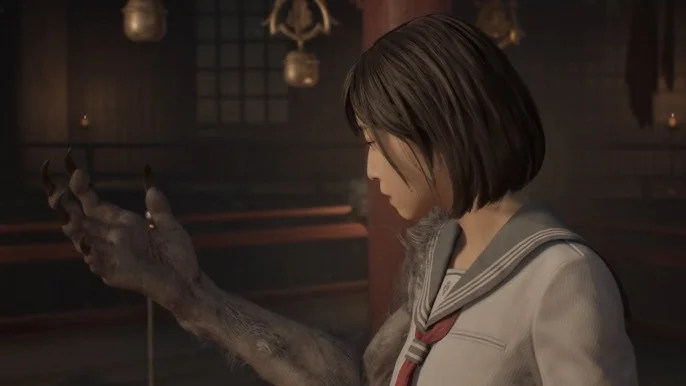
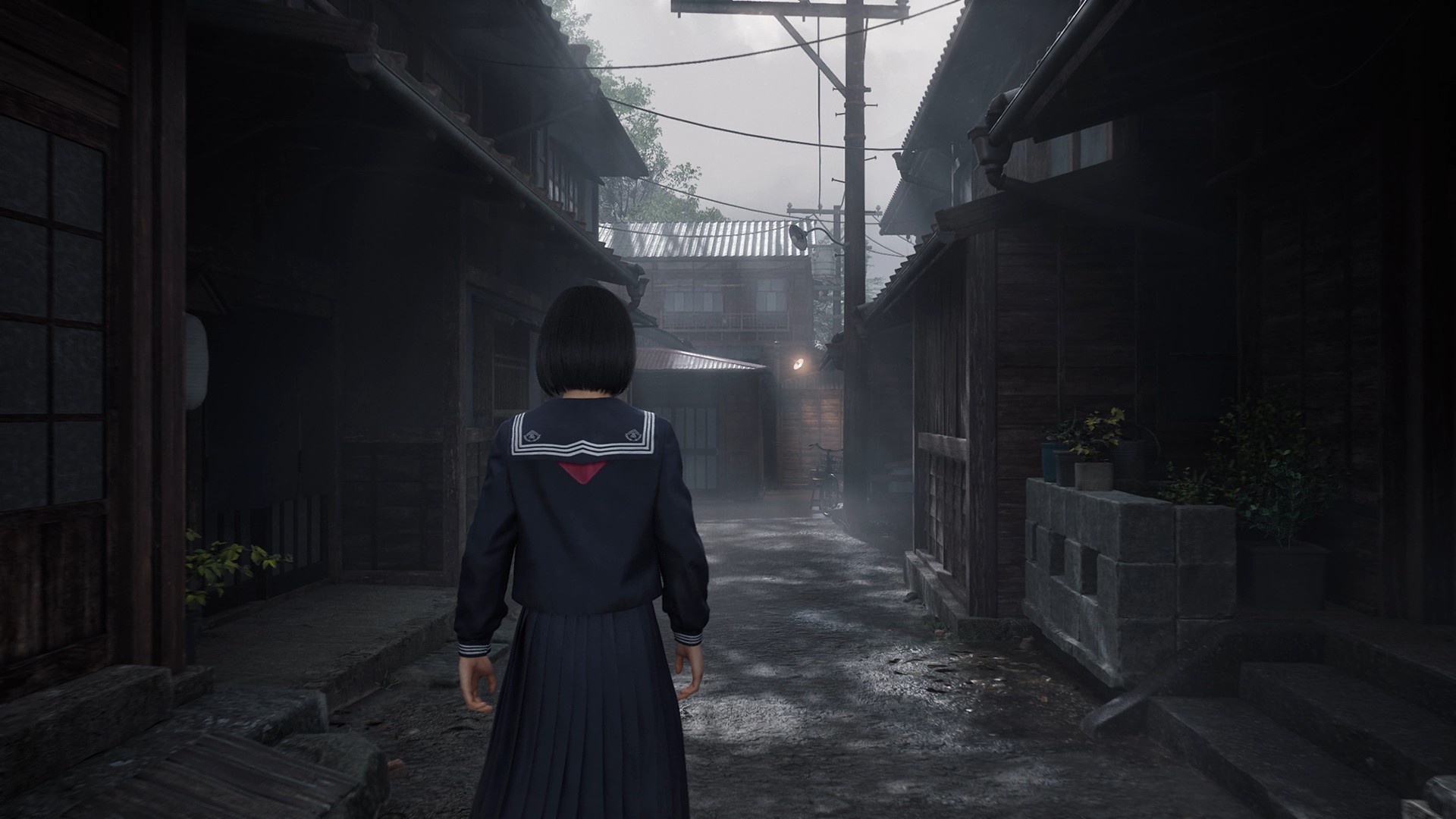
Silent Hill f appears designed around layered emotional transitions rather than direct map expansion. The level design feels built around emotional contamination of space. Ebisugaoka is not just a map; it is a place that shifts from town logic to nightmare logic as fog and symbolism overtake it. The player gradually learns that routes, landmarks, and familiar places can no longer be trusted in the same way.
Important level design traits:
ordinary town spaces slowly deform
school routes become ritual corridors
shrines act as emotional anchors
narrow streets create visual uncertainty
The strongest mission ideology seems to be:
familiar place first, symbolic corruption later.
That is strong horror pacing because the player first understands normality before the game destroys it.
The town itself becomes emotionally unstable rather than geographically large.
Silent Hill f appears designed around layered emotional transitions rather than direct map expansion. The level design feels built around emotional contamination of space. Ebisugaoka is not just a map; it is a place that shifts from town logic to nightmare logic as fog and symbolism overtake it. The player gradually learns that routes, landmarks, and familiar places can no longer be trusted in the same way.
Important level design traits:
ordinary town spaces slowly deform
school routes become ritual corridors
shrines act as emotional anchors
narrow streets create visual uncertainty
The strongest mission ideology seems to be:
familiar place first, symbolic corruption later.
That is strong horror pacing because the player first understands normality before the game destroys it.
The town itself becomes emotionally unstable rather than geographically large.
Silent Hill f appears designed around layered emotional transitions rather than direct map expansion. The level design feels built around emotional contamination of space. Ebisugaoka is not just a map; it is a place that shifts from town logic to nightmare logic as fog and symbolism overtake it. The player gradually learns that routes, landmarks, and familiar places can no longer be trusted in the same way.
Important level design traits:
ordinary town spaces slowly deform
school routes become ritual corridors
shrines act as emotional anchors
narrow streets create visual uncertainty
The strongest mission ideology seems to be:
familiar place first, symbolic corruption later.
That is strong horror pacing because the player first understands normality before the game destroys it.
The town itself becomes emotionally unstable rather than geographically large.
Player Agency
Player Agency
Player Agency
Agency here feels more fragile than empowering. Silent Hill f gives agency through survival interpretation rather than combat mastery.
The player controls:
whether to fight or preserve weapons
when to heal
when to risk deeper exploration
how to approach symbolic puzzle spaces
Because weapons degrade, every encounter asks:
Is this worth spending durability?
That creates better decision weight than simple enemy clearing.
The prayer shrine system also adds long-term agency because resources convert into progression choices.
Agency here feels more fragile than empowering. Silent Hill f gives agency through survival interpretation rather than combat mastery.
The player controls:
whether to fight or preserve weapons
when to heal
when to risk deeper exploration
how to approach symbolic puzzle spaces
Because weapons degrade, every encounter asks:
Is this worth spending durability?
That creates better decision weight than simple enemy clearing.
The prayer shrine system also adds long-term agency because resources convert into progression choices.
Agency here feels more fragile than empowering. Silent Hill f gives agency through survival interpretation rather than combat mastery.
The player controls:
whether to fight or preserve weapons
when to heal
when to risk deeper exploration
how to approach symbolic puzzle spaces
Because weapons degrade, every encounter asks:
Is this worth spending durability?
That creates better decision weight than simple enemy clearing.
The prayer shrine system also adds long-term agency because resources convert into progression choices.
Narrative Delivery
Narrative Delivery
Narrative Delivery
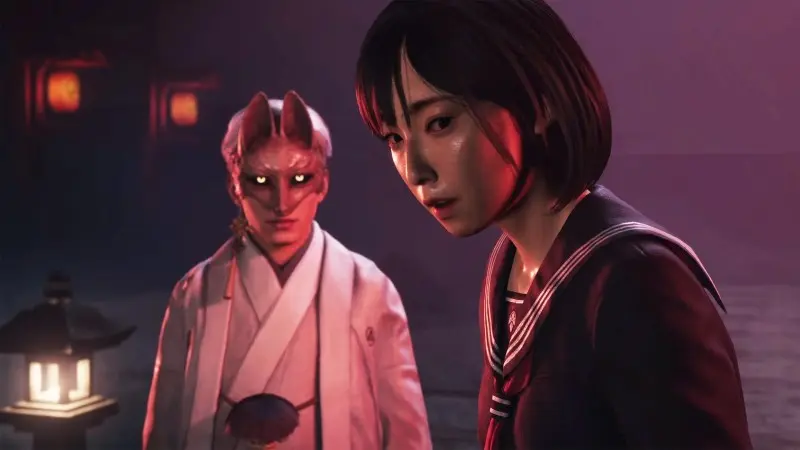
This may become one of the strongest narrative entries in modern Silent Hill because this is where Silent Hill f becomes especially strong. The story is not only about monsters — it is about fear of becoming what society expects you to become. Hinako is shaped by family repression, marriage pressure, abuse, and the dread of future identity loss.
Narrative delivery seems layered through:
Marriage as horror. The game uses marriage imagery not as romance, but as a pressure system tied to control and identity erasure.
Abuse as emotional foundation. Hinako’s father is described as abusive, and the game’s horror emerges from that domestic pressure as much as from monsters.
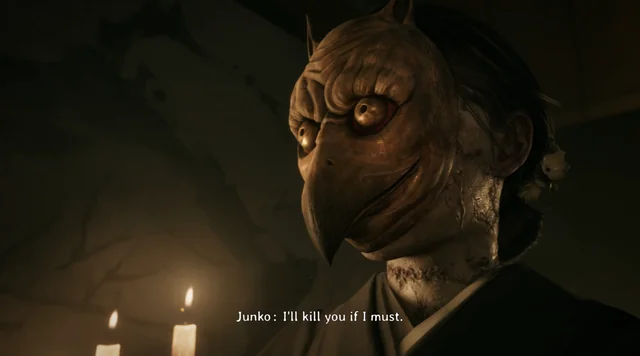
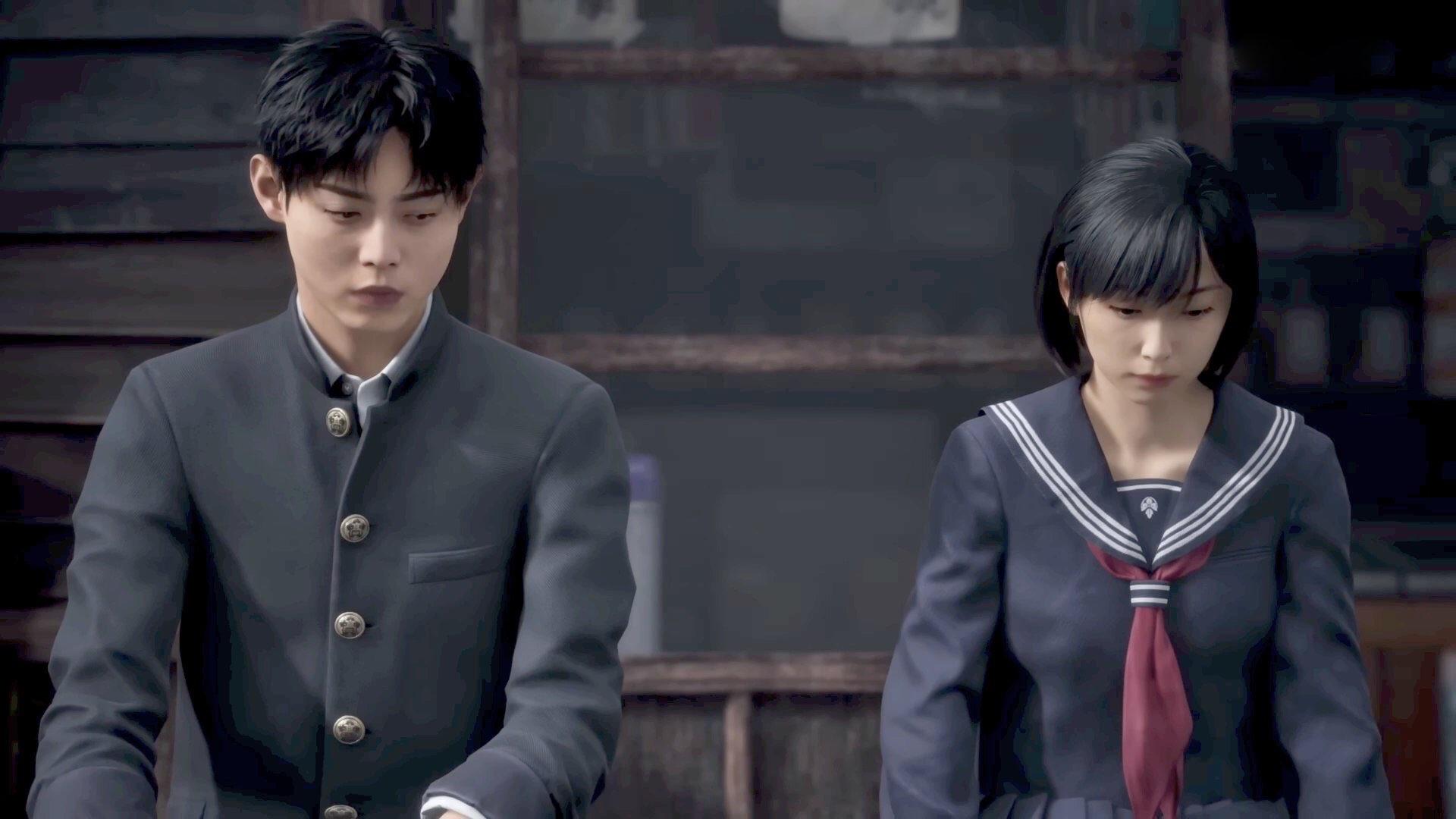
Friends become emotional mirrors. Shu, Rinko, and Sakuko are not just companions; they become part of the game’s pressure structure, with relationships changing into threat, loss, and confrontation. This is one of the game’s most effective narrative moves.
Multiple endings deepen the story. The endings show that the game can be read through different psychological lenses, including marriage ceremony imagery, resistance, reconciliation, and hallucination-like collapse caused by the red capsules.
Ryukishi07’s writing influence matters because his stories often hide emotional cruelty beneath ordinary social behavior.
This may become one of the strongest narrative entries in modern Silent Hill because this is where Silent Hill f becomes especially strong. The story is not only about monsters — it is about fear of becoming what society expects you to become. Hinako is shaped by family repression, marriage pressure, abuse, and the dread of future identity loss.
Narrative delivery seems layered through:
Marriage as horror. The game uses marriage imagery not as romance, but as a pressure system tied to control and identity erasure.
Abuse as emotional foundation. Hinako’s father is described as abusive, and the game’s horror emerges from that domestic pressure as much as from monsters.
Friends become emotional mirrors. Shu, Rinko, and Sakuko are not just companions; they become part of the game’s pressure structure, with relationships changing into threat, loss, and confrontation. This is one of the game’s most effective narrative moves.
Multiple endings deepen the story. The endings show that the game can be read through different psychological lenses, including marriage ceremony imagery, resistance, reconciliation, and hallucination-like collapse caused by the red capsules.
Ryukishi07’s writing influence matters because his stories often hide emotional cruelty beneath ordinary social behavior.
This may become one of the strongest narrative entries in modern Silent Hill because this is where Silent Hill f becomes especially strong. The story is not only about monsters — it is about fear of becoming what society expects you to become. Hinako is shaped by family repression, marriage pressure, abuse, and the dread of future identity loss.
Narrative delivery seems layered through:
Marriage as horror. The game uses marriage imagery not as romance, but as a pressure system tied to control and identity erasure.
Abuse as emotional foundation. Hinako’s father is described as abusive, and the game’s horror emerges from that domestic pressure as much as from monsters.
Friends become emotional mirrors. Shu, Rinko, and Sakuko are not just companions; they become part of the game’s pressure structure, with relationships changing into threat, loss, and confrontation. This is one of the game’s most effective narrative moves.
Multiple endings deepen the story. The endings show that the game can be read through different psychological lenses, including marriage ceremony imagery, resistance, reconciliation, and hallucination-like collapse caused by the red capsules.
Ryukishi07’s writing influence matters because his stories often hide emotional cruelty beneath ordinary social behavior.
Design Strengths and Limitations
Design Strengths and Limitations
Design Strengths and Limitations
Strengths
The visual identity is immediately memorable because it merges beauty with grotesque corruption.
Hinako is written as a layered protagonist whose fear is tied to social pressure rather than generic fear alone.
The combat is more active than older Silent Hill games, but still remains connected to vulnerability through melee, stamina, and dodge timing.
Limitations
Some reviews feel the melee-focused combat can become irritating or repetitive compared to the quality of the atmosphere and writing.
The game’s stronger action focus can occasionally compete with its horror tension, especially when combat starts to feel more demanding than frightening.
The key balance challenge will be maintaining psychological horror while combat becomes mechanically demanding.
Strengths
The visual identity is immediately memorable because it merges beauty with grotesque corruption.
Hinako is written as a layered protagonist whose fear is tied to social pressure rather than generic fear alone.
The combat is more active than older Silent Hill games, but still remains connected to vulnerability through melee, stamina, and dodge timing.
Limitations
Some reviews feel the melee-focused combat can become irritating or repetitive compared to the quality of the atmosphere and writing.
The game’s stronger action focus can occasionally compete with its horror tension, especially when combat starts to feel more demanding than frightening.
The key balance challenge will be maintaining psychological horror while combat becomes mechanically demanding.
Strengths
The visual identity is immediately memorable because it merges beauty with grotesque corruption.
Hinako is written as a layered protagonist whose fear is tied to social pressure rather than generic fear alone.
The combat is more active than older Silent Hill games, but still remains connected to vulnerability through melee, stamina, and dodge timing.
Limitations
Some reviews feel the melee-focused combat can become irritating or repetitive compared to the quality of the atmosphere and writing.
The game’s stronger action focus can occasionally compete with its horror tension, especially when combat starts to feel more demanding than frightening.
The key balance challenge will be maintaining psychological horror while combat becomes mechanically demanding.
What Works Exceptionally Well
What Works Exceptionally Well
What Works Exceptionally Well
What works best is the way the game turns internal fear into external form.
Physical horror reflects mental pressure. Monsters and flashbacks are used to express repression, dread, and social violence.
The town feels infected by emotion. Fog, flowers, and transformation make Ebisugaoka feel like a living psychological wound.
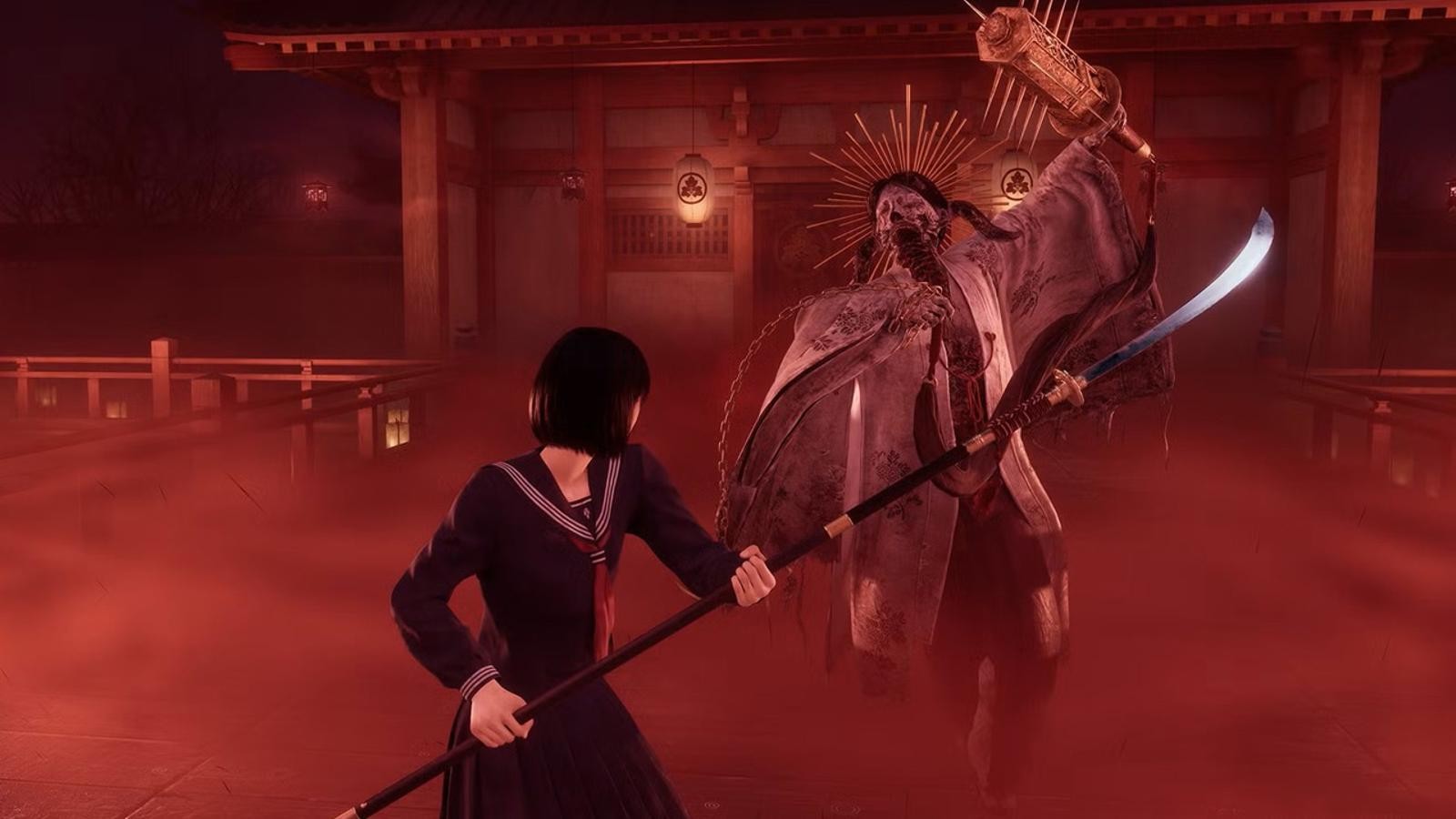
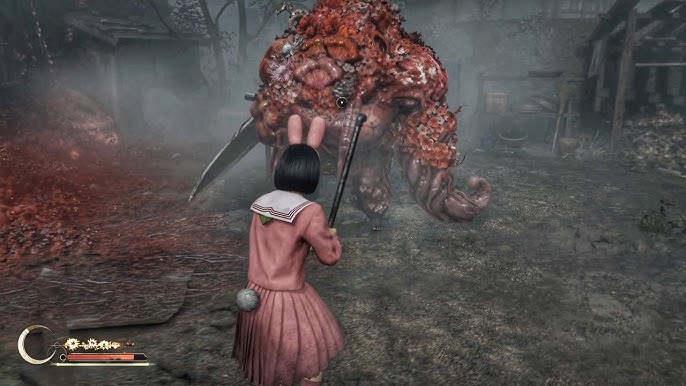
Boss fights matter emotionally. Reviews note that boss encounters are especially memorable because they function as major confrontations in Hinako’s emotional journey, not just as obstacle gates.
The game keeps Silent Hill’s identity while expanding it. Konami and critics repeatedly frame the game as a true continuation that takes the series somewhere new without losing its horror core.
What works best is the way the game turns internal fear into external form.
Physical horror reflects mental pressure. Monsters and flashbacks are used to express repression, dread, and social violence.
The town feels infected by emotion. Fog, flowers, and transformation make Ebisugaoka feel like a living psychological wound.
Boss fights matter emotionally. Reviews note that boss encounters are especially memorable because they function as major confrontations in Hinako’s emotional journey, not just as obstacle gates.
The game keeps Silent Hill’s identity while expanding it. Konami and critics repeatedly frame the game as a true continuation that takes the series somewhere new without losing its horror core.
What works best is the way the game turns internal fear into external form.
Physical horror reflects mental pressure. Monsters and flashbacks are used to express repression, dread, and social violence.
The town feels infected by emotion. Fog, flowers, and transformation make Ebisugaoka feel like a living psychological wound.
Boss fights matter emotionally. Reviews note that boss encounters are especially memorable because they function as major confrontations in Hinako’s emotional journey, not just as obstacle gates.
The game keeps Silent Hill’s identity while expanding it. Konami and critics repeatedly frame the game as a true continuation that takes the series somewhere new without losing its horror core.
In GAME SCREENSHOTS
In GAME SCREENSHOTS
In GAME SCREENSHOTS
What I Learned as a Designer
What I Learned as a Designer
What I Learned as a Designer
Silent Hill f shows how a horror game can reinvent itself by changing cultural framing without losing thematic identity. The strongest lesson is that fear becomes more powerful when it is tied to social pressure, body symbolism, and environment all at once.
It also shows that strong horror design does not need constant combat to stay tense — it needs a world that keeps making the player question what they are seeing, who they are listening to, and what the next transformation will mean.
For me as a designer, the biggest takeaway is this:
horror is strongest when the environment, mechanics, and narrative all point to the same emotional fear
and Silent Hill f understands that better than many modern horror games.
Silent Hill f shows how a horror game can reinvent itself by changing cultural framing without losing thematic identity. The strongest lesson is that fear becomes more powerful when it is tied to social pressure, body symbolism, and environment all at once.
It also shows that strong horror design does not need constant combat to stay tense — it needs a world that keeps making the player question what they are seeing, who they are listening to, and what the next transformation will mean.
For me as a designer, the biggest takeaway is this:
horror is strongest when the environment, mechanics, and narrative all point to the same emotional fear
and Silent Hill f understands that better than many modern horror games.
Silent Hill f shows how a horror game can reinvent itself by changing cultural framing without losing thematic identity. The strongest lesson is that fear becomes more powerful when it is tied to social pressure, body symbolism, and environment all at once.
It also shows that strong horror design does not need constant combat to stay tense — it needs a world that keeps making the player question what they are seeing, who they are listening to, and what the next transformation will mean.
For me as a designer, the biggest takeaway is this:
horror is strongest when the environment, mechanics, and narrative all point to the same emotional fear
and Silent Hill f understands that better than many modern horror games.
WHAT IF ? WHAT IF ?
WHAT IF ? WHAT IF ?
More Blogs More Blogs
Let'S WORK
TOGETHER
BASED IN INDIA
GAME DESIGNER
Let'S WORK
TOGETHER
BASED IN INDIA
GAME DESIGNER
Let'S WORK
TOGETHER
Let'S WORK
TOGETHER
BASED IN INDIA
GAME DESIGNER