Dying Light
Dying Light
Dying Light
Introduction
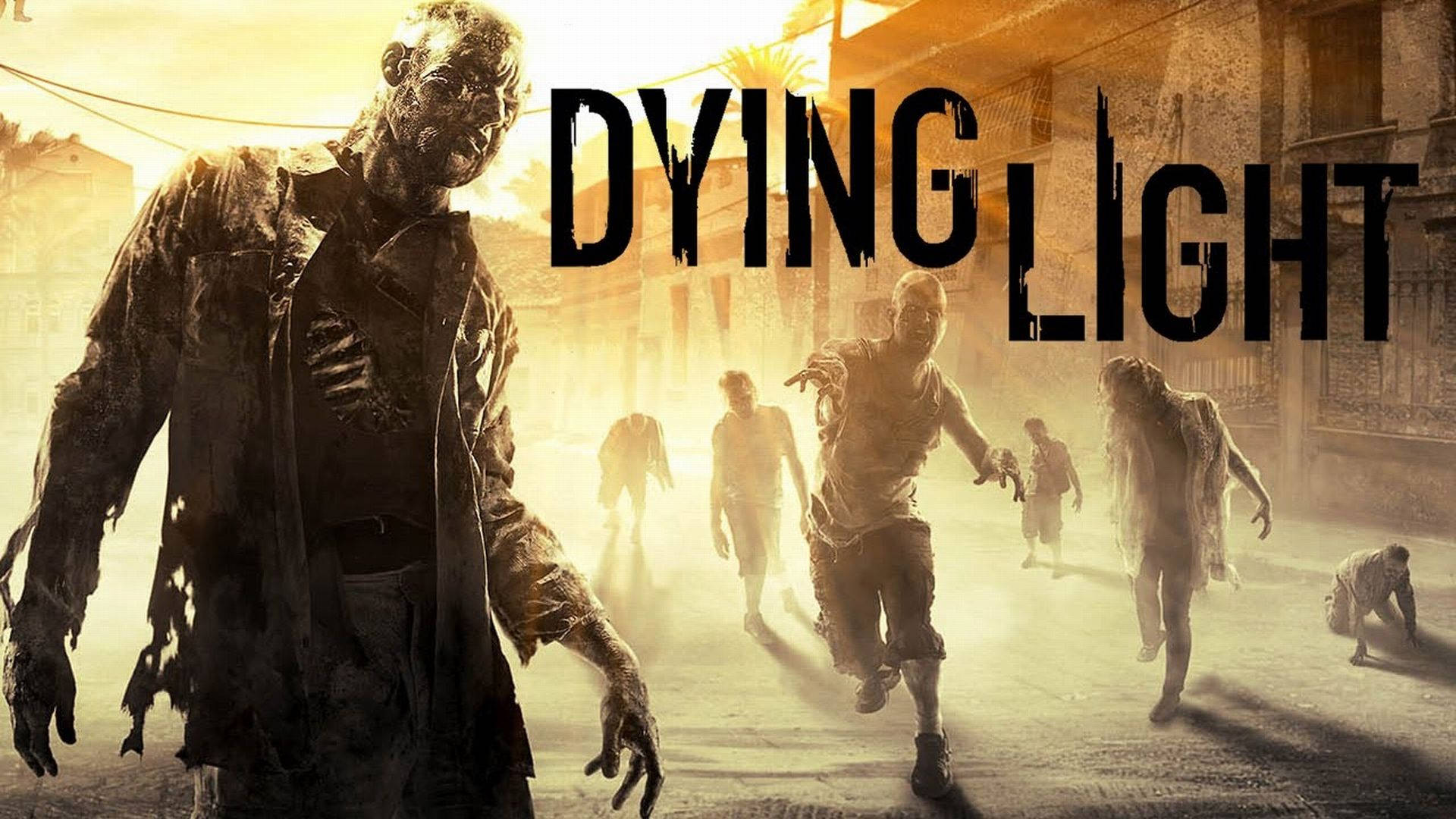
Dying Light (2015) by Techland is a first-person survival horror game that innovates within the zombie genre through its parkour movement, dynamic day-night cycle, and melee-focused combat. From a game design perspective, Dying Light successfully blends open-world traversal, RPG progression, and tense survival mechanics, but also has notable weaknesses in its mission structure, story execution, and balancing.
This review will analyze Dying Light through its core design pillars, gameplay loop, strengths, flaws, and "what-if" design changes that could have improved its execution.
Game Designer:
Tymon Smektała
Introduction
Dying Light (2015) by Techland is a first-person survival horror game that innovates within the zombie genre through its parkour movement, dynamic day-night cycle, and melee-focused combat. From a game design perspective, Dying Light successfully blends open-world traversal, RPG progression, and tense survival mechanics, but also has notable weaknesses in its mission structure, story execution, and balancing.
This review will analyze Dying Light through its core design pillars, gameplay loop, strengths, flaws, and "what-if" design changes that could have improved its execution.
Game Designer:
Tymon Smektała
Introduction
Dying Light (2015) by Techland is a first-person survival horror game that innovates within the zombie genre through its parkour movement, dynamic day-night cycle, and melee-focused combat. From a game design perspective, Dying Light successfully blends open-world traversal, RPG progression, and tense survival mechanics, but also has notable weaknesses in its mission structure, story execution, and balancing.
This review will analyze Dying Light through its core design pillars, gameplay loop, strengths, flaws, and "what-if" design changes that could have improved its execution.
Game Designer:
Tymon Smektała
Core Design Identity
Core Design Identity
Core Design Identity
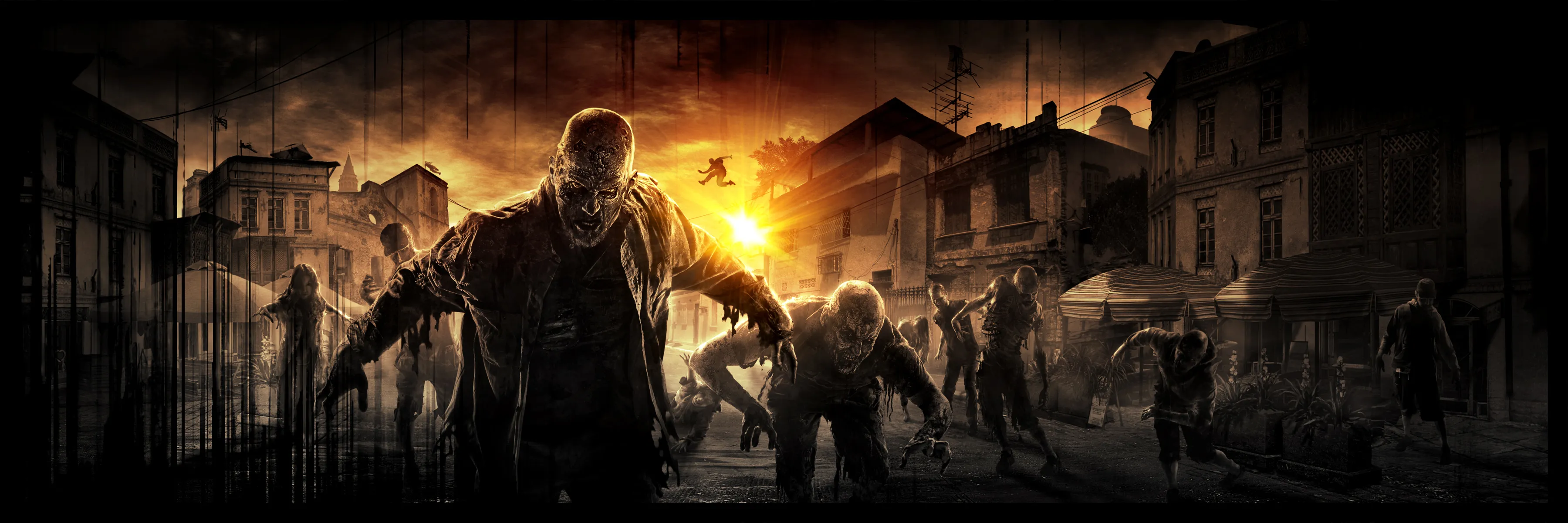
The strongest identity of Dying Light comes from one central philosophy:
Movement is survival
Height means temporary safety
Hesitation creates danger
The city is designed so every rooftop, balcony, vehicle, and broken ledge becomes part of a readable survival language.
Unlike traditional zombie games where the player dominates through firepower, here the environment itself becomes the first tool of survival.
This gives the game a very physical design identity.
The strongest identity of Dying Light comes from one central philosophy:
Movement is survival
Height means temporary safety
Hesitation creates danger
The city is designed so every rooftop, balcony, vehicle, and broken ledge becomes part of a readable survival language.
Unlike traditional zombie games where the player dominates through firepower, here the environment itself becomes the first tool of survival.
This gives the game a very physical design identity.
The strongest identity of Dying Light comes from one central philosophy:
Movement is survival
Height means temporary safety
Hesitation creates danger
The city is designed so every rooftop, balcony, vehicle, and broken ledge becomes part of a readable survival language.
Unlike traditional zombie games where the player dominates through firepower, here the environment itself becomes the first tool of survival.
This gives the game a very physical design identity.
Core Gameplay Loop
Core Gameplay Loop
Core Gameplay Loop
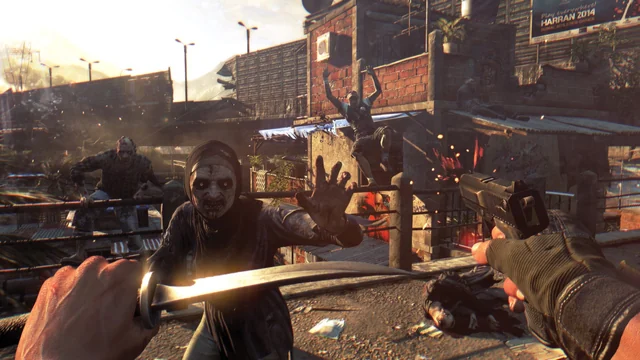
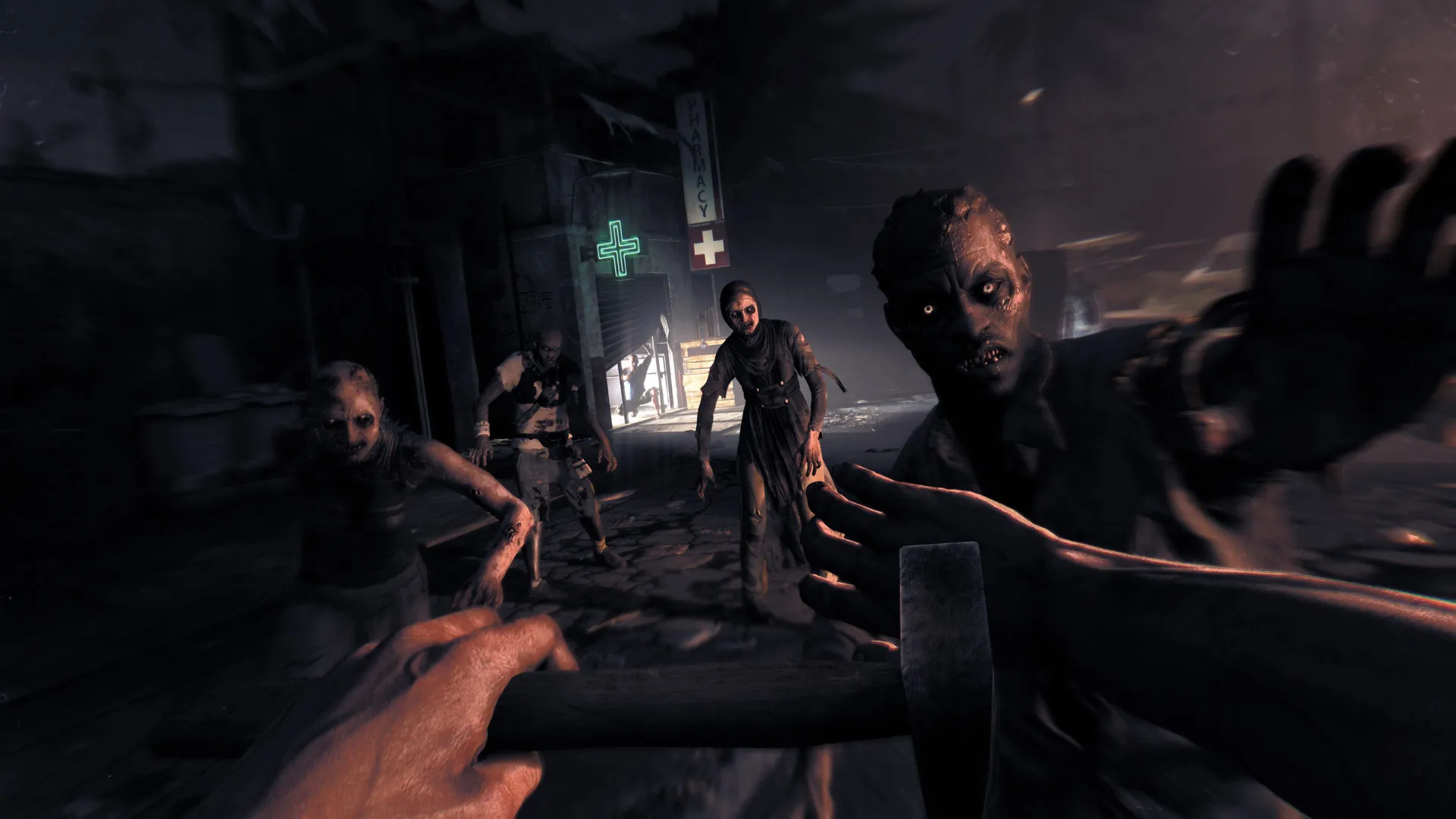
The gameplay loop constantly rotates between movement, scavenging, combat risk, and escape.
Main loop structure:
Explore abandoned urban spaces
Collect resources and weapon parts
Complete mission objectives
Avoid or fight infected
Return before night intensifies danger
The strongest layer is how night changes the loop completely.
During day:
Player controls tempo
During night:
Enemies control tempo
That shift creates natural pacing without changing the core world itself.
The gameplay loop constantly rotates between movement, scavenging, combat risk, and escape.
Main loop structure:
Explore abandoned urban spaces
Collect resources and weapon parts
Complete mission objectives
Avoid or fight infected
Return before night intensifies danger
The strongest layer is how night changes the loop completely.
During day:
Player controls tempo
During night:
Enemies control tempo
That shift creates natural pacing without changing the core world itself.
The gameplay loop constantly rotates between movement, scavenging, combat risk, and escape.
Main loop structure:
Explore abandoned urban spaces
Collect resources and weapon parts
Complete mission objectives
Avoid or fight infected
Return before night intensifies danger
The strongest layer is how night changes the loop completely.
During day:
Player controls tempo
During night:
Enemies control tempo
That shift creates natural pacing without changing the core world itself.
Level / Mission Design Ideology
Level / Mission Design Ideology
Level / Mission Design Ideology
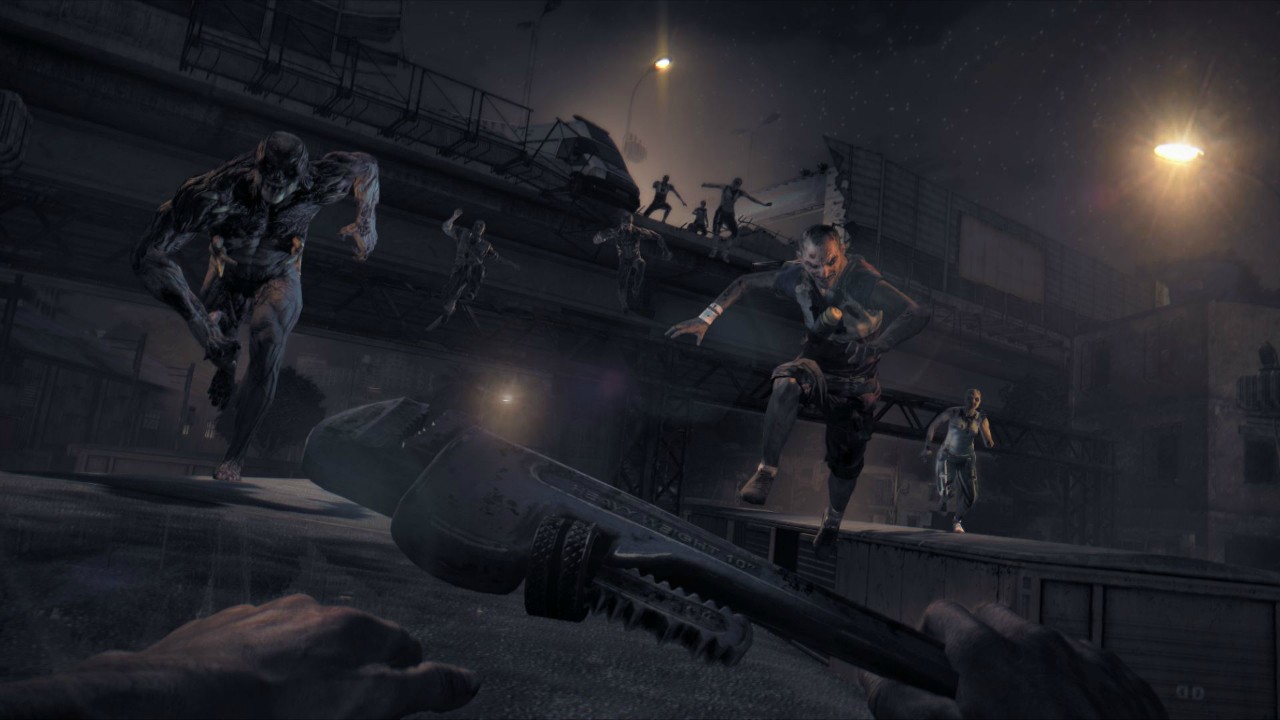
The level design is built around vertical readability.
The city never asks only:
where is the target?
It constantly asks:
what is the safest route to reach it?
Important design traits:
rooftops create fast movement lanes
streets create threat pressure
interiors create close survival tension
safe zones reset psychological pressure
Mission spaces often work best when they force players to improvise route logic under pressure rather than simply clearing enemies.
The level design is built around vertical readability.
The city never asks only:
where is the target?
It constantly asks:
what is the safest route to reach it?
Important design traits:
rooftops create fast movement lanes
streets create threat pressure
interiors create close survival tension
safe zones reset psychological pressure
Mission spaces often work best when they force players to improvise route logic under pressure rather than simply clearing enemies.
The level design is built around vertical readability.
The city never asks only:
where is the target?
It constantly asks:
what is the safest route to reach it?
Important design traits:
rooftops create fast movement lanes
streets create threat pressure
interiors create close survival tension
safe zones reset psychological pressure
Mission spaces often work best when they force players to improvise route logic under pressure rather than simply clearing enemies.
Player Agency
Player Agency
Player Agency
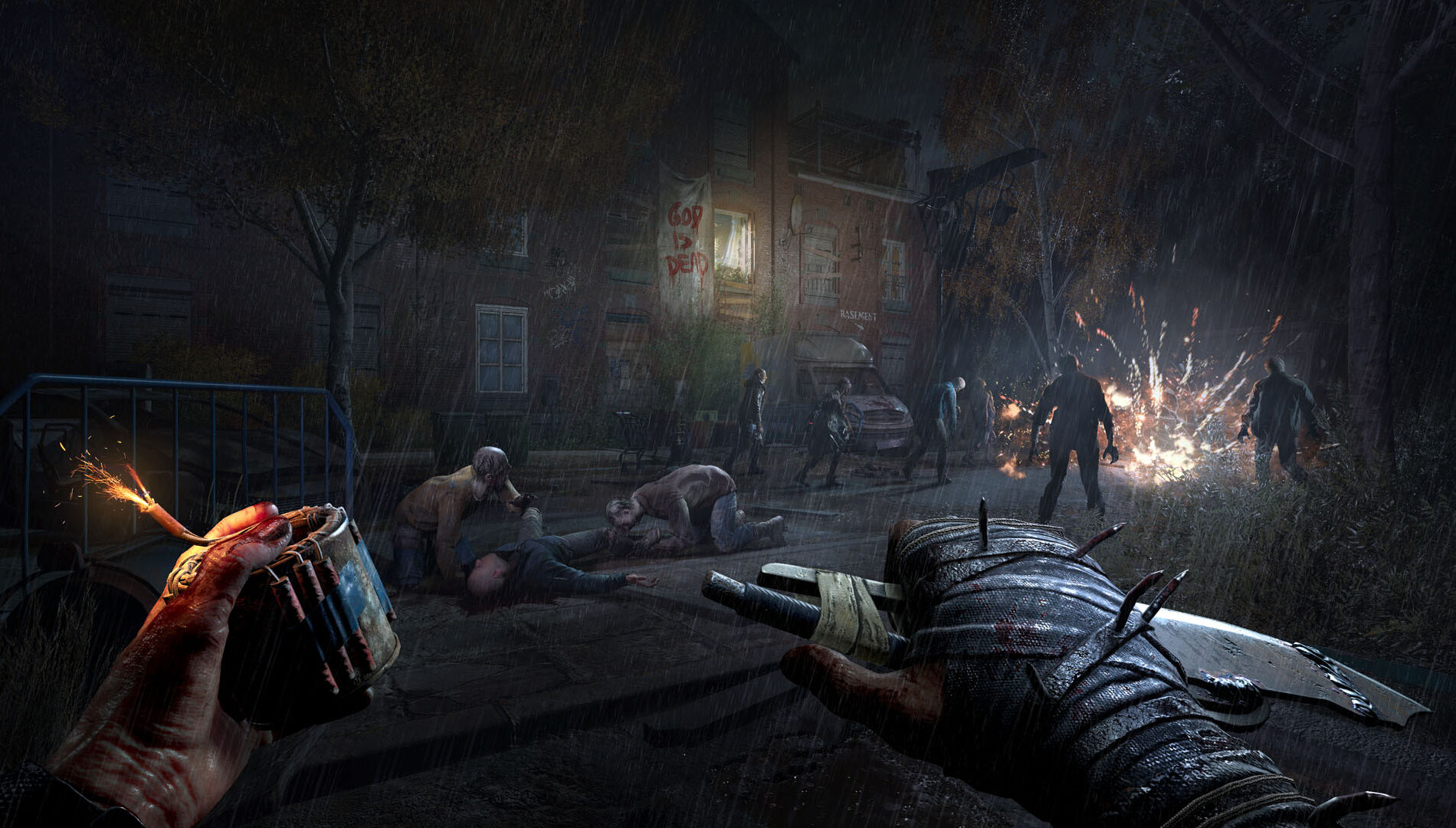
Player agency in Dying Light feels strong because movement decisions constantly belong to the player.
The player can:
escape instead of fight
use traps
stay elevated
enter interiors
delay combat until advantage appears
Even weapon durability supports agency because players must decide:
use power now or preserve resources later
That keeps every encounter slightly strategic.
Player agency in Dying Light feels strong because movement decisions constantly belong to the player.
The player can:
escape instead of fight
use traps
stay elevated
enter interiors
delay combat until advantage appears
Even weapon durability supports agency because players must decide:
use power now or preserve resources later
That keeps every encounter slightly strategic.
Player agency in Dying Light feels strong because movement decisions constantly belong to the player.
The player can:
escape instead of fight
use traps
stay elevated
enter interiors
delay combat until advantage appears
Even weapon durability supports agency because players must decide:
use power now or preserve resources later
That keeps every encounter slightly strategic.
Narrative Delivery
Narrative Delivery
Narrative Delivery
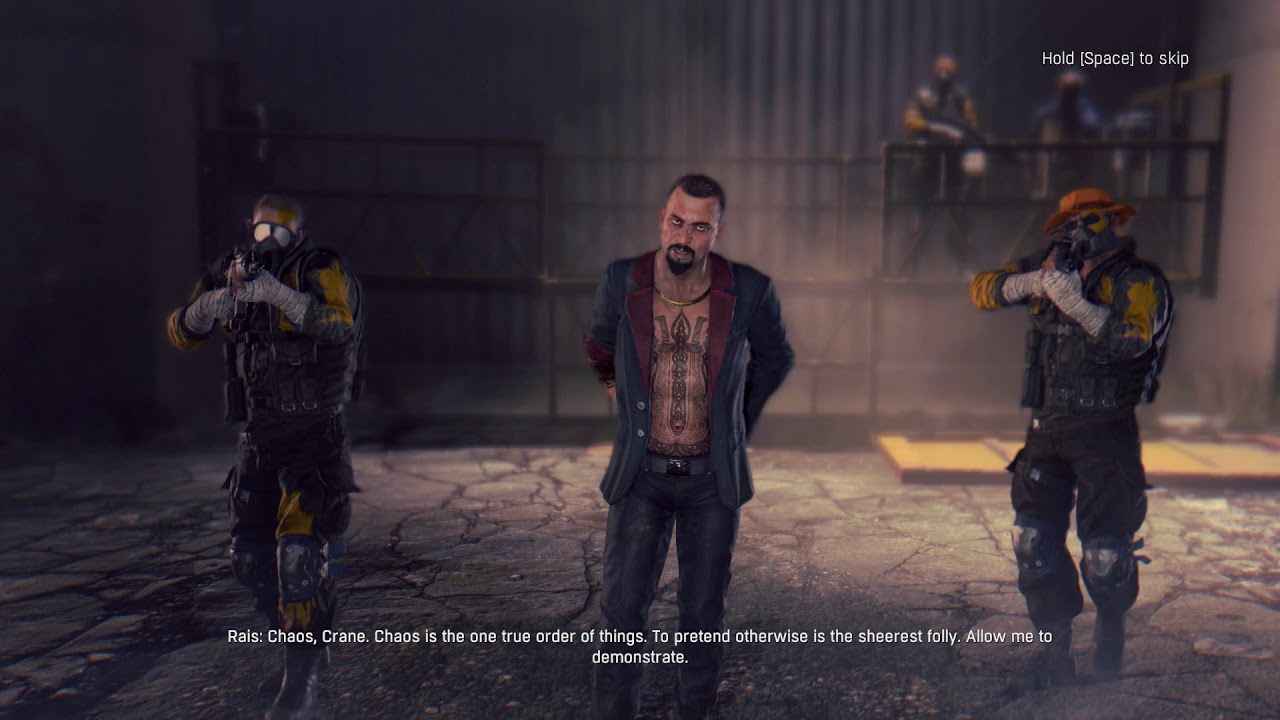
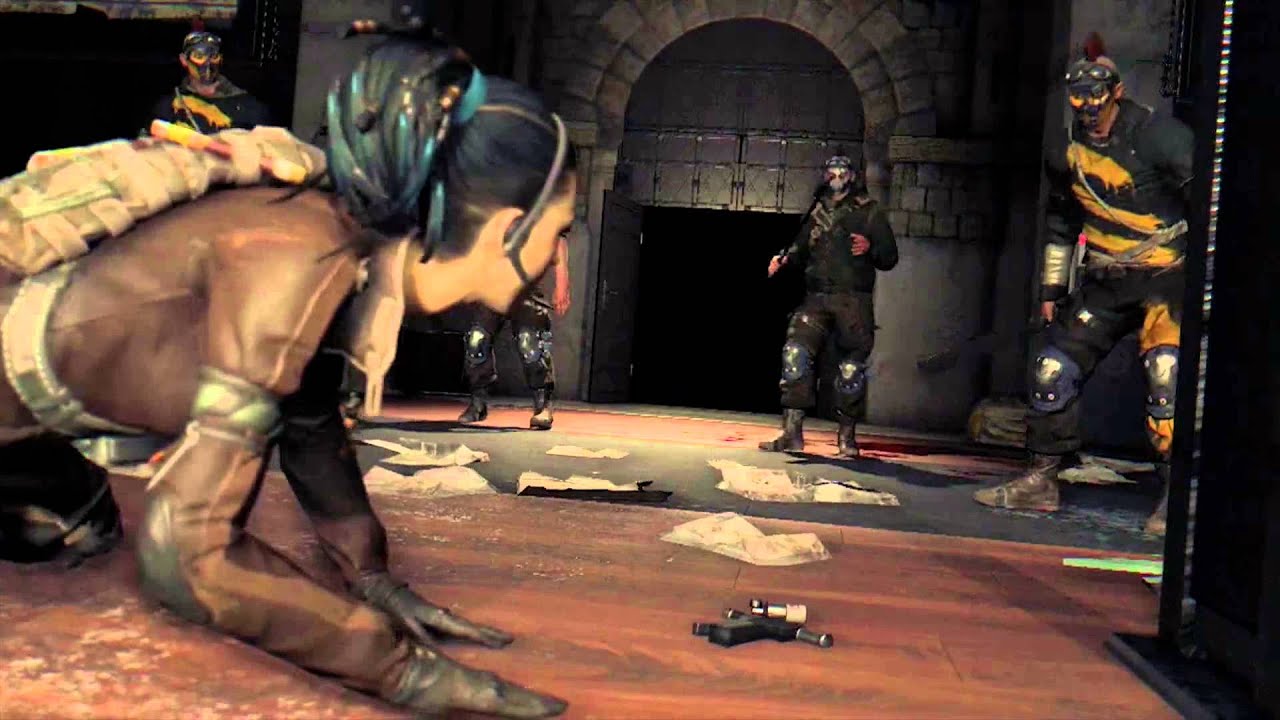
Narrative delivery works more through environment than direct story strength.
The city tells collapse through:
abandoned apartments
broken quarantine zones
survivor rooftops
emergency interiors
The strongest emotional storytelling happens when mission urgency and world danger overlap naturally.
The main story itself supports progression, but the environmental storytelling often leaves stronger memory than dialogue.
Narrative delivery works more through environment than direct story strength.
The city tells collapse through:
abandoned apartments
broken quarantine zones
survivor rooftops
emergency interiors
The strongest emotional storytelling happens when mission urgency and world danger overlap naturally.
The main story itself supports progression, but the environmental storytelling often leaves stronger memory than dialogue.
Narrative delivery works more through environment than direct story strength.
The city tells collapse through:
abandoned apartments
broken quarantine zones
survivor rooftops
emergency interiors
The strongest emotional storytelling happens when mission urgency and world danger overlap naturally.
The main story itself supports progression, but the environmental storytelling often leaves stronger memory than dialogue.
Design Strengths and Limitations
Design Strengths and Limitations
Design Strengths and Limitations
Strengths
parkour and combat are deeply connected
day-night cycle changes emotional pacing
world remains mechanically readable
Limitations
daytime progression becomes easier once player mastery increases
weapon progression eventually reduces fear in regular encounters
some missions depend too much on repeated objective structures
The strongest limitation is that player power grows faster than world threat in later progression.
Strengths
parkour and combat are deeply connected
day-night cycle changes emotional pacing
world remains mechanically readable
Limitations
daytime progression becomes easier once player mastery increases
weapon progression eventually reduces fear in regular encounters
some missions depend too much on repeated objective structures
The strongest limitation is that player power grows faster than world threat in later progression.
Strengths
parkour and combat are deeply connected
day-night cycle changes emotional pacing
world remains mechanically readable
Limitations
daytime progression becomes easier once player mastery increases
weapon progression eventually reduces fear in regular encounters
some missions depend too much on repeated objective structures
The strongest limitation is that player power grows faster than world threat in later progression.

What Works Exceptionally Well
What Works Exceptionally Well
What Works Exceptionally Well
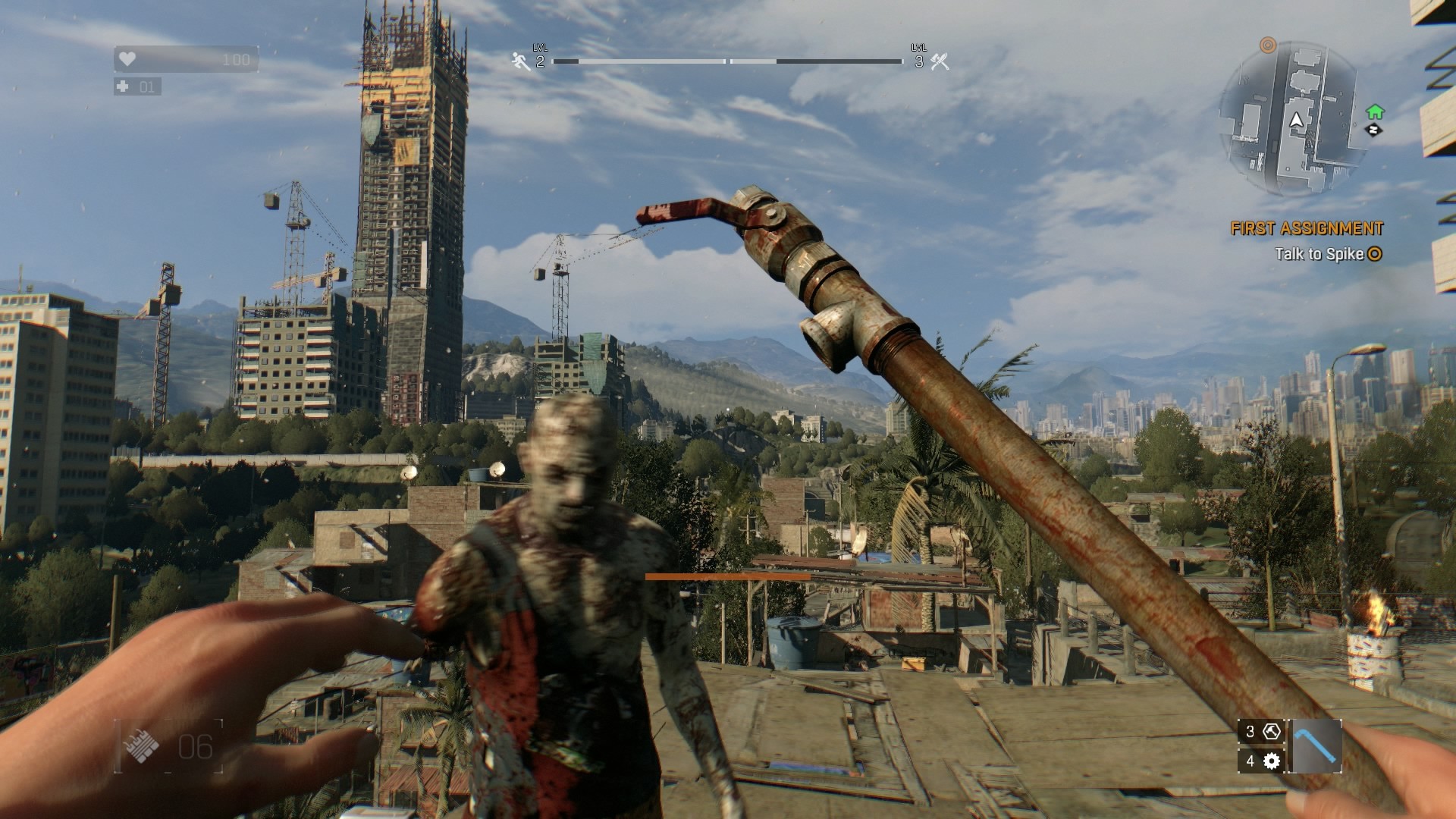
What Dying Light does exceptionally well is emotional contrast.
The same street can feel:
Manageable at noon
Super Terrifying at night
Awesome Boss Fights.
That single transformation makes the world memorable.
The game also succeeds because rooftops are not decoration — they are psychological relief.
That relationship between height and safety is one of the smartest spatial design choices in the game.
What Dying Light does exceptionally well is emotional contrast.
The same street can feel:
Manageable at noon
Super Terrifying at night
Awesome Boss Fights.
That single transformation makes the world memorable.
The game also succeeds because rooftops are not decoration — they are psychological relief.
That relationship between height and safety is one of the smartest spatial design choices in the game.
What Dying Light does exceptionally well is emotional contrast.
The same street can feel:
Manageable at noon
Super Terrifying at night
Awesome Boss Fights.
That single transformation makes the world memorable.
The game also succeeds because rooftops are not decoration — they are psychological relief.
That relationship between height and safety is one of the smartest spatial design choices in the game.
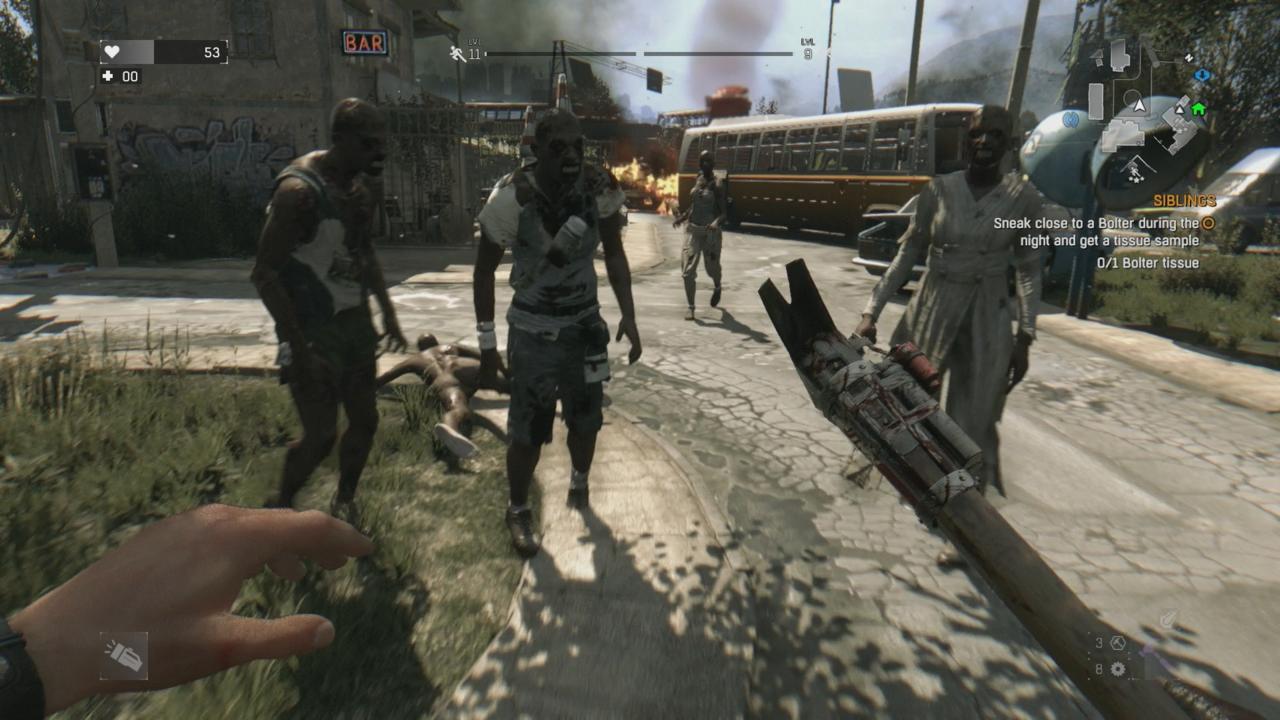
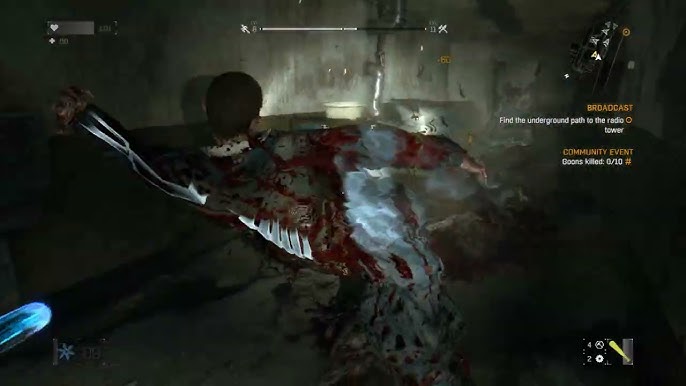
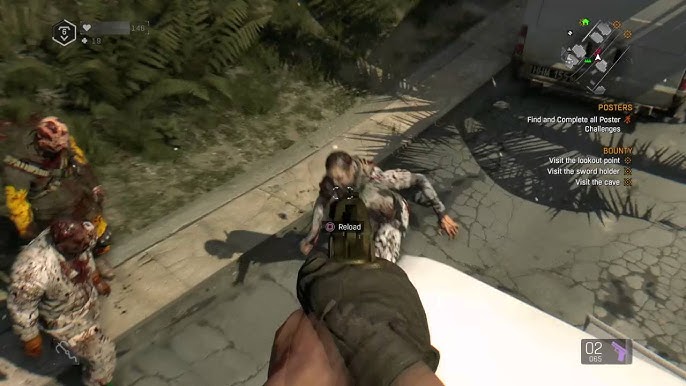
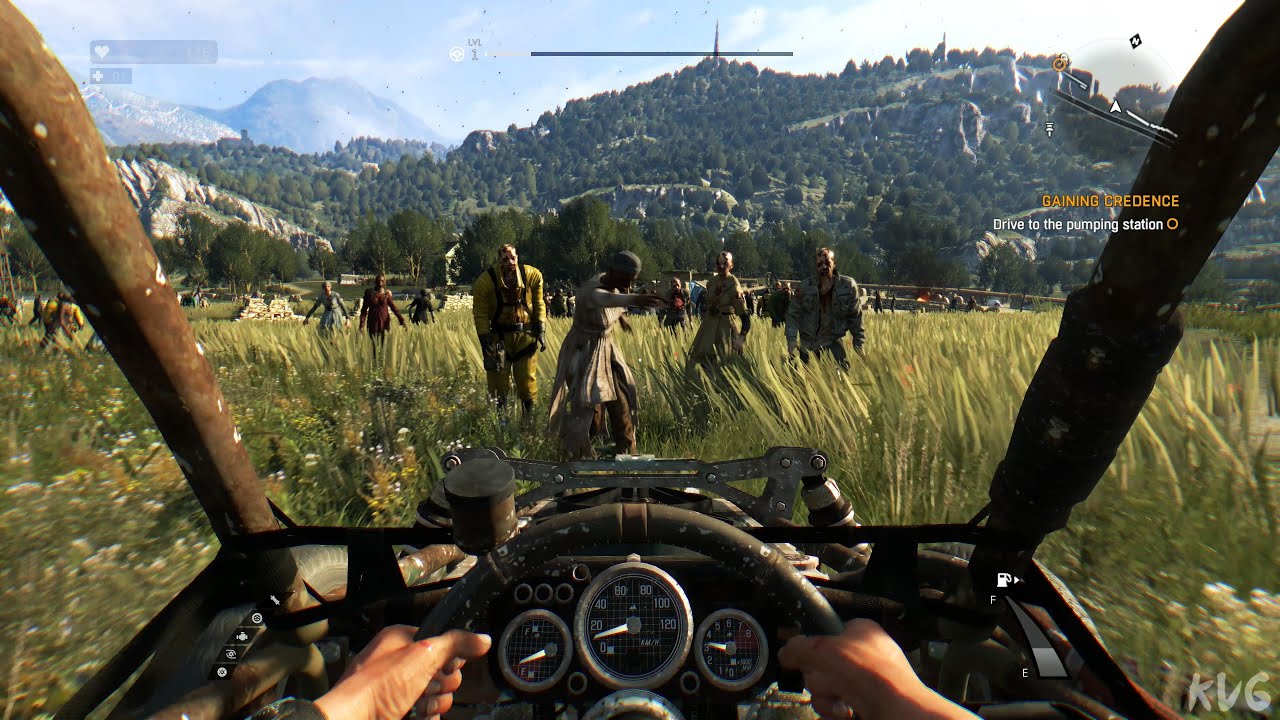
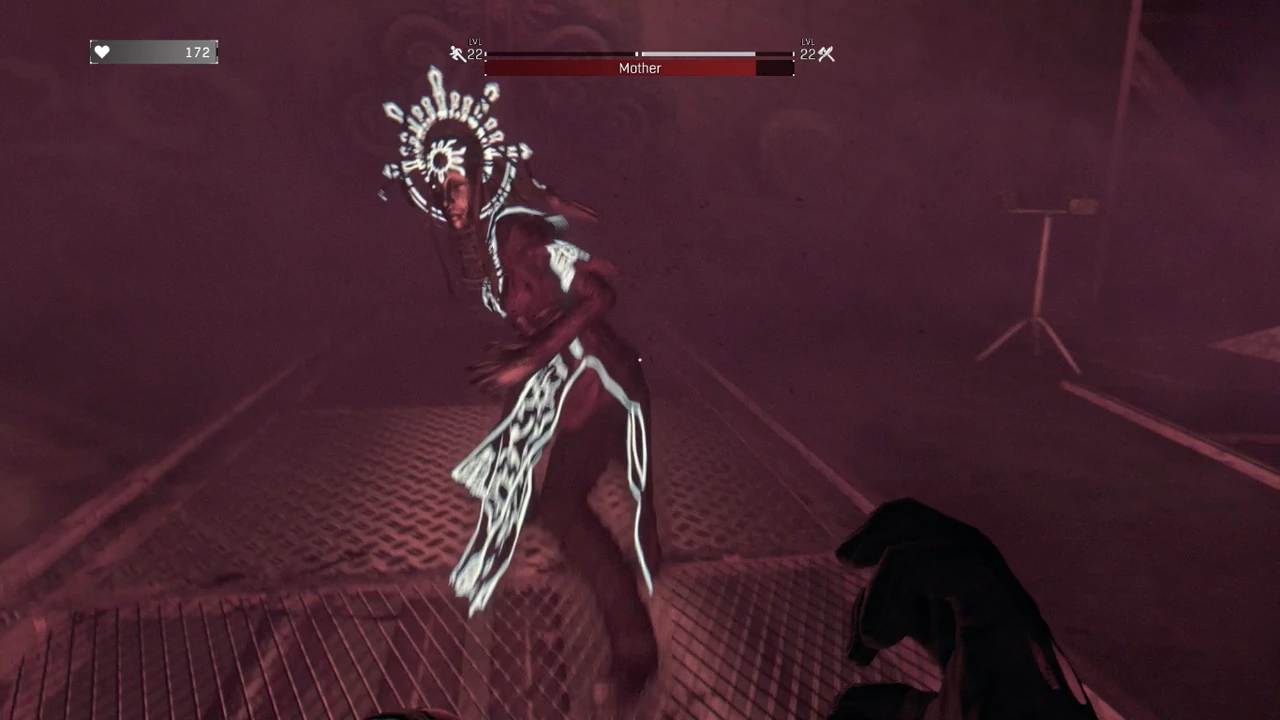
In GAME SCREENSHOTS
In GAME SCREENSHOTS
In GAME SCREENSHOTS
What I Learned as a Designer
What I Learned as a Designer
What I Learned as a Designer
Dying Light proves that if one mechanic is strong enough, it can shape every other system around it.
The biggest lesson is:
movement should not only transport the player — it should define how the player thinks.
It also shows how powerful environmental contrast can be when one map produces two completely different emotional states without needing a second world.
Dying Light proves that if one mechanic is strong enough, it can shape every other system around it.
The biggest lesson is:
movement should not only transport the player — it should define how the player thinks.
It also shows how powerful environmental contrast can be when one map produces two completely different emotional states without needing a second world.
Dying Light proves that if one mechanic is strong enough, it can shape every other system around it.
The biggest lesson is:
movement should not only transport the player — it should define how the player thinks.
It also shows how powerful environmental contrast can be when one map produces two completely different emotional states without needing a second world.
WHAT IF ? WHAT IF ?
WHAT IF ? WHAT IF ?
More Blogs More Blogs



Let'S WORK
TOGETHER
BASED IN INDIA

GAME DESIGNER
Let'S WORK
TOGETHER
BASED IN INDIA
GAME DESIGNER
Let'S WORK
TOGETHER
Let'S WORK
TOGETHER
BASED IN INDIA
GAME DESIGNER