Elden Ring
Elden Ring
Elden Ring
INTRODUTION
Elden Ring is FromSoftware’s open-world action RPG set in the Lands Between, a world shattered after the Elden Ring broke and the demigods claimed its Great Runes. The game was created under the guidance of Hidetaka Miyazaki, with worldbuilding collaboration from George R. R. Martin, and it immediately stood out as a major shift for the studio because it translated FromSoftware’s usual harsh, tightly controlled design into a much wider and more freely explored structure.
GAME DESIGNERS
Hidetaka Miyazaki — director and primary design lead.
George R. R. Martin — mythic worldbuilding and background fiction.
The game’s impact was enormous: it won Game of the Year at The Game Awards 2022, and the ceremony recap explicitly highlighted Elden Ring as the GOTY winner.
INTRODUTION
Elden Ring is FromSoftware’s open-world action RPG set in the Lands Between, a world shattered after the Elden Ring broke and the demigods claimed its Great Runes. The game was created under the guidance of Hidetaka Miyazaki, with worldbuilding collaboration from George R. R. Martin, and it immediately stood out as a major shift for the studio because it translated FromSoftware’s usual harsh, tightly controlled design into a much wider and more freely explored structure.
GAME DESIGNERS
Hidetaka Miyazaki — director and primary design lead.
George R. R. Martin — mythic worldbuilding and background fiction.
The game’s impact was enormous: it won Game of the Year at The Game Awards 2022, and the ceremony recap explicitly highlighted Elden Ring as the GOTY winner.
INTRODUTION
Elden Ring is FromSoftware’s open-world action RPG set in the Lands Between, a world shattered after the Elden Ring broke and the demigods claimed its Great Runes. The game was created under the guidance of Hidetaka Miyazaki, with worldbuilding collaboration from George R. R. Martin, and it immediately stood out as a major shift for the studio because it translated FromSoftware’s usual harsh, tightly controlled design into a much wider and more freely explored structure.
GAME DESIGNERS
Hidetaka Miyazaki — director and primary design lead.
George R. R. Martin — mythic worldbuilding and background fiction.
The game’s impact was enormous: it won Game of the Year at The Game Awards 2022, and the ceremony recap explicitly highlighted Elden Ring as the GOTY winner.
Core Design Identity
Core Design Identity
Core Design Identity
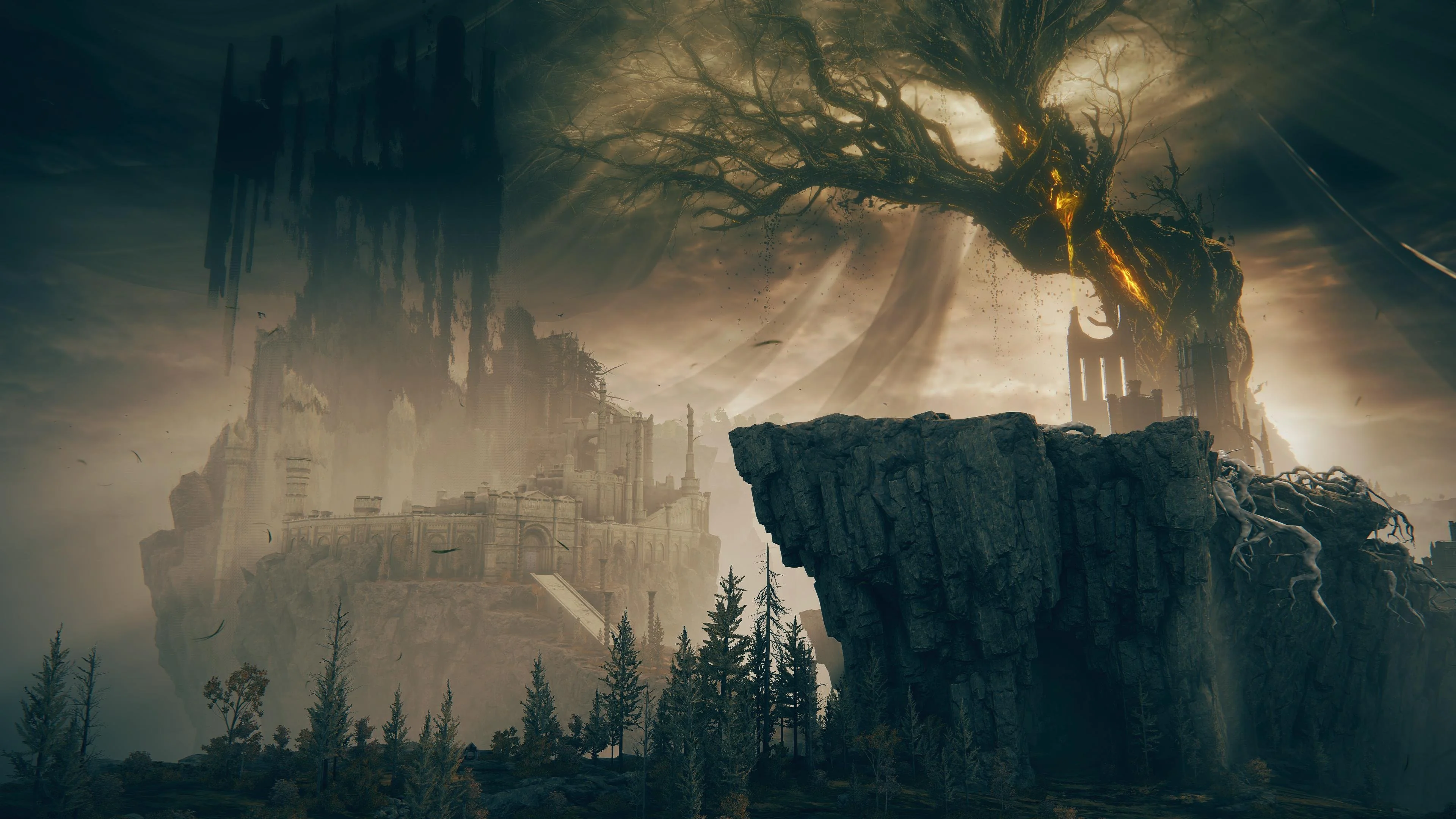
Elden Ring’s core identity is freedom under danger. The game gives the player a huge world to explore, but every path still feels like it might punish overconfidence. The official site frames the Lands Between as a vast fantasy world with “shadowy, complex dungeons” connected seamlessly, while review coverage repeatedly notes that the game preserves FromSoftware’s signature tension even while opening the structure dramatically.
The strongest identity points are:
Exploration with consequence. The player is constantly tempted to stray from the critical path, and that curiosity is part of the intended design.
Boss-driven identity. Bosses remain central not just as obstacles, but as major landmarks of the experience. Reviewers consistently describe them as massive, terrifying, or thrill-heavy encounters.
Tension balanced by possibility. When a challenge feels impossible, the open world gives the player space to back off, explore, and return stronger instead of forcing a single failure state.
Elden Ring’s core identity is freedom under danger. The game gives the player a huge world to explore, but every path still feels like it might punish overconfidence. The official site frames the Lands Between as a vast fantasy world with “shadowy, complex dungeons” connected seamlessly, while review coverage repeatedly notes that the game preserves FromSoftware’s signature tension even while opening the structure dramatically.
The strongest identity points are:
Exploration with consequence. The player is constantly tempted to stray from the critical path, and that curiosity is part of the intended design.
Boss-driven identity. Bosses remain central not just as obstacles, but as major landmarks of the experience. Reviewers consistently describe them as massive, terrifying, or thrill-heavy encounters.
Tension balanced by possibility. When a challenge feels impossible, the open world gives the player space to back off, explore, and return stronger instead of forcing a single failure state.
Elden Ring’s core identity is freedom under danger. The game gives the player a huge world to explore, but every path still feels like it might punish overconfidence. The official site frames the Lands Between as a vast fantasy world with “shadowy, complex dungeons” connected seamlessly, while review coverage repeatedly notes that the game preserves FromSoftware’s signature tension even while opening the structure dramatically.
The strongest identity points are:
Exploration with consequence. The player is constantly tempted to stray from the critical path, and that curiosity is part of the intended design.
Boss-driven identity. Bosses remain central not just as obstacles, but as major landmarks of the experience. Reviewers consistently describe them as massive, terrifying, or thrill-heavy encounters.
Tension balanced by possibility. When a challenge feels impossible, the open world gives the player space to back off, explore, and return stronger instead of forcing a single failure state.
Core Gameplay Loop
Core Gameplay Loop
Core Gameplay Loop
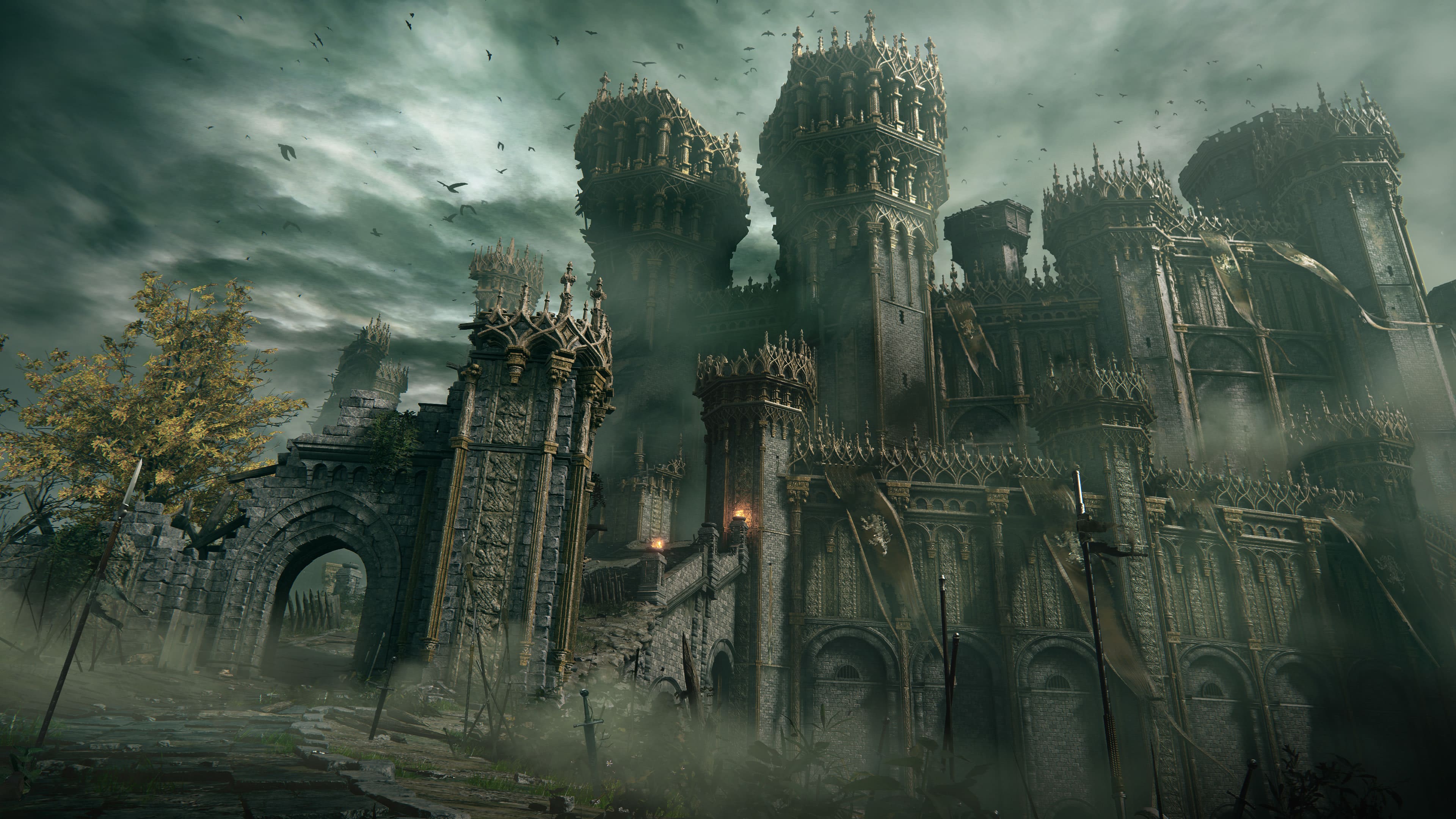
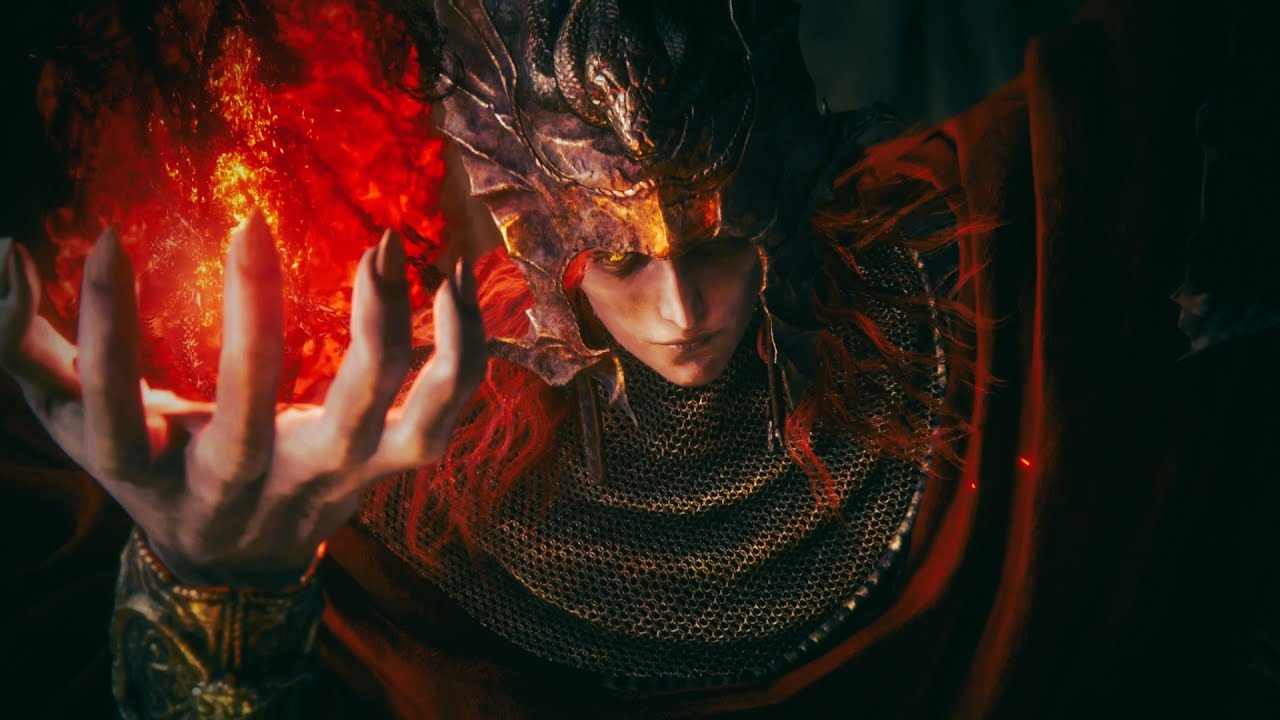
The loop in Elden Ring is simple on the surface, but layered in execution:
Explore an unknown region.
Discover enemies, secrets, and optional structures.
Fight or avoid danger.
Collect runes, gear, and upgrades.
Return stronger, then push deeper again.
This loop works because the open world is not merely a big map; it is a decision-making machine. The player is always deciding whether to continue forward, retreat, or detour into a different region. PC Gamer specifically praised how the “freewheeling open world” and accessibility concessions help when a player gets stuck, because there is usually something else to do rather than smash into the same wall repeatedly.
A major design strength here is the coexistence of two gameplay rhythms:
open-world wandering for discovery and recovery
legacy dungeon density for tight Souls-style pressure
That balance keeps the game from becoming either too scattered or too rigid.
The loop in Elden Ring is simple on the surface, but layered in execution:
Explore an unknown region.
Discover enemies, secrets, and optional structures.
Fight or avoid danger.
Collect runes, gear, and upgrades.
Return stronger, then push deeper again.
This loop works because the open world is not merely a big map; it is a decision-making machine. The player is always deciding whether to continue forward, retreat, or detour into a different region. PC Gamer specifically praised how the “freewheeling open world” and accessibility concessions help when a player gets stuck, because there is usually something else to do rather than smash into the same wall repeatedly.
A major design strength here is the coexistence of two gameplay rhythms:
open-world wandering for discovery and recovery
legacy dungeon density for tight Souls-style pressure
That balance keeps the game from becoming either too scattered or too rigid.
The loop in Elden Ring is simple on the surface, but layered in execution:
Explore an unknown region.
Discover enemies, secrets, and optional structures.
Fight or avoid danger.
Collect runes, gear, and upgrades.
Return stronger, then push deeper again.
This loop works because the open world is not merely a big map; it is a decision-making machine. The player is always deciding whether to continue forward, retreat, or detour into a different region. PC Gamer specifically praised how the “freewheeling open world” and accessibility concessions help when a player gets stuck, because there is usually something else to do rather than smash into the same wall repeatedly.
A major design strength here is the coexistence of two gameplay rhythms:
open-world wandering for discovery and recovery
legacy dungeon density for tight Souls-style pressure
That balance keeps the game from becoming either too scattered or too rigid.
Level / Mission Design Ideology
Level / Mission Design Ideology
Level / Mission Design Ideology
Elden Ring’s mission ideology is built around self-directed progression inside authored danger. The world is open, but it is not loose. Every region still feels intentionally shaped to guide curiosity into risk.
Important mission and level design ideas:
The world teaches through landmarks. The player learns where to go by reading terrain, architecture, and threat placement rather than following constant UI instruction.
Legacy dungeons preserve tight design. PC Gamer noted that Elden Ring keeps FromSoftware’s signature level density through legacy dungeons and interior spaces, so the game does not abandon the strengths of its earlier work.
Open space is used as pacing relief. The open world is not only for scale; it gives the player breathing room between intense encounters and lets the difficulty curve feel self-managed.
Enemies and bosses are part of the route system. The world places hostile encounters where they shape movement decisions, not just combat moments.
What is especially smart is that the player’s next objective often feels like a choice, not a command. That makes the game feel exploratory even when it is still strongly authored.
Elden Ring’s mission ideology is built around self-directed progression inside authored danger. The world is open, but it is not loose. Every region still feels intentionally shaped to guide curiosity into risk.
Important mission and level design ideas:
The world teaches through landmarks. The player learns where to go by reading terrain, architecture, and threat placement rather than following constant UI instruction.
Legacy dungeons preserve tight design. PC Gamer noted that Elden Ring keeps FromSoftware’s signature level density through legacy dungeons and interior spaces, so the game does not abandon the strengths of its earlier work.
Open space is used as pacing relief. The open world is not only for scale; it gives the player breathing room between intense encounters and lets the difficulty curve feel self-managed.
Enemies and bosses are part of the route system. The world places hostile encounters where they shape movement decisions, not just combat moments.
What is especially smart is that the player’s next objective often feels like a choice, not a command. That makes the game feel exploratory even when it is still strongly authored.
Elden Ring’s mission ideology is built around self-directed progression inside authored danger. The world is open, but it is not loose. Every region still feels intentionally shaped to guide curiosity into risk.
Important mission and level design ideas:
The world teaches through landmarks. The player learns where to go by reading terrain, architecture, and threat placement rather than following constant UI instruction.
Legacy dungeons preserve tight design. PC Gamer noted that Elden Ring keeps FromSoftware’s signature level density through legacy dungeons and interior spaces, so the game does not abandon the strengths of its earlier work.
Open space is used as pacing relief. The open world is not only for scale; it gives the player breathing room between intense encounters and lets the difficulty curve feel self-managed.
Enemies and bosses are part of the route system. The world places hostile encounters where they shape movement decisions, not just combat moments.
What is especially smart is that the player’s next objective often feels like a choice, not a command. That makes the game feel exploratory even when it is still strongly authored.
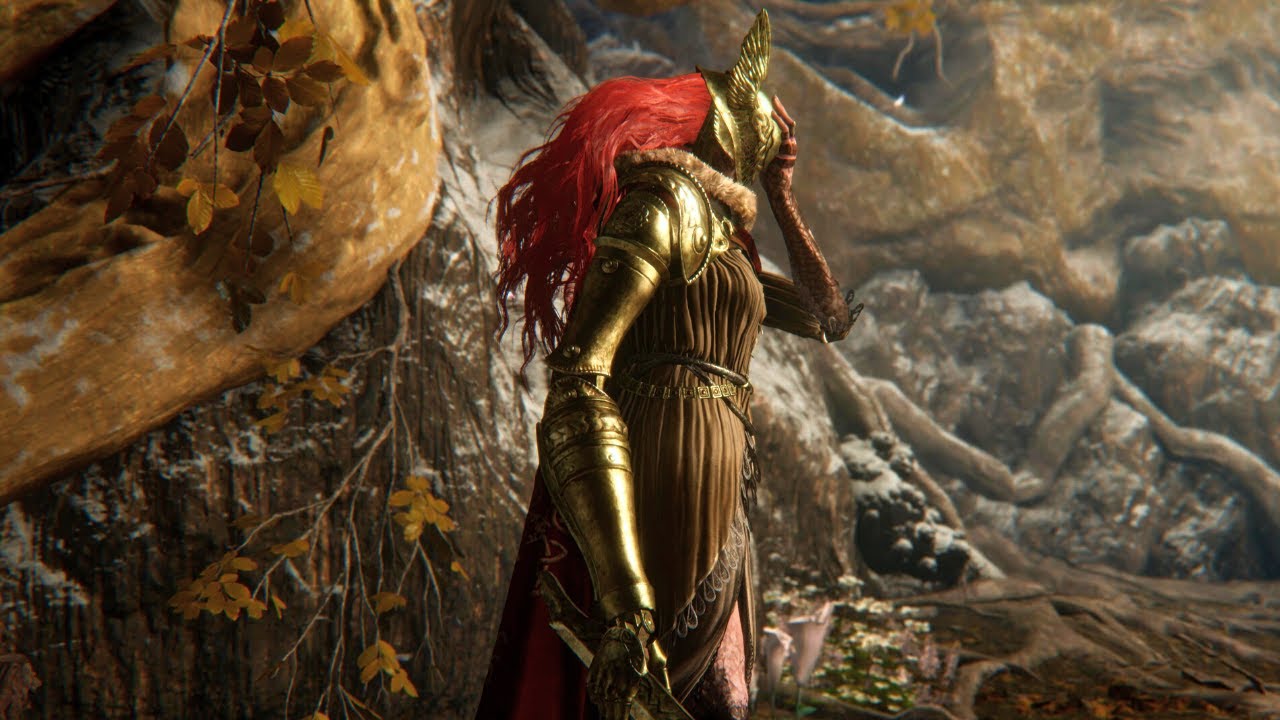
Player Agency
Player Agency
Player Agency
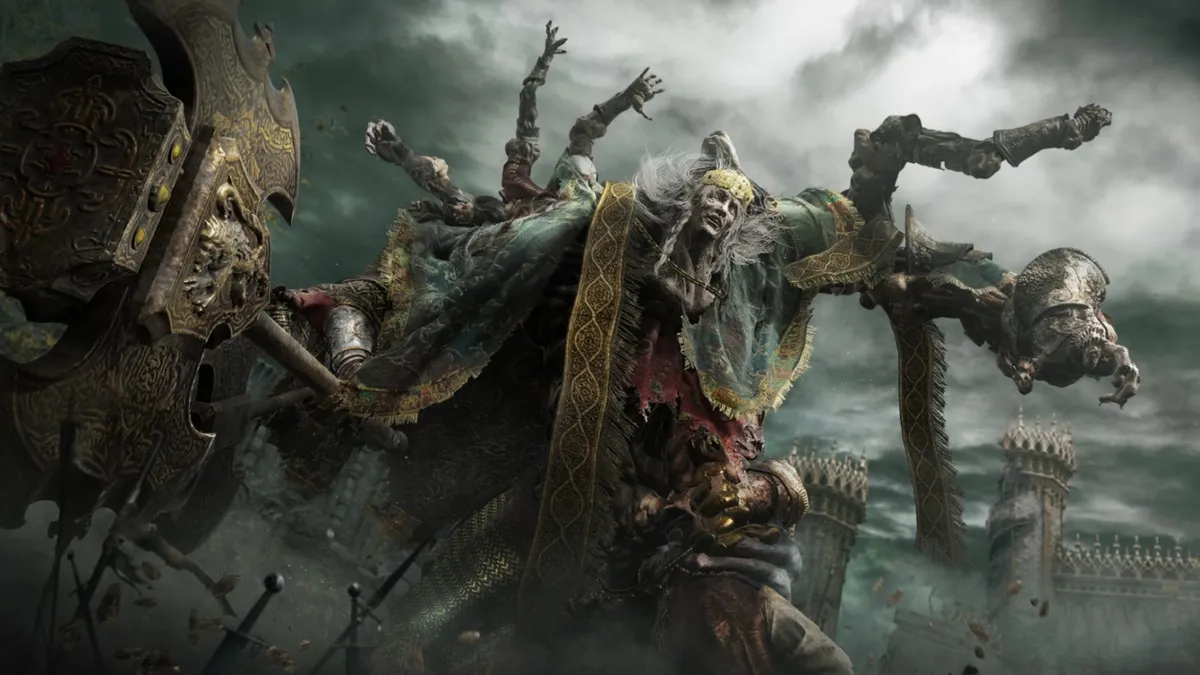
Elden Ring gives some of the strongest agency in the genre because the player can approach difficulty in multiple ways:
ride away and explore another area
summon help
change builds
use horseback traversal
choose different boss routes
come back later with better gear or knowledge
That freedom is what made the game feel more approachable to many critics than earlier FromSoftware titles. PC Gamer explicitly noted that the open world “solves” the frustration of being stuck because there is more the player can do when blocked.
This is strong design because agency is not only combat choice. It is pacing choice.
You are constantly deciding:
whether the moment is worth the risk
whether the reward justifies the attempt
whether your current build supports the challenge
That creates player ownership over progression rather than simple map completion.
Elden Ring gives some of the strongest agency in the genre because the player can approach difficulty in multiple ways:
ride away and explore another area
summon help
change builds
use horseback traversal
choose different boss routes
come back later with better gear or knowledge
That freedom is what made the game feel more approachable to many critics than earlier FromSoftware titles. PC Gamer explicitly noted that the open world “solves” the frustration of being stuck because there is more the player can do when blocked.
This is strong design because agency is not only combat choice. It is pacing choice.
You are constantly deciding:
whether the moment is worth the risk
whether the reward justifies the attempt
whether your current build supports the challenge
That creates player ownership over progression rather than simple map completion.
Elden Ring gives some of the strongest agency in the genre because the player can approach difficulty in multiple ways:
ride away and explore another area
summon help
change builds
use horseback traversal
choose different boss routes
come back later with better gear or knowledge
That freedom is what made the game feel more approachable to many critics than earlier FromSoftware titles. PC Gamer explicitly noted that the open world “solves” the frustration of being stuck because there is more the player can do when blocked.
This is strong design because agency is not only combat choice. It is pacing choice.
You are constantly deciding:
whether the moment is worth the risk
whether the reward justifies the attempt
whether your current build supports the challenge
That creates player ownership over progression rather than simple map completion.
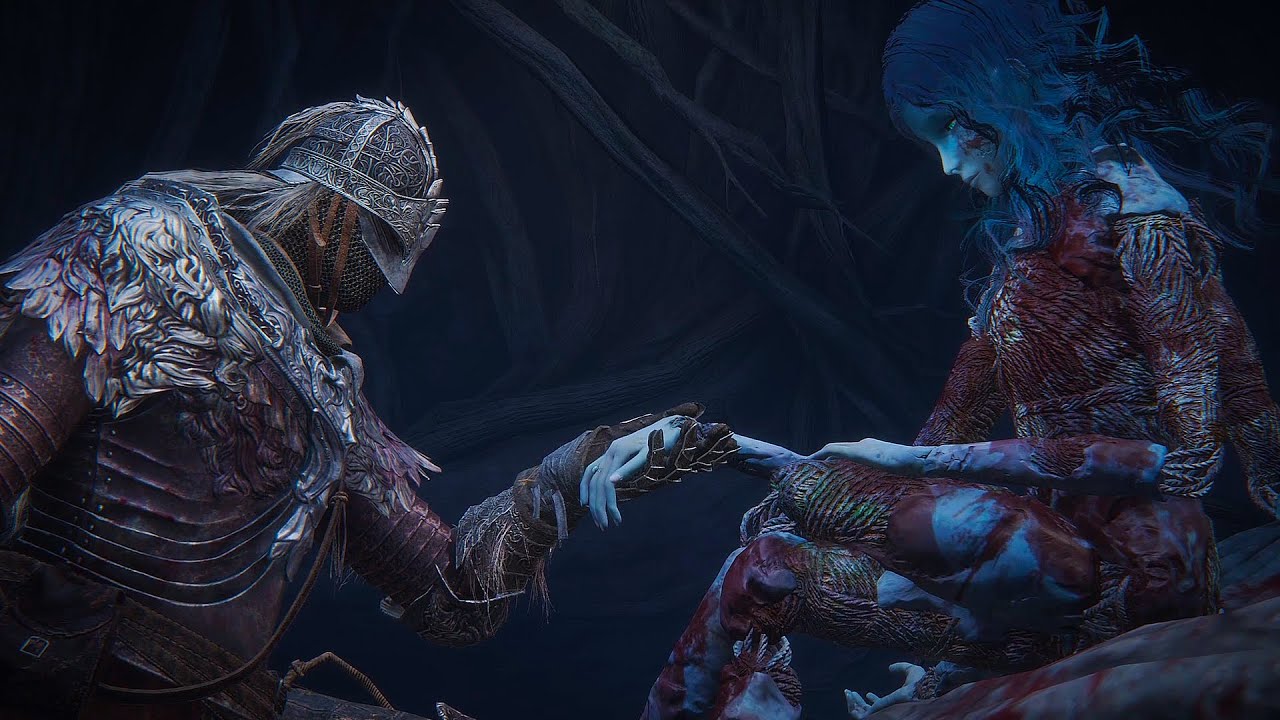
Narrative Delivery
Narrative Delivery
Narrative Delivery
Elden Ring’s narrative is delivered through mythic fragments rather than direct storytelling. The world’s fiction comes from the broken state of the Elden Ring, the demigods’ war over the Great Runes, and the player’s role as a Tarnished returning to a world that rejected them. The official site frames the story as a shattered golden order, a war of demigods, and a journey to become Elden Lord.
What is especially effective is how the game builds narrative through:
enemy identity
environmental ruin
item descriptions
dungeon themes
NPC motivations
hidden lore fragments
The official site even stresses that the player encounters adversaries with profound backgrounds and characters with unique motivations for helping or hindering progress.
That means the story is not just about “what happened,” but about how broken power shaped the entire world.
A major narrative strength is that the player pieces together meaning through exploration, which makes discovery feel earned rather than explained.
Elden Ring’s narrative is delivered through mythic fragments rather than direct storytelling. The world’s fiction comes from the broken state of the Elden Ring, the demigods’ war over the Great Runes, and the player’s role as a Tarnished returning to a world that rejected them. The official site frames the story as a shattered golden order, a war of demigods, and a journey to become Elden Lord.
What is especially effective is how the game builds narrative through:
enemy identity
environmental ruin
item descriptions
dungeon themes
NPC motivations
hidden lore fragments
The official site even stresses that the player encounters adversaries with profound backgrounds and characters with unique motivations for helping or hindering progress.
That means the story is not just about “what happened,” but about how broken power shaped the entire world.
A major narrative strength is that the player pieces together meaning through exploration, which makes discovery feel earned rather than explained.
Elden Ring’s narrative is delivered through mythic fragments rather than direct storytelling. The world’s fiction comes from the broken state of the Elden Ring, the demigods’ war over the Great Runes, and the player’s role as a Tarnished returning to a world that rejected them. The official site frames the story as a shattered golden order, a war of demigods, and a journey to become Elden Lord.
What is especially effective is how the game builds narrative through:
enemy identity
environmental ruin
item descriptions
dungeon themes
NPC motivations
hidden lore fragments
The official site even stresses that the player encounters adversaries with profound backgrounds and characters with unique motivations for helping or hindering progress.
That means the story is not just about “what happened,” but about how broken power shaped the entire world.
A major narrative strength is that the player pieces together meaning through exploration, which makes discovery feel earned rather than explained.
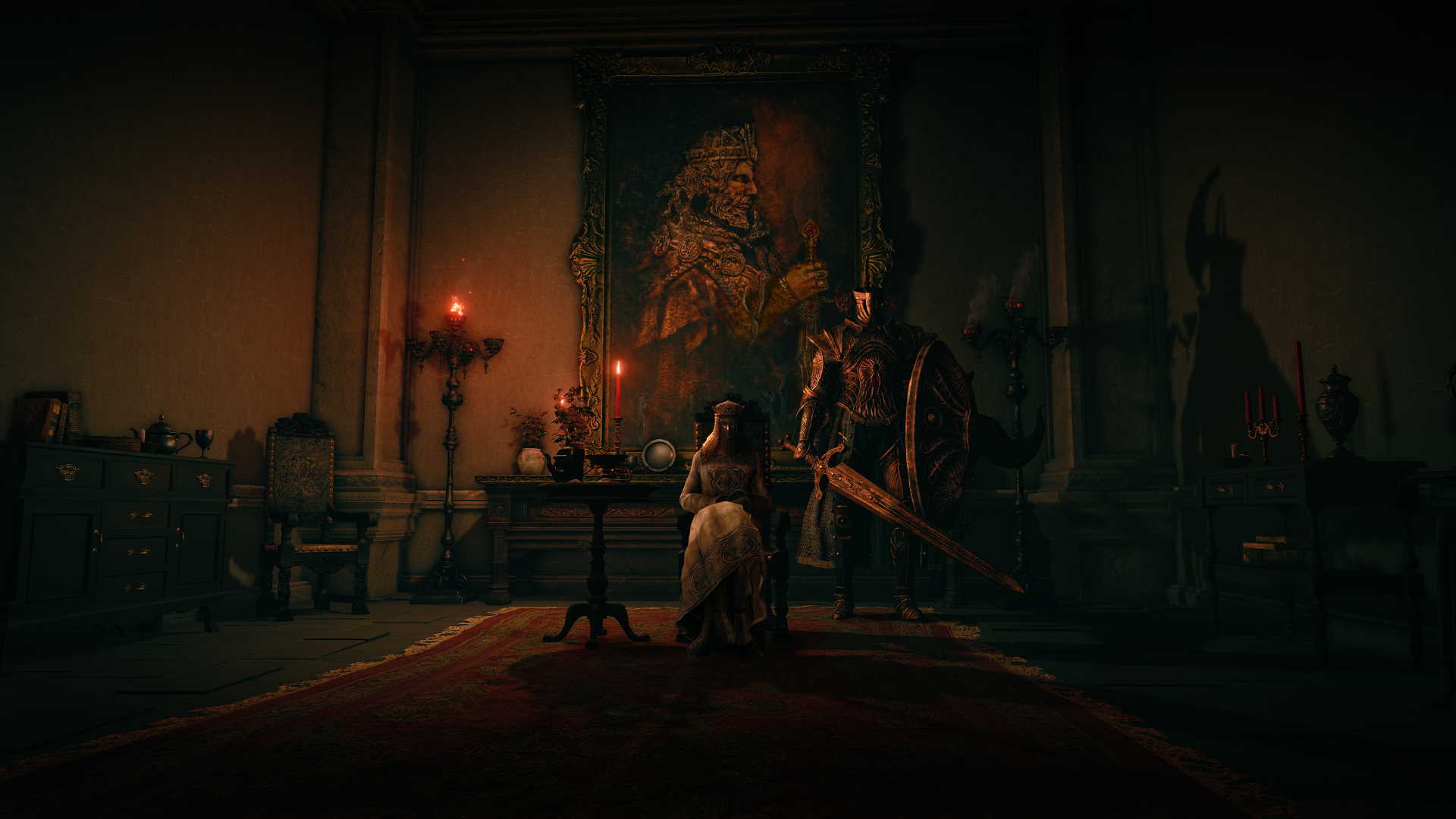
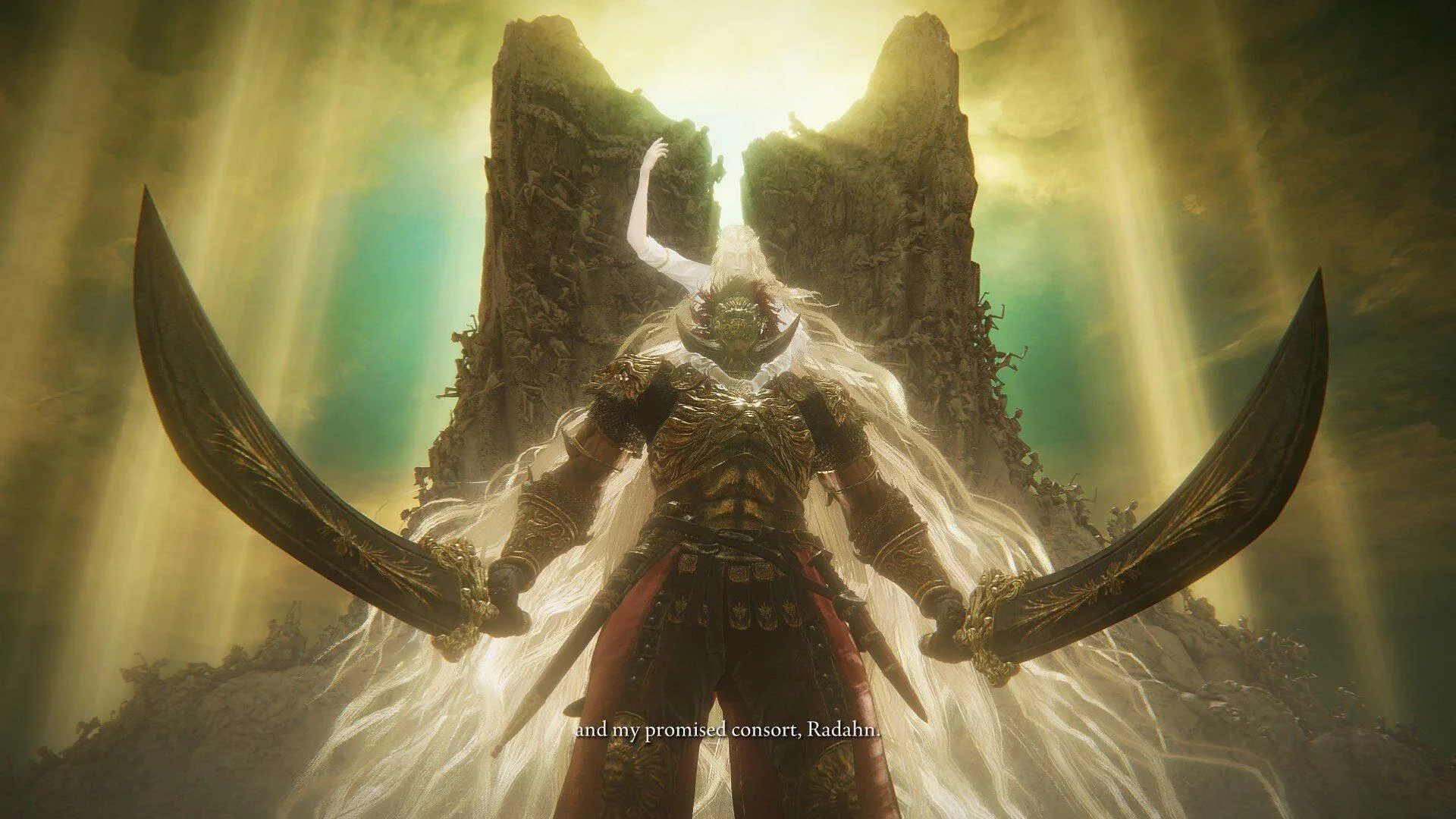
Design Strengths and Limitations
Design Strengths and Limitations
Design Strengths and Limitations
Design strengths
The world is dense enough to feel like a real fantasy geography rather than a checklist map.
Boss fights are consistently memorable and remain central to the game’s identity.
The game preserves FromSoftware’s tension while allowing far more freedom than earlier Souls games.
What can be improved
Some reviewers felt the scale introduces repetition, especially when certain bosses or structures recur in slightly altered forms.
Not every dungeon feels as special as the larger world spaces, and some critics felt the open world sometimes outshines its own interior content.
Accessibility improves the experience, but the game still remains punishing enough that some players will need to rely heavily on external guidance or rerouting.
Design strengths
The world is dense enough to feel like a real fantasy geography rather than a checklist map.
Boss fights are consistently memorable and remain central to the game’s identity.
The game preserves FromSoftware’s tension while allowing far more freedom than earlier Souls games.
What can be improved
Some reviewers felt the scale introduces repetition, especially when certain bosses or structures recur in slightly altered forms.
Not every dungeon feels as special as the larger world spaces, and some critics felt the open world sometimes outshines its own interior content.
Accessibility improves the experience, but the game still remains punishing enough that some players will need to rely heavily on external guidance or rerouting.
Design strengths
The world is dense enough to feel like a real fantasy geography rather than a checklist map.
Boss fights are consistently memorable and remain central to the game’s identity.
The game preserves FromSoftware’s tension while allowing far more freedom than earlier Souls games.
What can be improved
Some reviewers felt the scale introduces repetition, especially when certain bosses or structures recur in slightly altered forms.
Not every dungeon feels as special as the larger world spaces, and some critics felt the open world sometimes outshines its own interior content.
Accessibility improves the experience, but the game still remains punishing enough that some players will need to rely heavily on external guidance or rerouting.
What Works Exceptionally Well
What Works Exceptionally Well
What Works Exceptionally Well
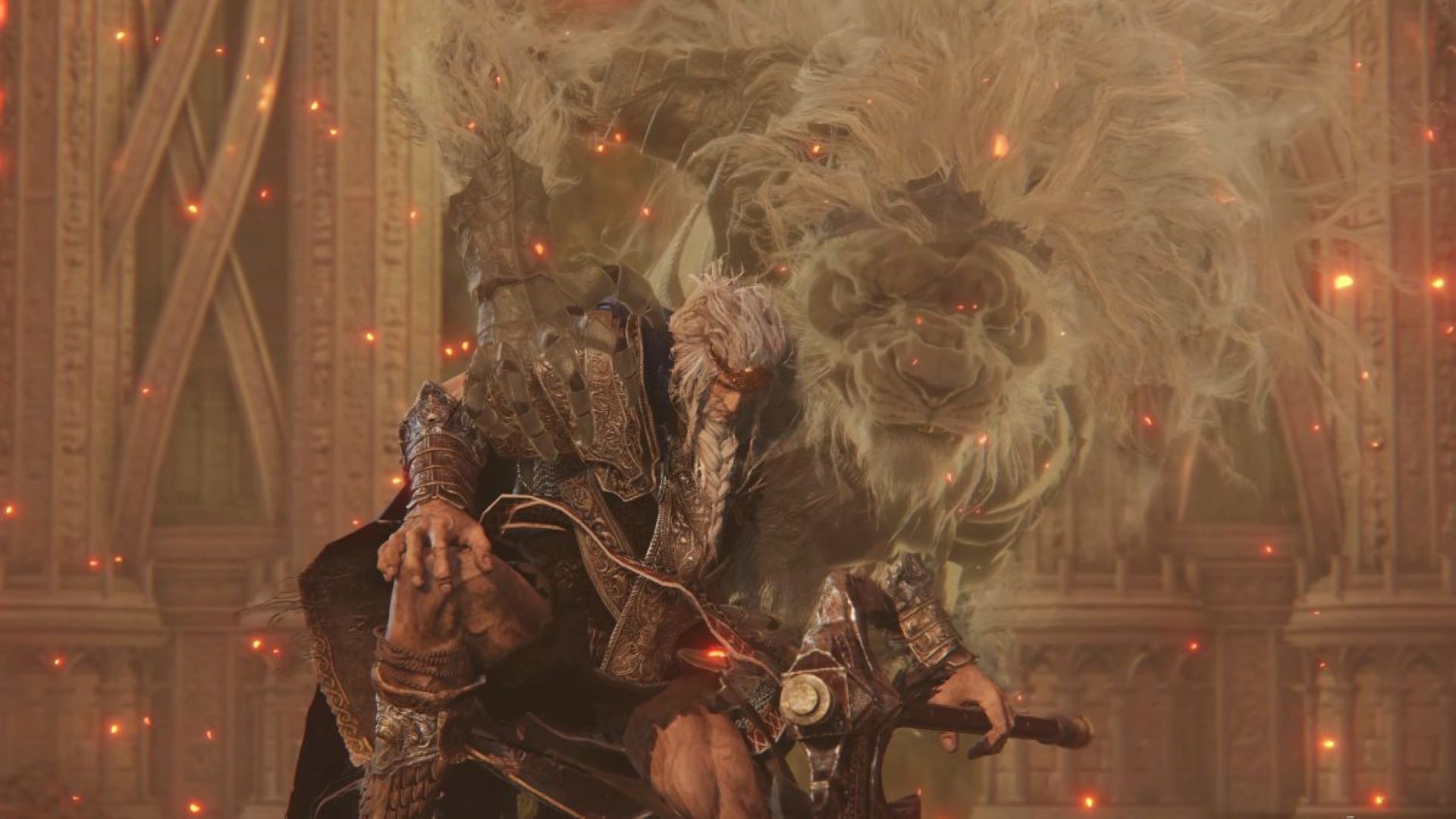
What works exceptionally well is the way Elden Ring balances scale with density.
The open world feels huge, but it is still packed with secrets, strange encounters, and exploration rewards.
Boss fights feel like emotional and mechanical milestones rather than simple combat gates.
Enemy and creature design stays imaginative enough to keep the world unpredictable, ranging from conventional fantasy threats to bizarre and eerie creations.
The game became a cultural event, with PC Gamer describing an “Elden Ring era” of builds, discussions, co-op, and constant social sharing.
That last point matters from a design perspective: strong systemic games generate player culture, not just player completion.
What works exceptionally well is the way Elden Ring balances scale with density.
The open world feels huge, but it is still packed with secrets, strange encounters, and exploration rewards.
Boss fights feel like emotional and mechanical milestones rather than simple combat gates.
Enemy and creature design stays imaginative enough to keep the world unpredictable, ranging from conventional fantasy threats to bizarre and eerie creations.
The game became a cultural event, with PC Gamer describing an “Elden Ring era” of builds, discussions, co-op, and constant social sharing.
That last point matters from a design perspective: strong systemic games generate player culture, not just player completion.
What works exceptionally well is the way Elden Ring balances scale with density.
The open world feels huge, but it is still packed with secrets, strange encounters, and exploration rewards.
Boss fights feel like emotional and mechanical milestones rather than simple combat gates.
Enemy and creature design stays imaginative enough to keep the world unpredictable, ranging from conventional fantasy threats to bizarre and eerie creations.
The game became a cultural event, with PC Gamer describing an “Elden Ring era” of builds, discussions, co-op, and constant social sharing.
That last point matters from a design perspective: strong systemic games generate player culture, not just player completion.
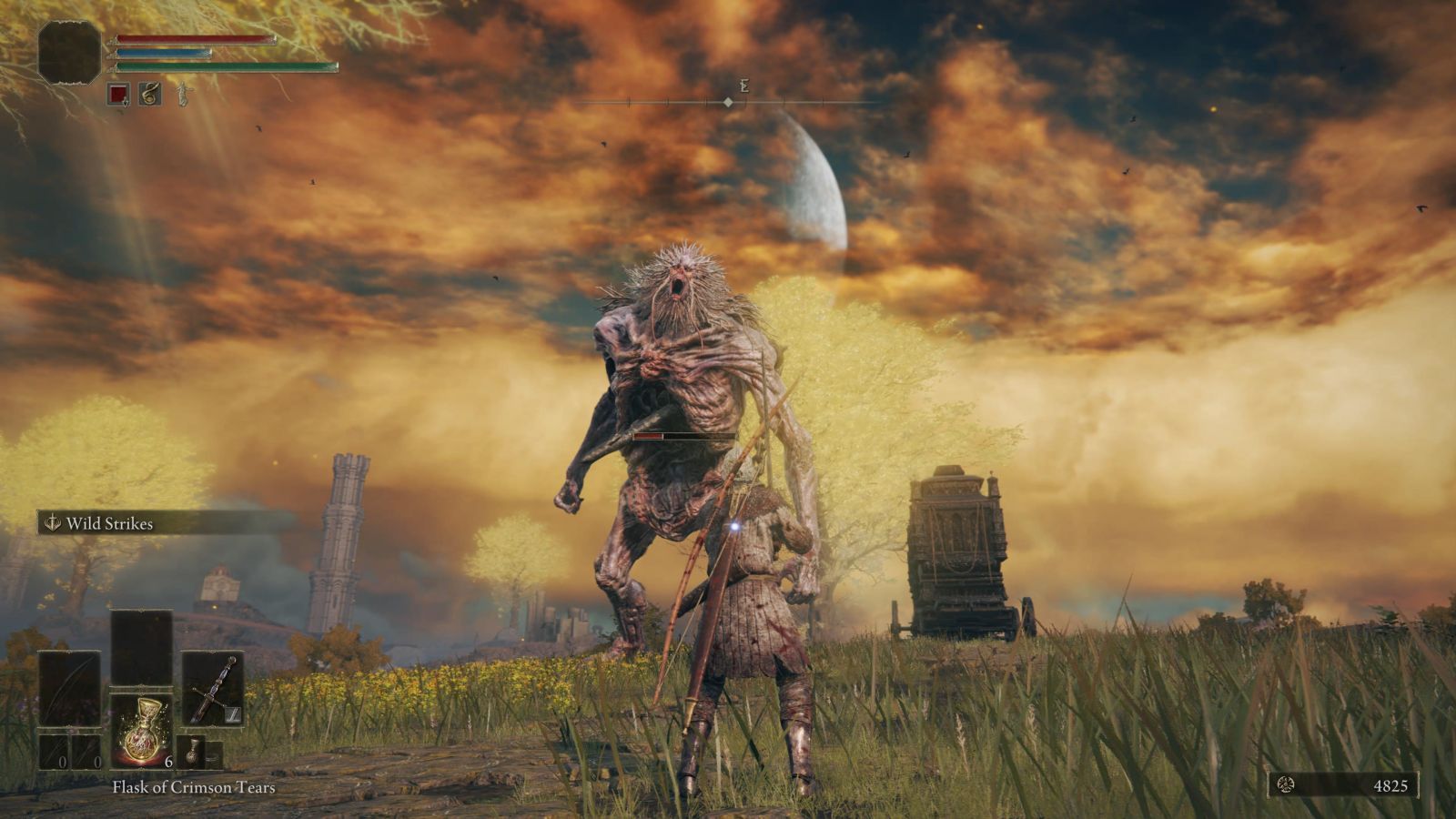
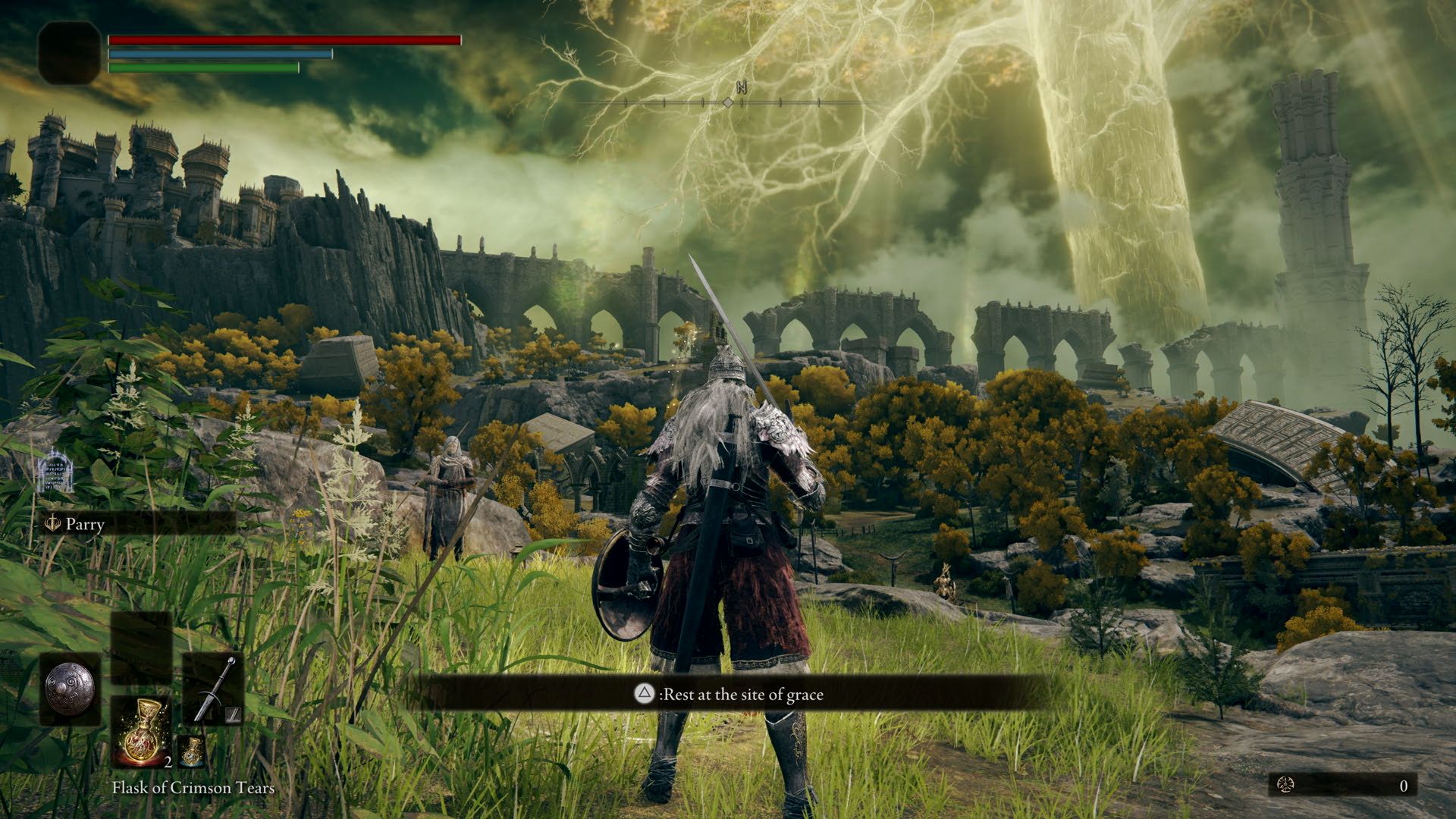
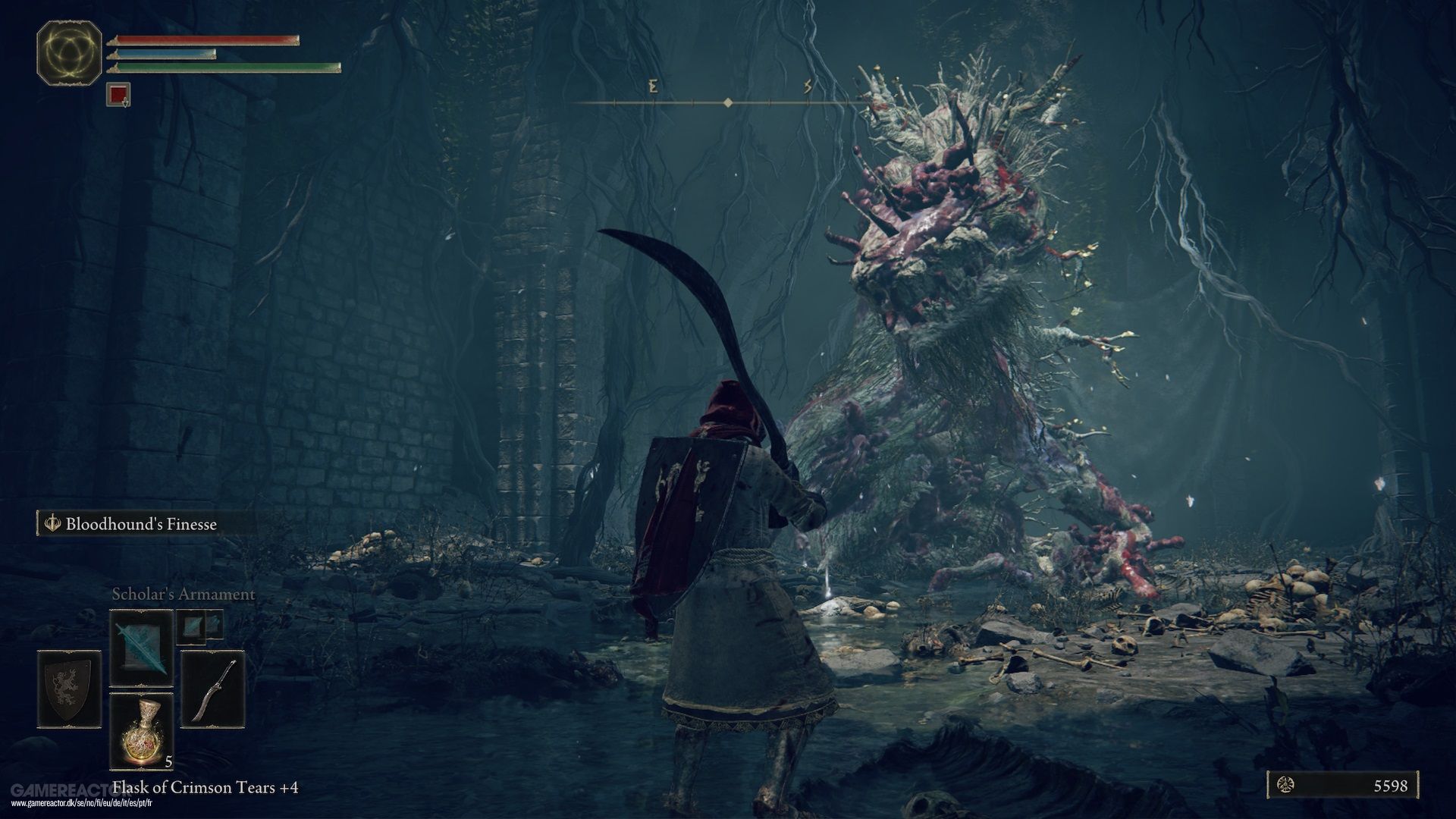
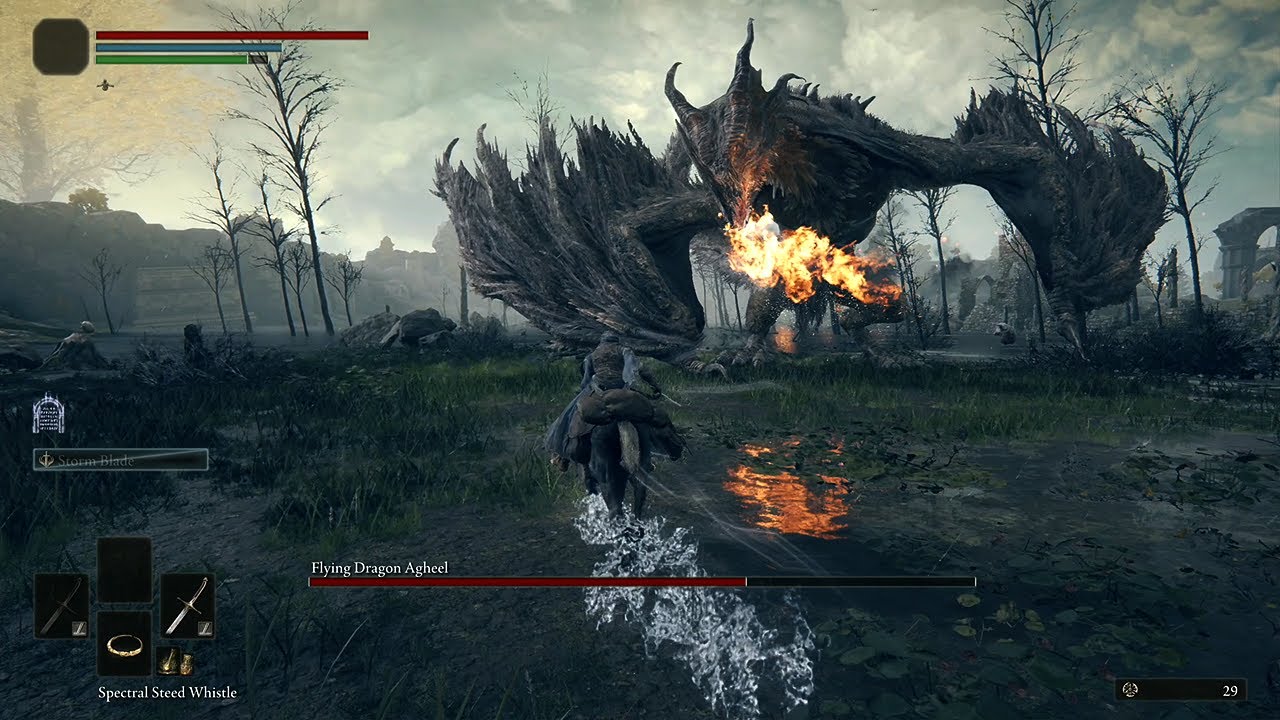
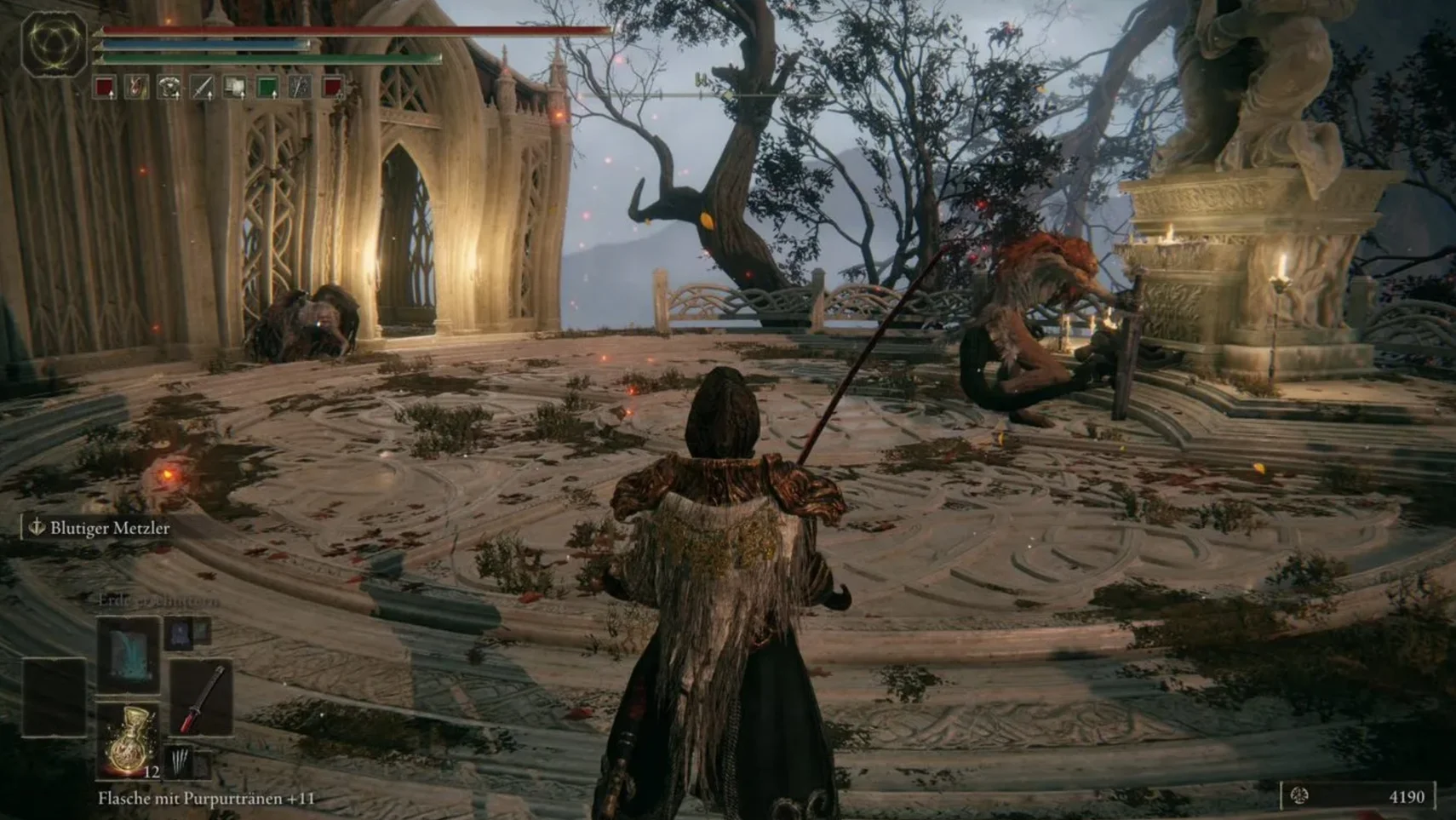
In GAME SCREENSHOTS
In GAME SCREENSHOTS
In GAME SCREENSHOTS
What I Learned as a Designer
What I Learned as a Designer
What I Learned as a Designer
Elden Ring taught me that open-world design is strongest when freedom and authored pressure exist together.
The player should not just be given a large map; they should be given:
readable danger
meaningful detours
real recovery options
enough system depth to choose their own pace
The game also shows how powerful boss fights become when they are treated as identity anchors for the world, not just combat tests.
What I take from Elden Ring most as a designer is this:
if the world is built well enough, exploration becomes emotional
if the enemy design is strong enough, every encounter becomes memorable
if the structure is flexible enough, failure does not end the experience — it redirects it
That is why Elden Ring felt like a benchmark, not just another successful RPG.
Elden Ring taught me that open-world design is strongest when freedom and authored pressure exist together.
The player should not just be given a large map; they should be given:
readable danger
meaningful detours
real recovery options
enough system depth to choose their own pace
The game also shows how powerful boss fights become when they are treated as identity anchors for the world, not just combat tests.
What I take from Elden Ring most as a designer is this:
if the world is built well enough, exploration becomes emotional
if the enemy design is strong enough, every encounter becomes memorable
if the structure is flexible enough, failure does not end the experience — it redirects it
That is why Elden Ring felt like a benchmark, not just another successful RPG.
Elden Ring taught me that open-world design is strongest when freedom and authored pressure exist together.
The player should not just be given a large map; they should be given:
readable danger
meaningful detours
real recovery options
enough system depth to choose their own pace
The game also shows how powerful boss fights become when they are treated as identity anchors for the world, not just combat tests.
What I take from Elden Ring most as a designer is this:
if the world is built well enough, exploration becomes emotional
if the enemy design is strong enough, every encounter becomes memorable
if the structure is flexible enough, failure does not end the experience — it redirects it
That is why Elden Ring felt like a benchmark, not just another successful RPG.
WHAT IF ? WHAT IF ?
WHAT IF ? WHAT IF ?
The Lands Between Remember
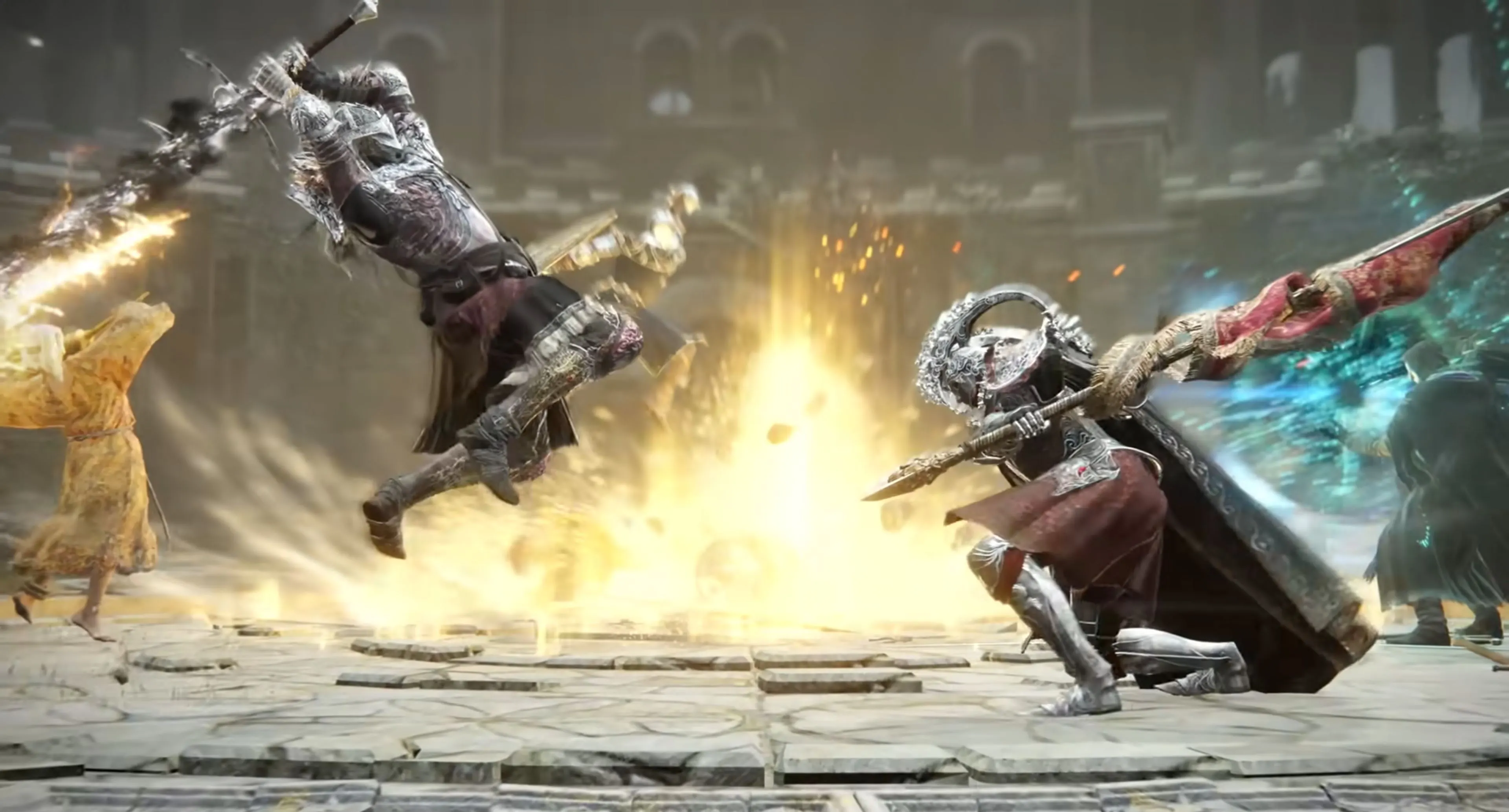
The Mirror That Hungers
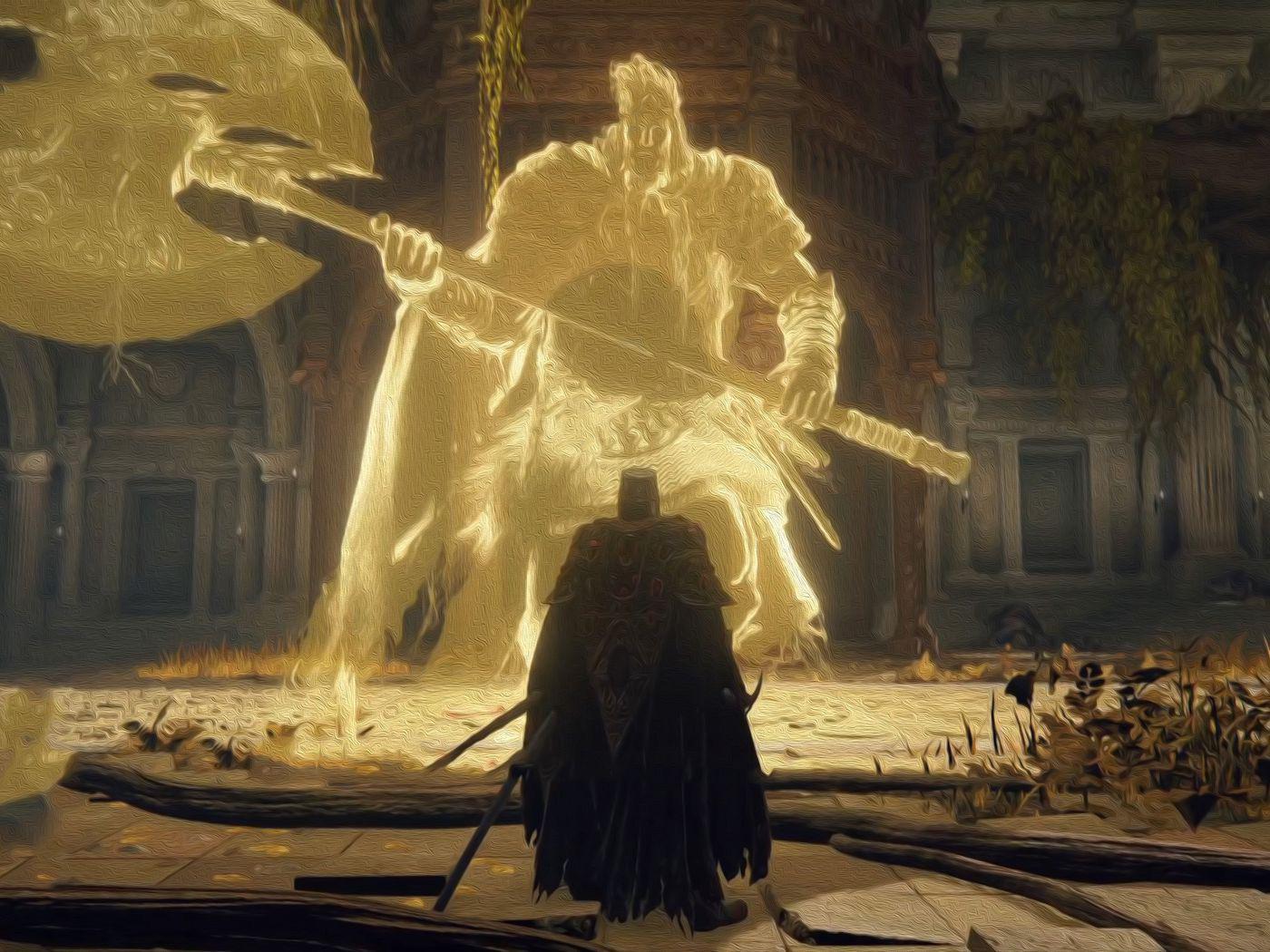
The Hollow Tomb of Memory
The Lands Between Remember
The Mirror That Hungers
The Hollow Tomb of Memory
More Blogs More Blogs

Let'S WORK
TOGETHER
BASED IN INDIA

GAME DESIGNER
Let'S WORK
TOGETHER
BASED IN INDIA
GAME DESIGNER
Let'S WORK
TOGETHER
Let'S WORK
TOGETHER
BASED IN INDIA
GAME DESIGNER