Heavy Rain
Heavy Rain
Heavy Rain
INTRODUCTION
Heavy Rain is one of the clearest examples of interactive drama being treated as the core design identity rather than a supporting layer. Developed by Quantic Dream under the creative direction of David Cage, the game is built around emotional pressure, narrative consequence, and player responsibility more than traditional action systems.
It centers on four protagonists tied to the Origami Killer mystery, and the player’s actions directly affect the narrative. The game is structured around branching scenes, character death, and outcomes that shift based on how the player performs.
What makes it stand out is that it asks the player to feel the story through participation, not just observe it. Every choice, mistake, delay, or success becomes part of the emotional meaning of the scene.
GAME DESIGNERS
David Cage
INTRODUCTION
Heavy Rain is one of the clearest examples of interactive drama being treated as the core design identity rather than a supporting layer. Developed by Quantic Dream under the creative direction of David Cage, the game is built around emotional pressure, narrative consequence, and player responsibility more than traditional action systems.
It centers on four protagonists tied to the Origami Killer mystery, and the player’s actions directly affect the narrative. The game is structured around branching scenes, character death, and outcomes that shift based on how the player performs.
What makes it stand out is that it asks the player to feel the story through participation, not just observe it. Every choice, mistake, delay, or success becomes part of the emotional meaning of the scene.
GAME DESIGNERS
David Cage
INTRODUCTION
Heavy Rain is one of the clearest examples of interactive drama being treated as the core design identity rather than a supporting layer. Developed by Quantic Dream under the creative direction of David Cage, the game is built around emotional pressure, narrative consequence, and player responsibility more than traditional action systems.
It centers on four protagonists tied to the Origami Killer mystery, and the player’s actions directly affect the narrative. The game is structured around branching scenes, character death, and outcomes that shift based on how the player performs.
What makes it stand out is that it asks the player to feel the story through participation, not just observe it. Every choice, mistake, delay, or success becomes part of the emotional meaning of the scene.
GAME DESIGNERS
David Cage

Core Design Identity
Core Design Identity
Core Design Identity
Heavy Rain’s core identity is emotional pressure through responsibility. The game does not try to make the player feel powerful; it tries to make the player feel accountable. That is why so many scenes are built around vulnerable human situations rather than conventional action. It is a murder mystery, but it is also a design experiment in making ordinary interaction carry dramatic weight.
Heavy Rain’s core identity is emotional fragility under pressure.
The game is not trying to make the player feel powerful. It is trying to make the player feel responsible. The whole experience is built around tension, loss, uncertainty, and guilt.
What defines it most strongly is that the game treats every scene like a moral and emotional decision space. Even simple movement through a room can feel loaded because the player knows the story is always watching their input.
Heavy Rain’s core identity is emotional pressure through responsibility. The game does not try to make the player feel powerful; it tries to make the player feel accountable. That is why so many scenes are built around vulnerable human situations rather than conventional action. It is a murder mystery, but it is also a design experiment in making ordinary interaction carry dramatic weight.
Heavy Rain’s core identity is emotional fragility under pressure.
The game is not trying to make the player feel powerful. It is trying to make the player feel responsible. The whole experience is built around tension, loss, uncertainty, and guilt.
What defines it most strongly is that the game treats every scene like a moral and emotional decision space. Even simple movement through a room can feel loaded because the player knows the story is always watching their input.
Heavy Rain’s core identity is emotional pressure through responsibility. The game does not try to make the player feel powerful; it tries to make the player feel accountable. That is why so many scenes are built around vulnerable human situations rather than conventional action. It is a murder mystery, but it is also a design experiment in making ordinary interaction carry dramatic weight.
Heavy Rain’s core identity is emotional fragility under pressure.
The game is not trying to make the player feel powerful. It is trying to make the player feel responsible. The whole experience is built around tension, loss, uncertainty, and guilt.
What defines it most strongly is that the game treats every scene like a moral and emotional decision space. Even simple movement through a room can feel loaded because the player knows the story is always watching their input.
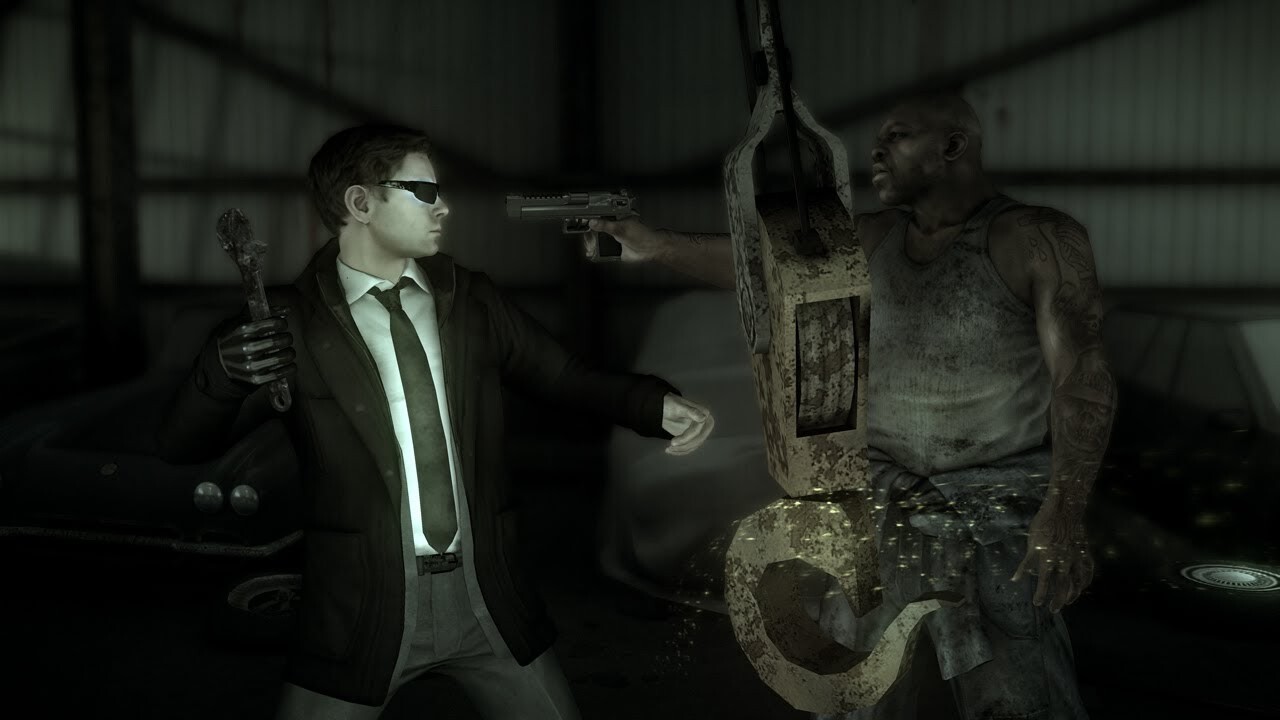
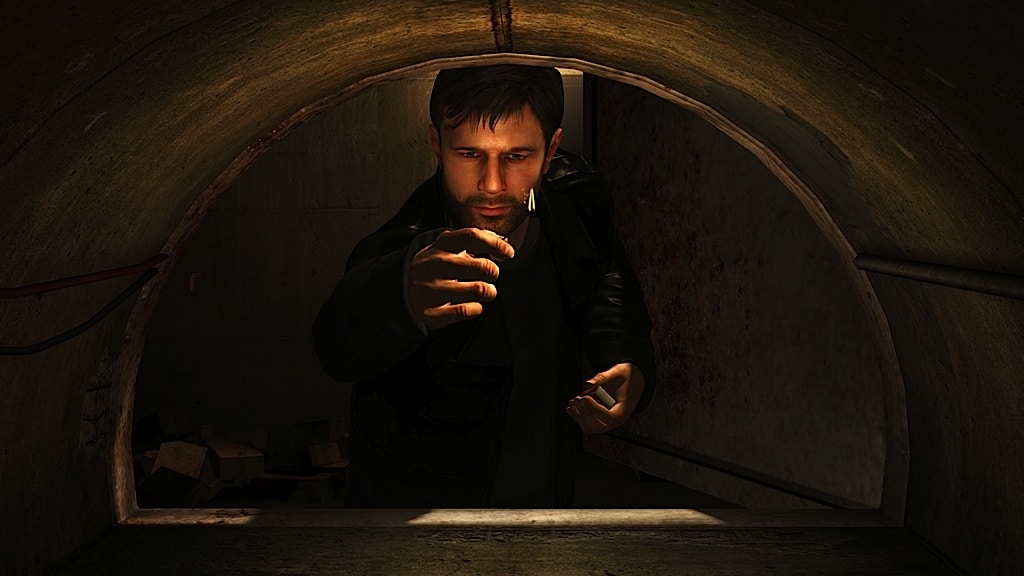
Core Gameplay Loop
Core Gameplay Loop
Core Gameplay Loop
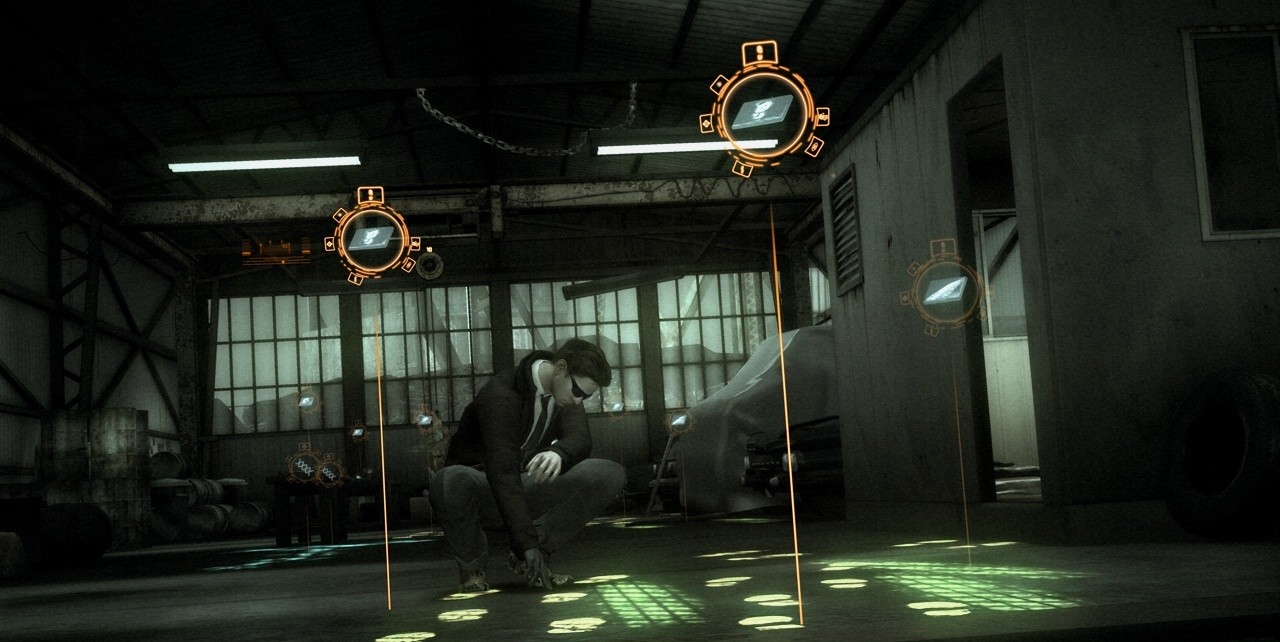
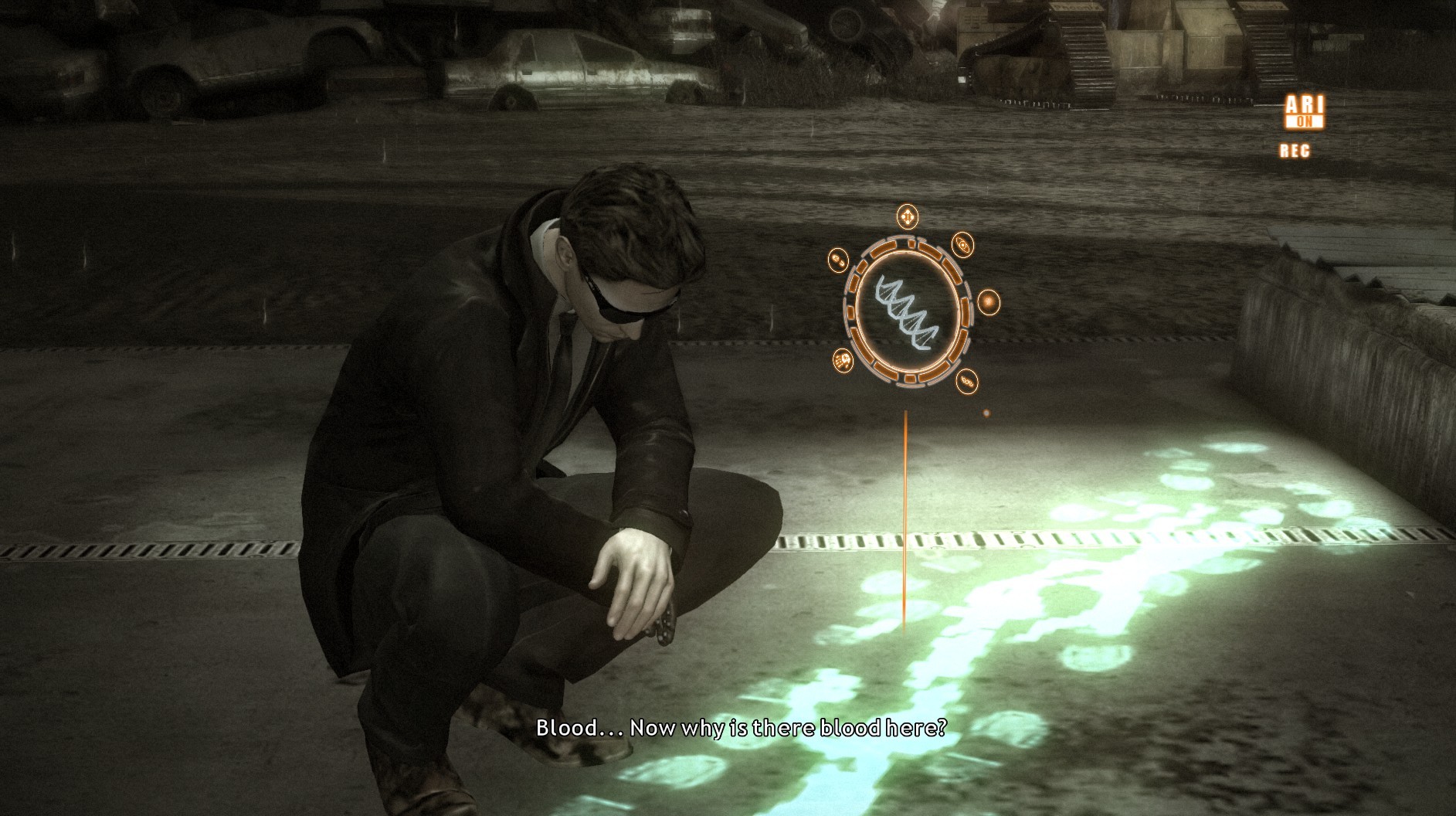
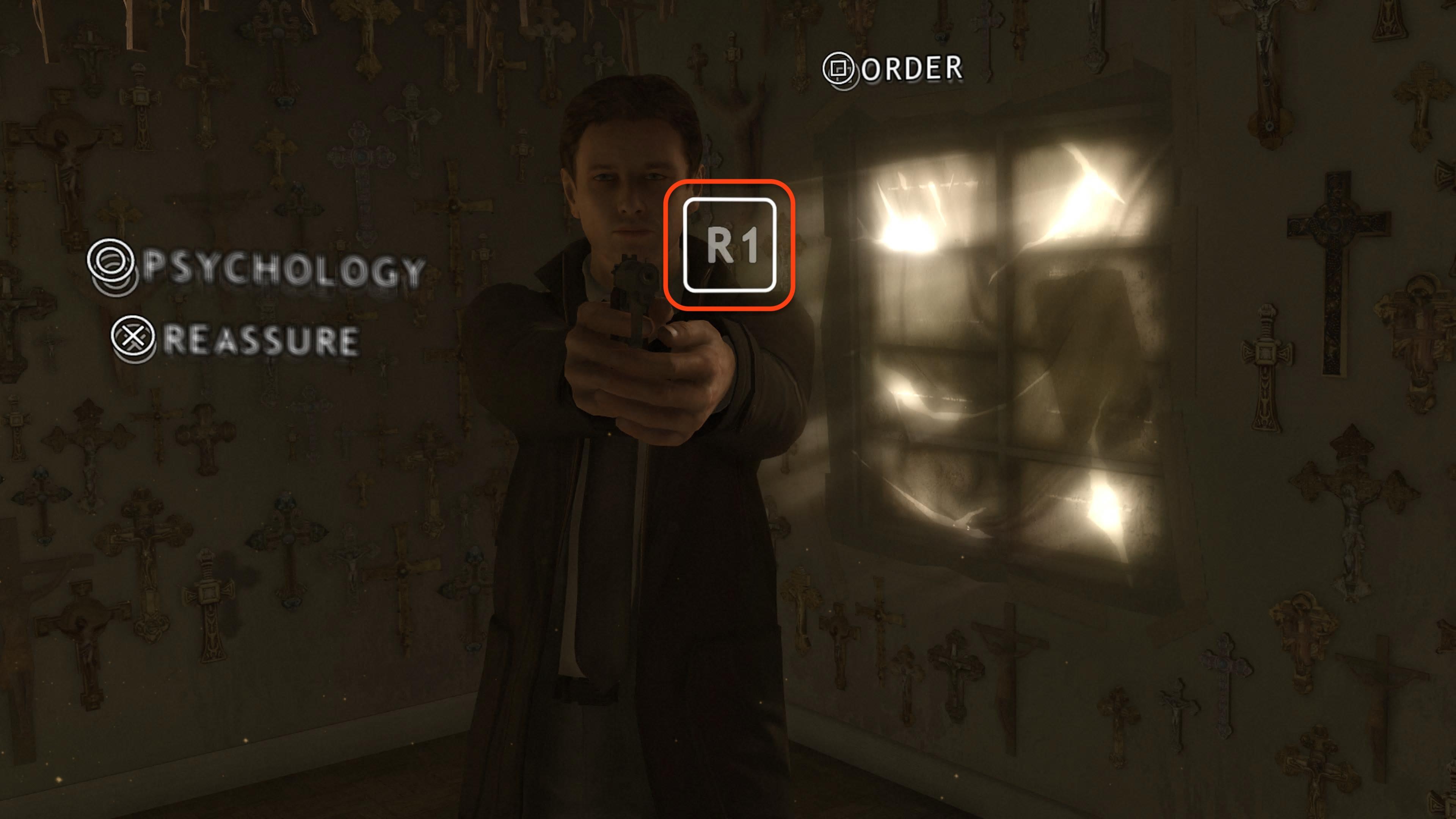
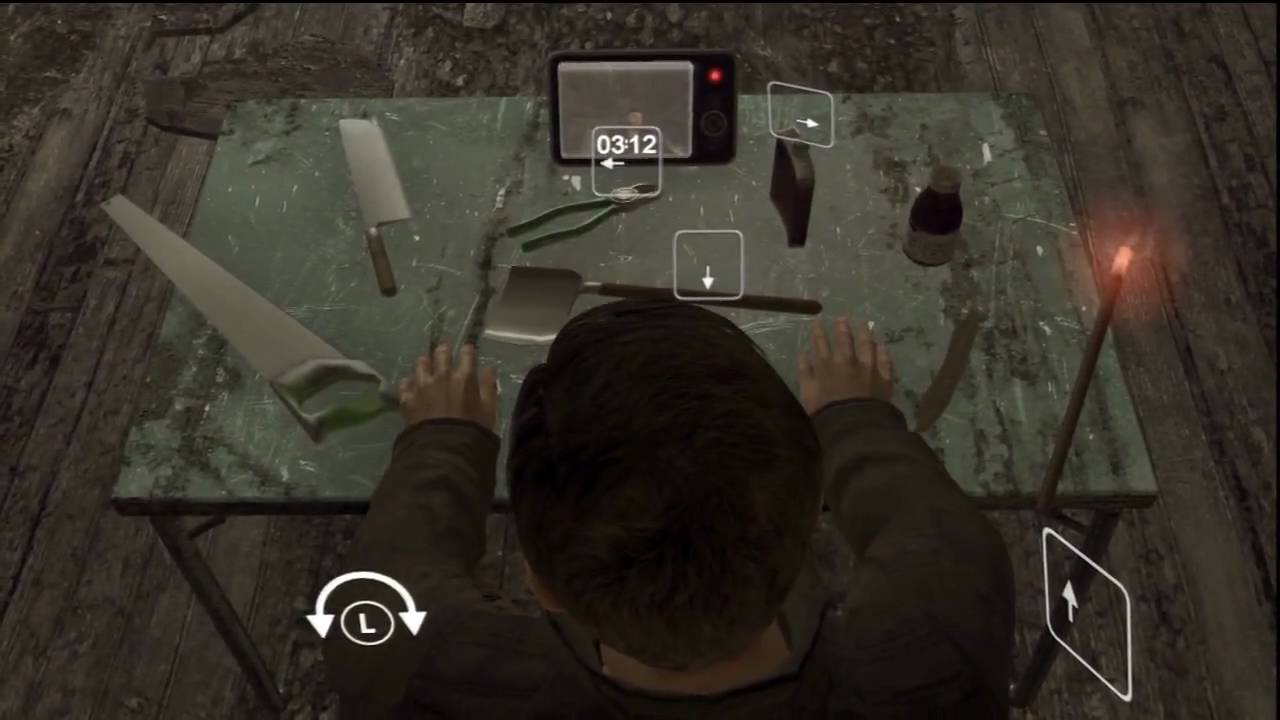
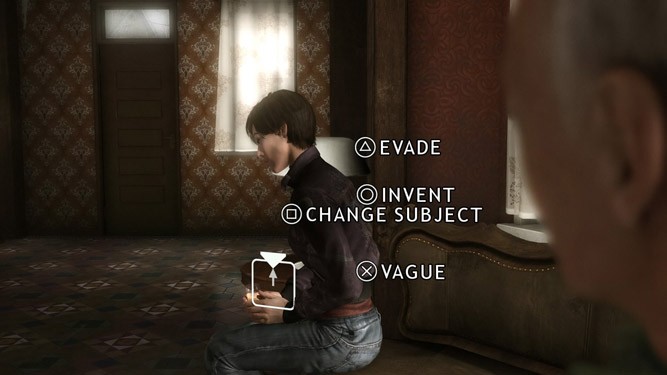
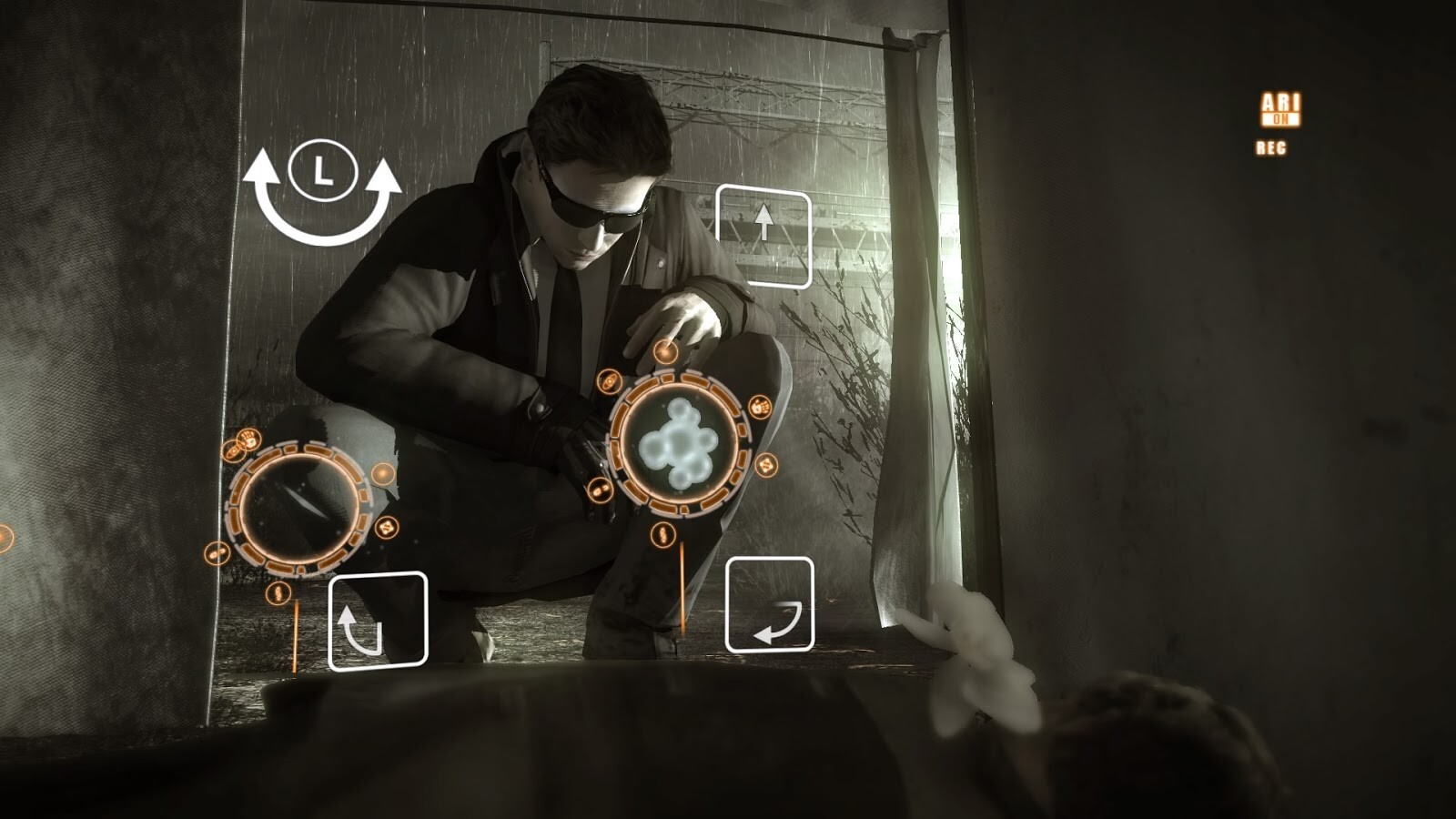
The core loop is simple but very effective: investigate a scene, interact with objects, respond to prompts, and live with the result. Heavy Rain uses context-sensitive actions, motion prompts, and QTE-driven sequences to keep the player physically involved in what is otherwise a narrative-heavy structure.
Explore a chapter through one protagonist’s perspective.
Use on-screen prompts and contextual interactions to progress.
Make choices that branch the story and can permanently change who survives.
Replay value comes from seeing how different decisions alter endings and scene outcomes.
The core loop is simple but very effective: investigate a scene, interact with objects, respond to prompts, and live with the result. Heavy Rain uses context-sensitive actions, motion prompts, and QTE-driven sequences to keep the player physically involved in what is otherwise a narrative-heavy structure.
Explore a chapter through one protagonist’s perspective.
Use on-screen prompts and contextual interactions to progress.
Make choices that branch the story and can permanently change who survives.
Replay value comes from seeing how different decisions alter endings and scene outcomes.
The core loop is simple but very effective: investigate a scene, interact with objects, respond to prompts, and live with the result. Heavy Rain uses context-sensitive actions, motion prompts, and QTE-driven sequences to keep the player physically involved in what is otherwise a narrative-heavy structure.
Explore a chapter through one protagonist’s perspective.
Use on-screen prompts and contextual interactions to progress.
Make choices that branch the story and can permanently change who survives.
Replay value comes from seeing how different decisions alter endings and scene outcomes.
Level / Mission Design Ideology
Level / Mission Design Ideology
Level / Mission Design Ideology
Heavy Rain’s mission design is built like a sequence of emotional chambers rather than traditional levels. Each chapter is short, focused, and designed to end on tension, so the player keeps moving from one pressure state to the next. Wired described the structure as chapter-based and cliffhanger-driven, which is why the game feels so difficult to put down once it gets going.
Every scene is designed around a specific emotional state.
Chapters are brief enough to keep the player in constant suspense.
The design avoids traditional level progression and instead uses scene progression to control pacing.
Heavy Rain’s mission design is built like a sequence of emotional chambers rather than traditional levels. Each chapter is short, focused, and designed to end on tension, so the player keeps moving from one pressure state to the next. Wired described the structure as chapter-based and cliffhanger-driven, which is why the game feels so difficult to put down once it gets going.
Every scene is designed around a specific emotional state.
Chapters are brief enough to keep the player in constant suspense.
The design avoids traditional level progression and instead uses scene progression to control pacing.
Heavy Rain’s mission design is built like a sequence of emotional chambers rather than traditional levels. Each chapter is short, focused, and designed to end on tension, so the player keeps moving from one pressure state to the next. Wired described the structure as chapter-based and cliffhanger-driven, which is why the game feels so difficult to put down once it gets going.
Every scene is designed around a specific emotional state.
Chapters are brief enough to keep the player in constant suspense.
The design avoids traditional level progression and instead uses scene progression to control pacing.
Player Agency
Player Agency
Player Agency
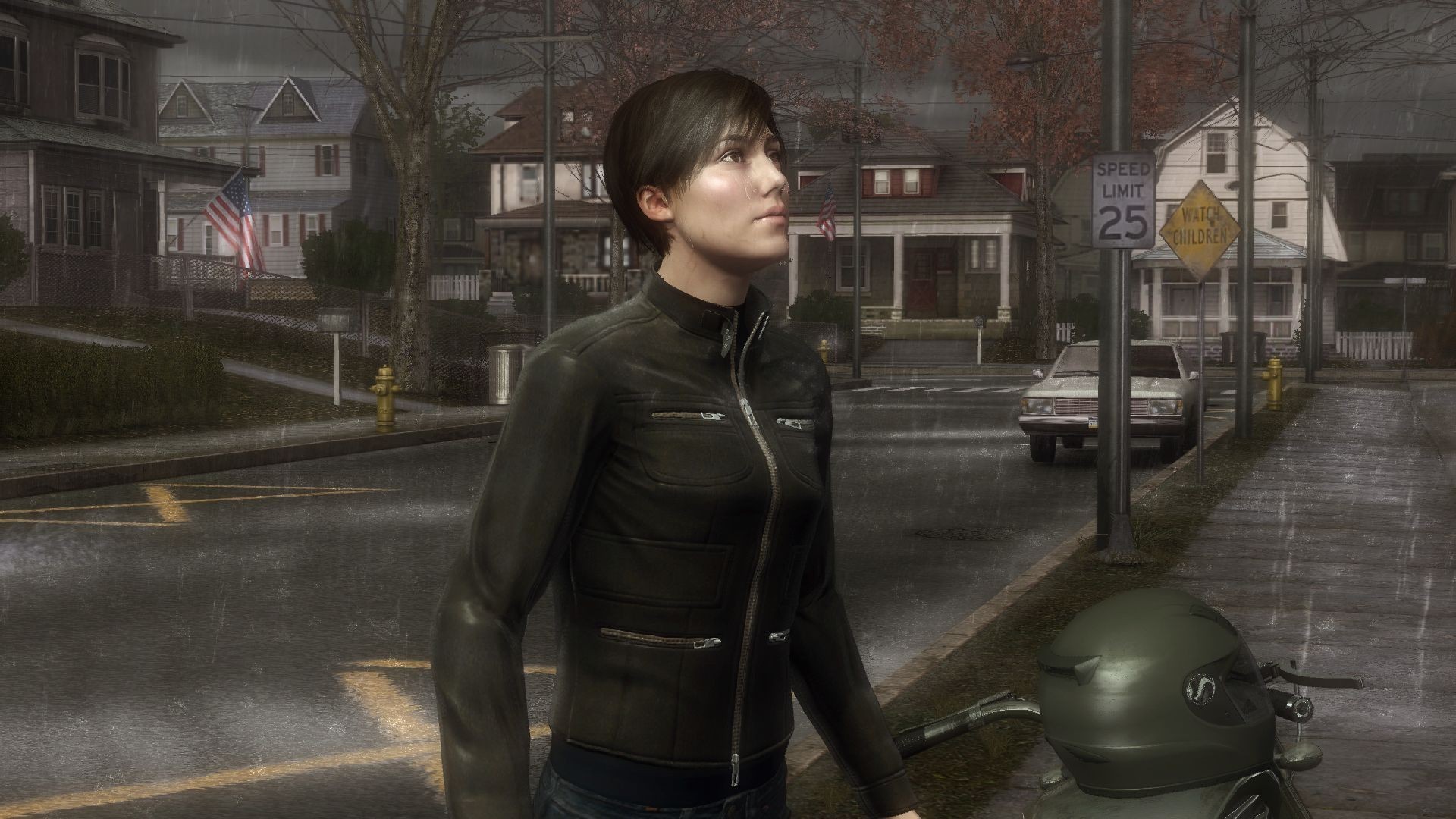
Player agency in Heavy Rain is not about free-roaming space. It is about outcome ownership. You do not always control everything, but you do control enough to change who survives, what information is uncovered, and how each character’s path unfolds. The game gives the player different characters with different emotional burdens, and that creates a much stronger sense of responsibility.
Ethan’s objective is personal and desperate: saving Shaun through the killer’s trials.
Norman’s objective is investigative, tied to profiling and deduction.
Madison’s path is more independent and survival-oriented, as she investigates the killer herself.
Scott’s path is investigative on the surface, but it is tied to the victims’ families and the broader mystery.
Because characters may die, a single mistake can remove an entire route of investigation or rescue, which is exactly where the game gains its tension. That is an inference from the branching structure and death rules.
Player agency in Heavy Rain is not about free-roaming space. It is about outcome ownership. You do not always control everything, but you do control enough to change who survives, what information is uncovered, and how each character’s path unfolds. The game gives the player different characters with different emotional burdens, and that creates a much stronger sense of responsibility.
Ethan’s objective is personal and desperate: saving Shaun through the killer’s trials.
Norman’s objective is investigative, tied to profiling and deduction.
Madison’s path is more independent and survival-oriented, as she investigates the killer herself.
Scott’s path is investigative on the surface, but it is tied to the victims’ families and the broader mystery.
Because characters may die, a single mistake can remove an entire route of investigation or rescue, which is exactly where the game gains its tension. That is an inference from the branching structure and death rules.
Player agency in Heavy Rain is not about free-roaming space. It is about outcome ownership. You do not always control everything, but you do control enough to change who survives, what information is uncovered, and how each character’s path unfolds. The game gives the player different characters with different emotional burdens, and that creates a much stronger sense of responsibility.
Ethan’s objective is personal and desperate: saving Shaun through the killer’s trials.
Norman’s objective is investigative, tied to profiling and deduction.
Madison’s path is more independent and survival-oriented, as she investigates the killer herself.
Scott’s path is investigative on the surface, but it is tied to the victims’ families and the broader mystery.
Because characters may die, a single mistake can remove an entire route of investigation or rescue, which is exactly where the game gains its tension. That is an inference from the branching structure and death rules.

Narrative Delivery
Narrative Delivery
Narrative Delivery
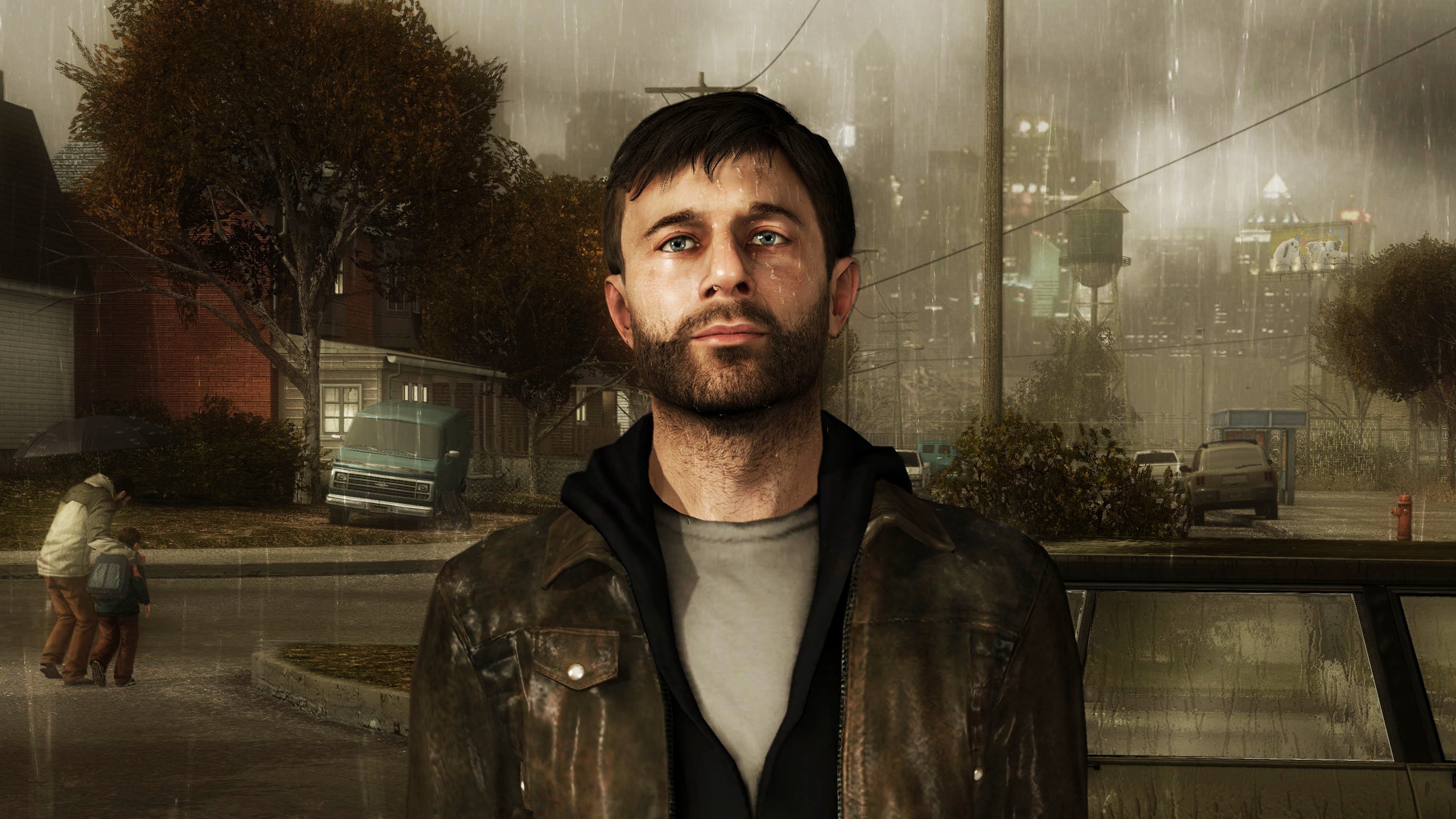
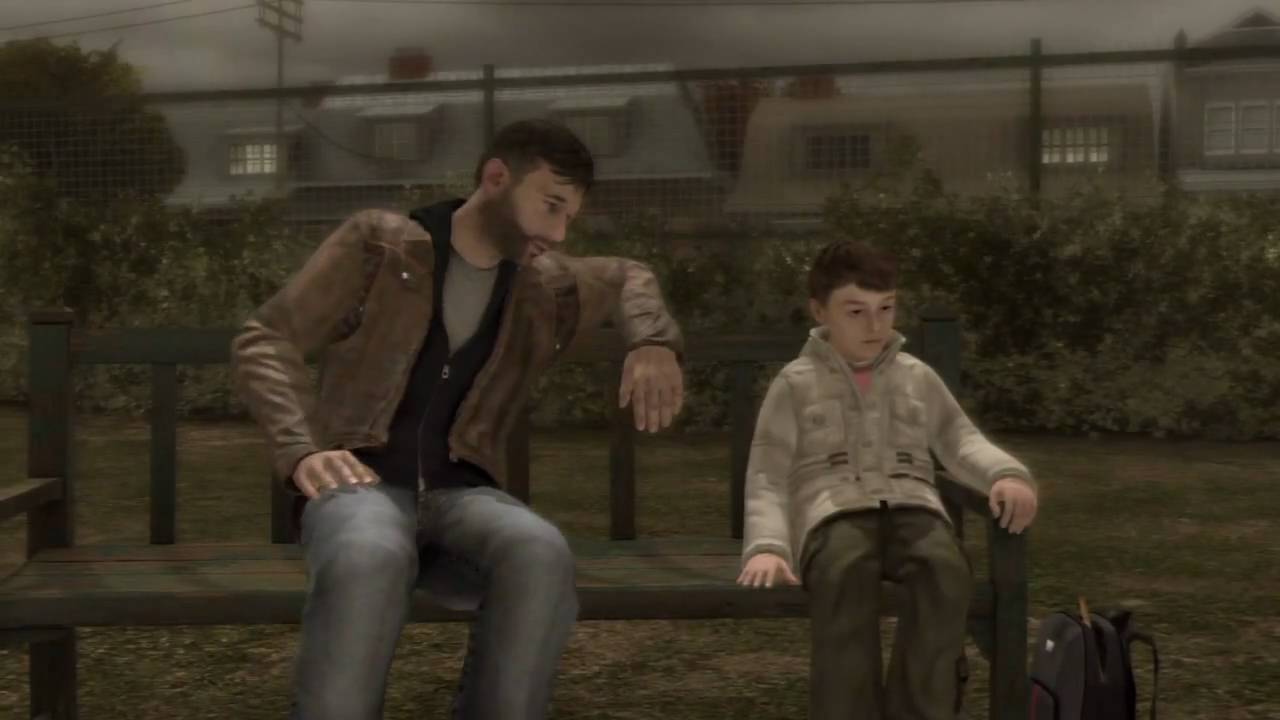
The story works because each character carries a different emotional wound, but all of them are pulled into the same mystery. Ethan carries grief and blackout trauma after Jason’s death, Norman struggles with Triptocaine addiction, Madison is dealing with insomnia while chasing the case, and Scott’s investigation is tied to victims’ families and the killer’s trail. That gives the narrative multiple emotional lenses instead of one central viewpoint.
Ethan is driven by guilt, family loss, and the terrifying pressure of Shaun’s kidnapping.
Norman’s story adds vulnerability through addiction and analytical pressure.
Madison gives the game a quieter, more personal investigative angle.
Scott’s path broadens the mystery by making the victims’ families part of the story structure.
The narrative is not just a mystery about who the killer is; it is also a study of what pressure does to different people.
The story works because each character carries a different emotional wound, but all of them are pulled into the same mystery. Ethan carries grief and blackout trauma after Jason’s death, Norman struggles with Triptocaine addiction, Madison is dealing with insomnia while chasing the case, and Scott’s investigation is tied to victims’ families and the killer’s trail. That gives the narrative multiple emotional lenses instead of one central viewpoint.
Ethan is driven by guilt, family loss, and the terrifying pressure of Shaun’s kidnapping.
Norman’s story adds vulnerability through addiction and analytical pressure.
Madison gives the game a quieter, more personal investigative angle.
Scott’s path broadens the mystery by making the victims’ families part of the story structure.
The narrative is not just a mystery about who the killer is; it is also a study of what pressure does to different people.
The story works because each character carries a different emotional wound, but all of them are pulled into the same mystery. Ethan carries grief and blackout trauma after Jason’s death, Norman struggles with Triptocaine addiction, Madison is dealing with insomnia while chasing the case, and Scott’s investigation is tied to victims’ families and the killer’s trail. That gives the narrative multiple emotional lenses instead of one central viewpoint.
Ethan is driven by guilt, family loss, and the terrifying pressure of Shaun’s kidnapping.
Norman’s story adds vulnerability through addiction and analytical pressure.
Madison gives the game a quieter, more personal investigative angle.
Scott’s path broadens the mystery by making the victims’ families part of the story structure.
The narrative is not just a mystery about who the killer is; it is also a study of what pressure does to different people.
Design Strengths and Limitations
Design Strengths and Limitations
Design Strengths and Limitations
Heavy Rain’s greatest strength is that it makes story consequence feel mechanical. The branching structure is genuinely interactive, characters can die, and the number of possible outcomes is very large; Wired described 22 different conclusions, while PC Gamer called the story “genuinely interactive” with branching paths, sudden deaths, and many endings.
Strong branching structure gives the player real ownership over outcome.
Multiple protagonists keep the mystery fresh because each character plays a different role in the investigation.
The game’s tension is high because mistakes can permanently remove characters from the story.
What can be improved ?
Some critics noted awkward movement, confusing chapter structure, and plot inconsistencies.
The ending structure can feel fractured because many different outcomes are split into brief vignette-like conclusions rather than one smooth denouement.
The controls, while intentionally accessible, can still feel cumbersome in practice.
Heavy Rain’s greatest strength is that it makes story consequence feel mechanical. The branching structure is genuinely interactive, characters can die, and the number of possible outcomes is very large; Wired described 22 different conclusions, while PC Gamer called the story “genuinely interactive” with branching paths, sudden deaths, and many endings.
Strong branching structure gives the player real ownership over outcome.
Multiple protagonists keep the mystery fresh because each character plays a different role in the investigation.
The game’s tension is high because mistakes can permanently remove characters from the story.
What can be improved ?
Some critics noted awkward movement, confusing chapter structure, and plot inconsistencies.
The ending structure can feel fractured because many different outcomes are split into brief vignette-like conclusions rather than one smooth denouement.
The controls, while intentionally accessible, can still feel cumbersome in practice.
Heavy Rain’s greatest strength is that it makes story consequence feel mechanical. The branching structure is genuinely interactive, characters can die, and the number of possible outcomes is very large; Wired described 22 different conclusions, while PC Gamer called the story “genuinely interactive” with branching paths, sudden deaths, and many endings.
Strong branching structure gives the player real ownership over outcome.
Multiple protagonists keep the mystery fresh because each character plays a different role in the investigation.
The game’s tension is high because mistakes can permanently remove characters from the story.
What can be improved ?
Some critics noted awkward movement, confusing chapter structure, and plot inconsistencies.
The ending structure can feel fractured because many different outcomes are split into brief vignette-like conclusions rather than one smooth denouement.
The controls, while intentionally accessible, can still feel cumbersome in practice.

What Works Exceptionally Well
What Works Exceptionally Well
What Works Exceptionally Well
What works exceptionally well is how the game makes the player emotionally responsible for the mystery.
The four-character structure is excellent because each protagonist brings a different kind of tension to the same case.
The game is at its best when it turns simple actions into emotional pressure, like opening doors, searching rooms, or doing everyday tasks under stress.
The story can branch in dramatic ways, which keeps the mystery alive even on replay.
The ending structure gives weight to every decision because the final outcome is built from the player’s accumulated mistakes and successes.
What works exceptionally well is how the game makes the player emotionally responsible for the mystery.
The four-character structure is excellent because each protagonist brings a different kind of tension to the same case.
The game is at its best when it turns simple actions into emotional pressure, like opening doors, searching rooms, or doing everyday tasks under stress.
The story can branch in dramatic ways, which keeps the mystery alive even on replay.
The ending structure gives weight to every decision because the final outcome is built from the player’s accumulated mistakes and successes.
What works exceptionally well is how the game makes the player emotionally responsible for the mystery.
The four-character structure is excellent because each protagonist brings a different kind of tension to the same case.
The game is at its best when it turns simple actions into emotional pressure, like opening doors, searching rooms, or doing everyday tasks under stress.
The story can branch in dramatic ways, which keeps the mystery alive even on replay.
The ending structure gives weight to every decision because the final outcome is built from the player’s accumulated mistakes and successes.
In GAME SCREENSHOTS
In GAME SCREENSHOTS
In GAME SCREENSHOTS

What I Learned as a Designer
What I Learned as a Designer
What I Learned as a Designer
Heavy Rain proves that a game can become emotionally powerful when it treats choice as consequence, not decoration. The most important lesson is that player responsibility can be more intense than combat when the story is built around survival, guilt, and branching outcomes.
Multiple protagonists create stronger narrative texture when each one solves a different part of the same central mystery.
Branching storytelling becomes meaningful when player decisions can permanently remove characters or alter the final rescue path.
Everyday interactions can carry huge emotional weight if they are framed with enough pressure and context.
A story-driven game becomes memorable when the player feels that their mistakes matter in the same way as their successes.
Heavy Rain proves that a game can become emotionally powerful when it treats choice as consequence, not decoration. The most important lesson is that player responsibility can be more intense than combat when the story is built around survival, guilt, and branching outcomes.
Multiple protagonists create stronger narrative texture when each one solves a different part of the same central mystery.
Branching storytelling becomes meaningful when player decisions can permanently remove characters or alter the final rescue path.
Everyday interactions can carry huge emotional weight if they are framed with enough pressure and context.
A story-driven game becomes memorable when the player feels that their mistakes matter in the same way as their successes.
Heavy Rain proves that a game can become emotionally powerful when it treats choice as consequence, not decoration. The most important lesson is that player responsibility can be more intense than combat when the story is built around survival, guilt, and branching outcomes.
Multiple protagonists create stronger narrative texture when each one solves a different part of the same central mystery.
Branching storytelling becomes meaningful when player decisions can permanently remove characters or alter the final rescue path.
Everyday interactions can carry huge emotional weight if they are framed with enough pressure and context.
A story-driven game becomes memorable when the player feels that their mistakes matter in the same way as their successes.
WHAT IF ? WHAT IF ?
WHAT IF ? WHAT IF ?

Two sides of the same coin
The Man Who Stopped Running
Inside the Signal
Two sides of the same coin
The Man Who Stopped Running
Inside the Signal
More Blogs More Blogs


Let'S WORK
TOGETHER
BASED IN INDIA

GAME DESIGNER
Let'S WORK
TOGETHER
BASED IN INDIA
GAME DESIGNER
Let'S WORK
TOGETHER
Let'S WORK
TOGETHER
BASED IN INDIA
GAME DESIGNER