The Last of Us
The Last of Us
The Last of Us
INTRODUCTION
The Last of Us is Naughty Dog’s original survival-action drama about Joel escorting Ellie across a post-apocalyptic United States after the Cordyceps infection has devastated civilization. PlayStation describes the game as a story of emotional storytelling, unforgettable characters, and tense action-adventure, and that combination is exactly why it still stands out.
Game Designers
Neil Druckmann
Bruce Straley
INTRODUCTION
The Last of Us is Naughty Dog’s original survival-action drama about Joel escorting Ellie across a post-apocalyptic United States after the Cordyceps infection has devastated civilization. PlayStation describes the game as a story of emotional storytelling, unforgettable characters, and tense action-adventure, and that combination is exactly why it still stands out.
Game Designers
Neil Druckmann
Bruce Straley
INTRODUCTION
The Last of Us is Naughty Dog’s original survival-action drama about Joel escorting Ellie across a post-apocalyptic United States after the Cordyceps infection has devastated civilization. PlayStation describes the game as a story of emotional storytelling, unforgettable characters, and tense action-adventure, and that combination is exactly why it still stands out.
Game Designers
Neil Druckmann
Bruce Straley
Core Design Identity
Core Design Identity
Core Design Identity
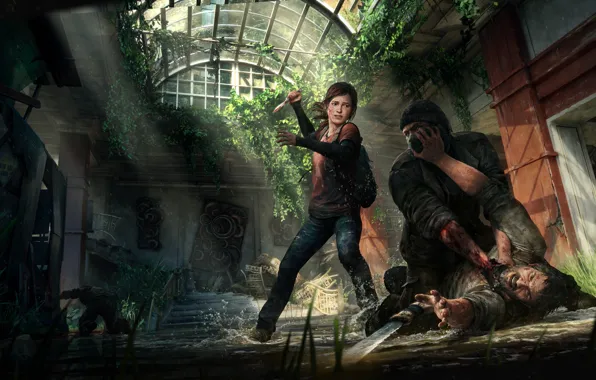
The core identity of The Last of Us is not “zombie survival” in the usual sense. It is a human survival story wrapped in infected horror. The game is built so that the emotional relationship between Joel and Ellie matters as much as the combat pressure around them, and game frames around emotional storytelling and unforgettable characters.
Emotion first, apocalypse second. The infected are terrifying, but the real weight comes from watching two damaged people slowly become emotionally dependent on each other.
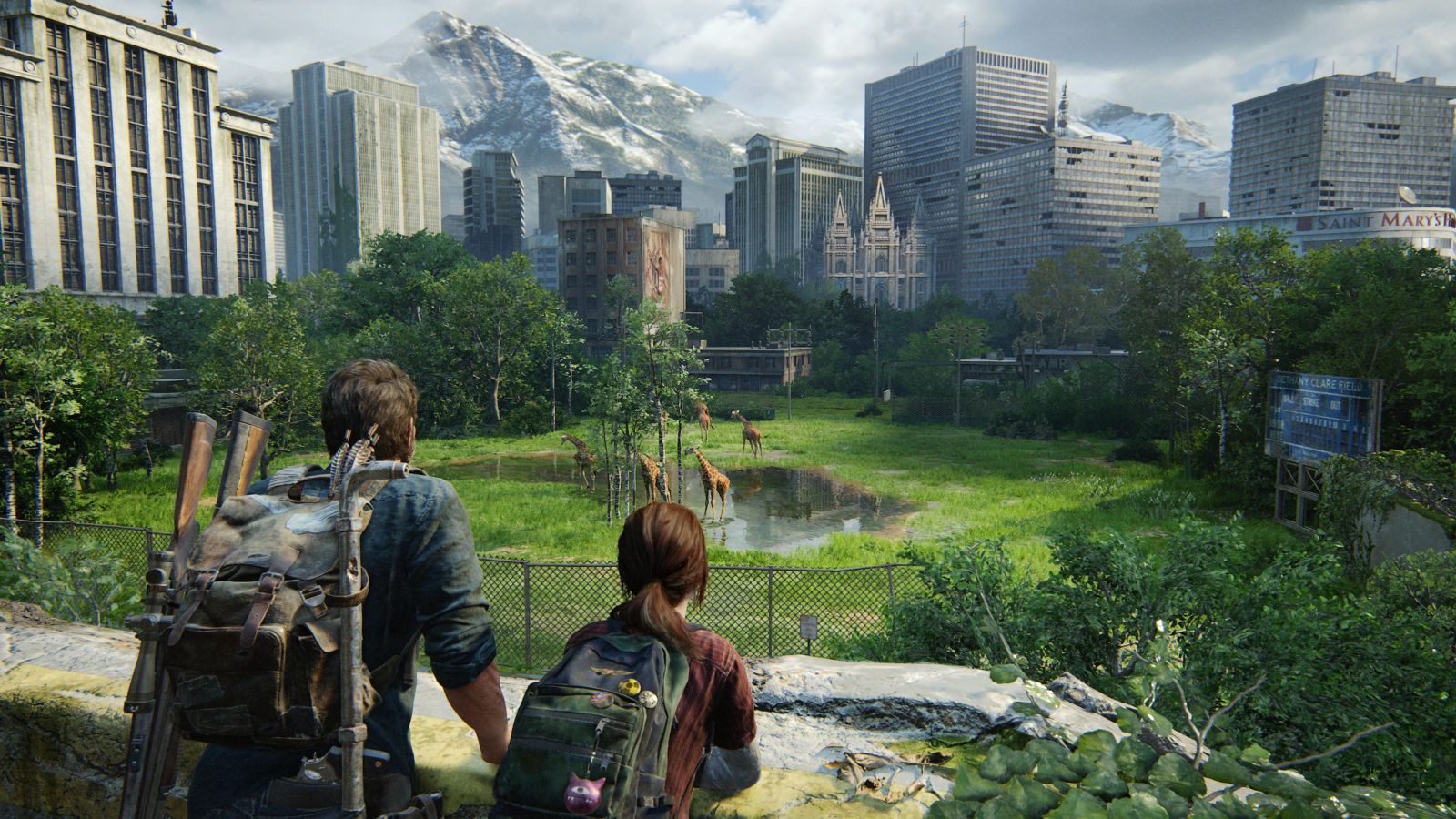
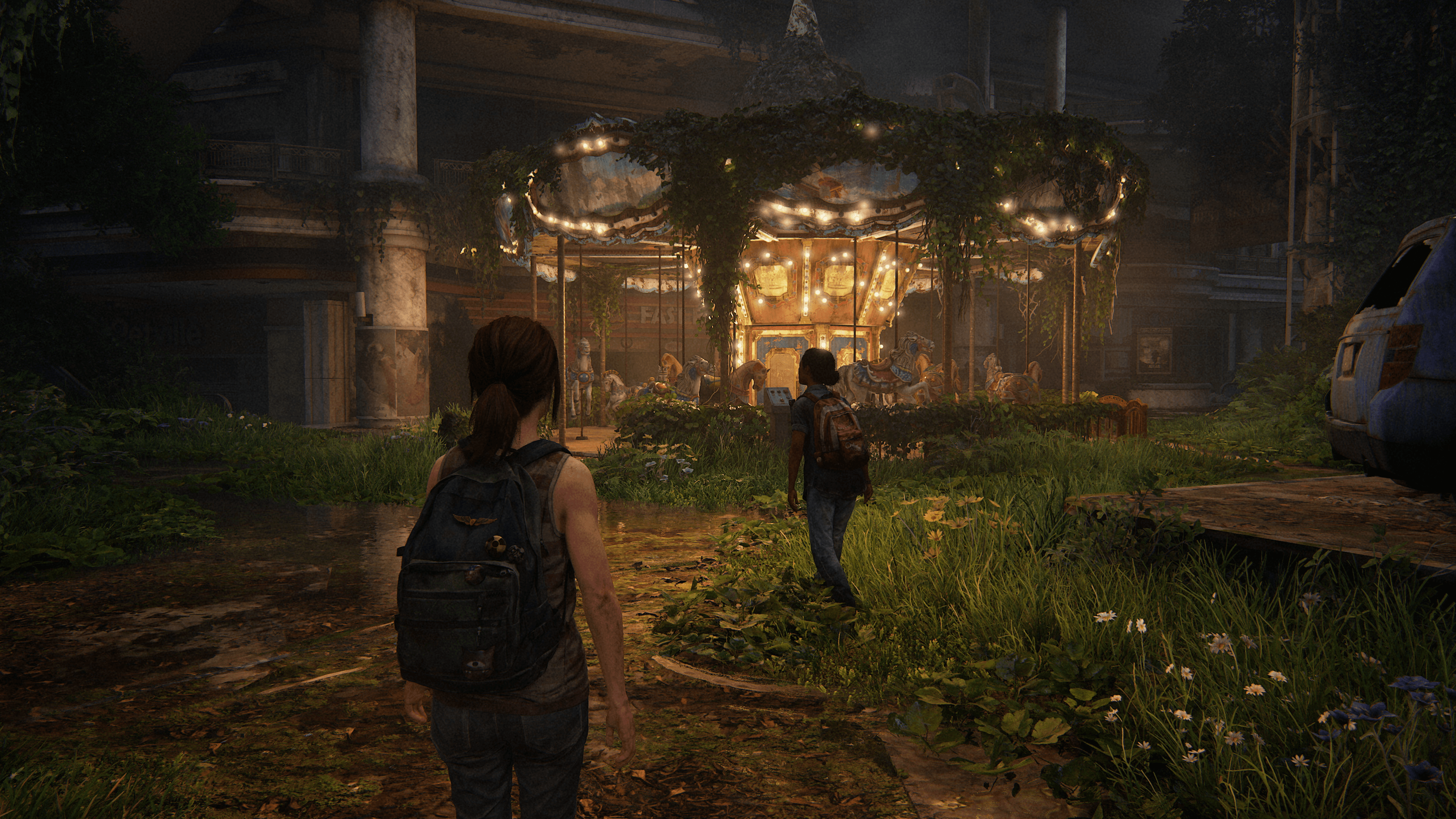
The world feels grounded. The ruined United States is not stylized for spectacle alone; it feels lived-in, scavenged, and physically exhausted.
Fear is built through restraint. The game rarely overloads the player with constant action. It lets quiet, tension, and scarcity create pressure first.
The core identity of The Last of Us is not “zombie survival” in the usual sense. It is a human survival story wrapped in infected horror. The game is built so that the emotional relationship between Joel and Ellie matters as much as the combat pressure around them, and game frames around emotional storytelling and unforgettable characters.
Emotion first, apocalypse second. The infected are terrifying, but the real weight comes from watching two damaged people slowly become emotionally dependent on each other.
The world feels grounded. The ruined United States is not stylized for spectacle alone; it feels lived-in, scavenged, and physically exhausted.
Fear is built through restraint. The game rarely overloads the player with constant action. It lets quiet, tension, and scarcity create pressure first.
The core identity of The Last of Us is not “zombie survival” in the usual sense. It is a human survival story wrapped in infected horror. The game is built so that the emotional relationship between Joel and Ellie matters as much as the combat pressure around them, and game frames around emotional storytelling and unforgettable characters.
Emotion first, apocalypse second. The infected are terrifying, but the real weight comes from watching two damaged people slowly become emotionally dependent on each other.
The world feels grounded. The ruined United States is not stylized for spectacle alone; it feels lived-in, scavenged, and physically exhausted.
Fear is built through restraint. The game rarely overloads the player with constant action. It lets quiet, tension, and scarcity create pressure first.
Core Gameplay Loop
Core Gameplay Loop
Core Gameplay Loop
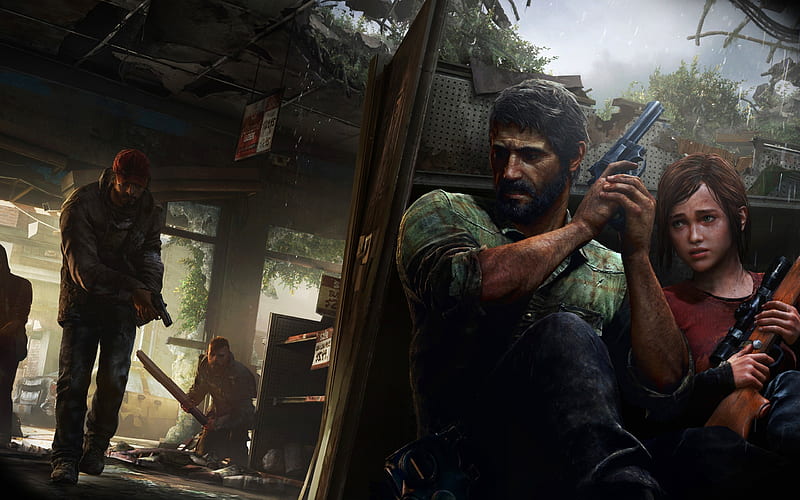
The gameplay loop is a survival rhythm of movement, observation, resource scarcity, and sudden violence.
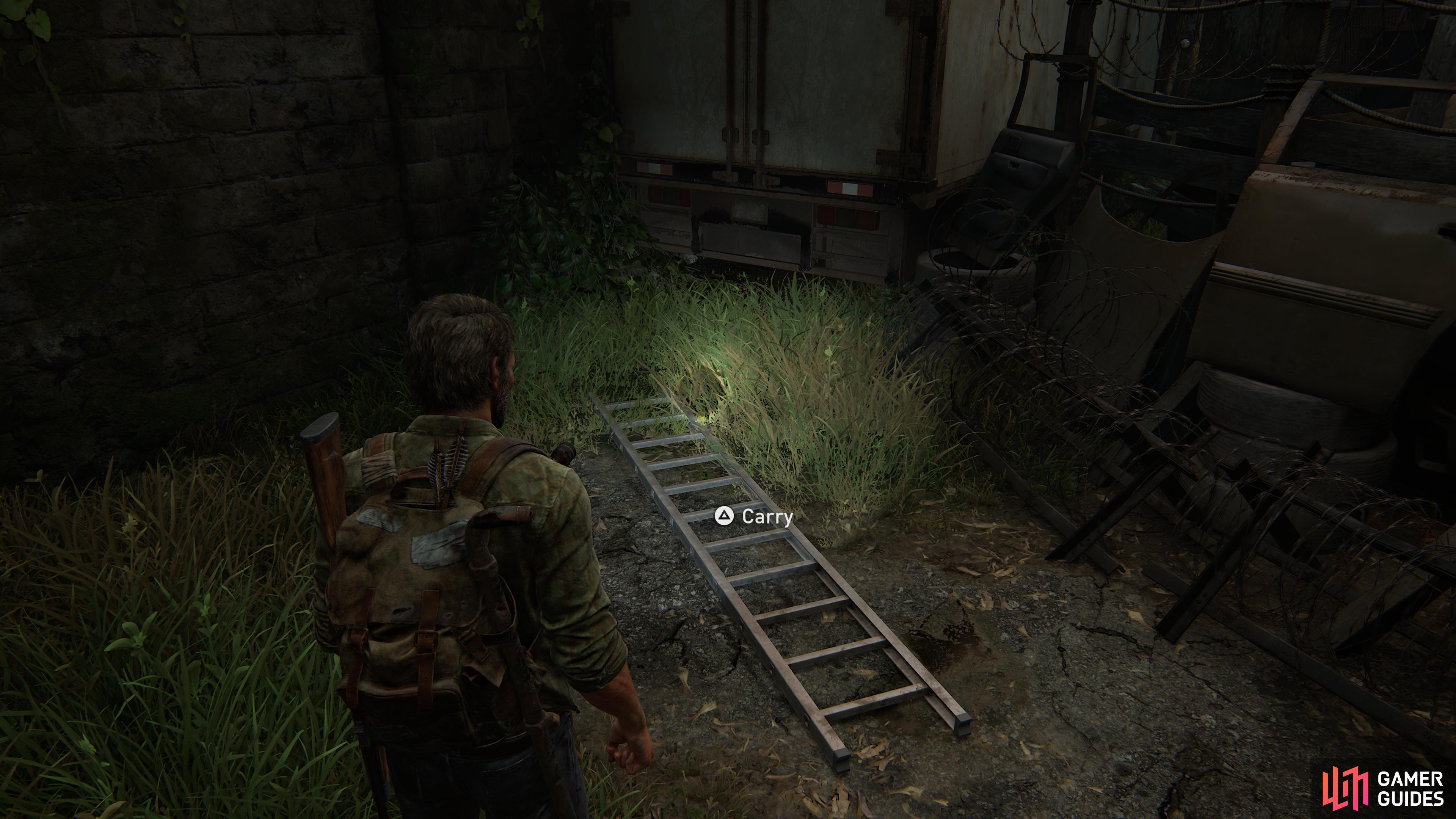
Search. The player explores ruined spaces for ammo, tools, notes, and routes.
Sneak or fight. Encounters often force a choice between avoiding danger or spending limited resources to survive.
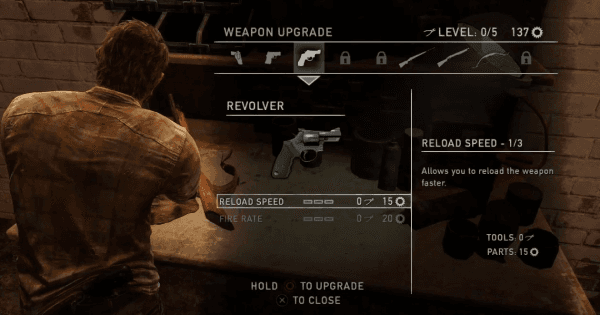
Craft and conserve. Because supplies are scarce, the player is always deciding what is worth using now versus saving for later. This scarcity is a major part of the game’s tension.
Push story forward. Every chapter keeps the Joel-Ellie journey moving, so the loop always serves both survival and narrative momentum.
The loop works because the player never feels over-equipped. Even success feels temporary. That is one of the game’s strongest design choices.
The gameplay loop is a survival rhythm of movement, observation, resource scarcity, and sudden violence.
Search. The player explores ruined spaces for ammo, tools, notes, and routes.
Sneak or fight. Encounters often force a choice between avoiding danger or spending limited resources to survive.
Craft and conserve. Because supplies are scarce, the player is always deciding what is worth using now versus saving for later. This scarcity is a major part of the game’s tension.
Push story forward. Every chapter keeps the Joel-Ellie journey moving, so the loop always serves both survival and narrative momentum.
The loop works because the player never feels over-equipped. Even success feels temporary. That is one of the game’s strongest design choices.
The gameplay loop is a survival rhythm of movement, observation, resource scarcity, and sudden violence.
Search. The player explores ruined spaces for ammo, tools, notes, and routes.
Sneak or fight. Encounters often force a choice between avoiding danger or spending limited resources to survive.
Craft and conserve. Because supplies are scarce, the player is always deciding what is worth using now versus saving for later. This scarcity is a major part of the game’s tension.
Push story forward. Every chapter keeps the Joel-Ellie journey moving, so the loop always serves both survival and narrative momentum.
The loop works because the player never feels over-equipped. Even success feels temporary. That is one of the game’s strongest design choices.
Level / Mission Design Ideology
Level / Mission Design Ideology
Level / Mission Design Ideology
The level design ideology of The Last of Us is built around space as pressure.
Every room has a survival purpose. Abandoned houses, schools, tunnels, offices, and streets all become tactical spaces instead of decorative ones.
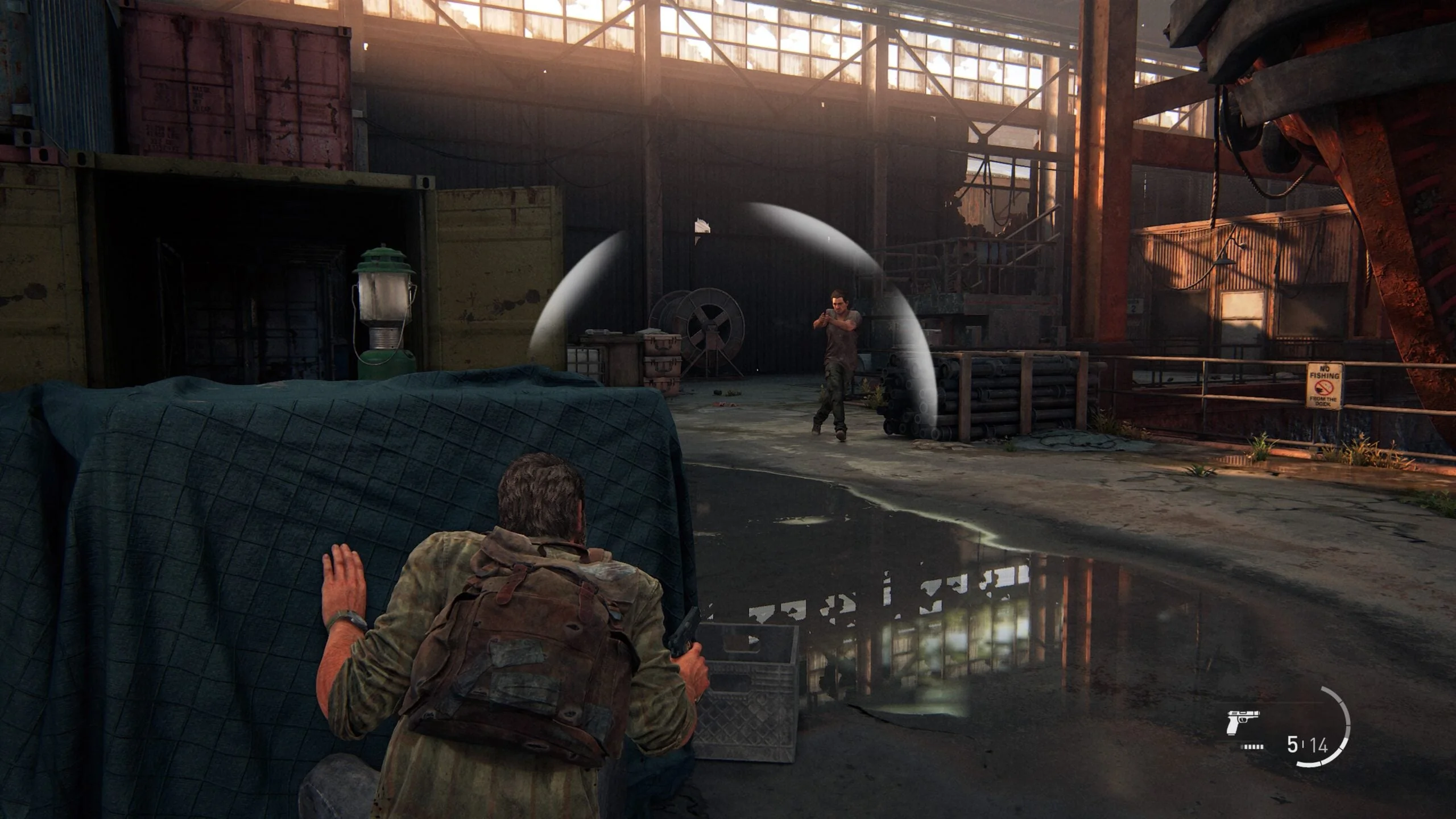
Encounters are authored, not random. The game carefully places threats so the player reads sightlines, cover, and sound instead of just reacting to enemies.
The environment teaches story. Ruins, notes, and abandoned spaces tell the player how much people have already lost before the current scene even begins.
The pacing alternates between stillness and panic. That contrast keeps missions emotionally sharp instead of mechanically flat.
What makes the missions so strong is that they always feel like survival problems inside a story, not just objective markers in a level.
The level design ideology of The Last of Us is built around space as pressure.
Every room has a survival purpose. Abandoned houses, schools, tunnels, offices, and streets all become tactical spaces instead of decorative ones.
Encounters are authored, not random. The game carefully places threats so the player reads sightlines, cover, and sound instead of just reacting to enemies.
The environment teaches story. Ruins, notes, and abandoned spaces tell the player how much people have already lost before the current scene even begins.
The pacing alternates between stillness and panic. That contrast keeps missions emotionally sharp instead of mechanically flat.
What makes the missions so strong is that they always feel like survival problems inside a story, not just objective markers in a level.
The level design ideology of The Last of Us is built around space as pressure.
Every room has a survival purpose. Abandoned houses, schools, tunnels, offices, and streets all become tactical spaces instead of decorative ones.
Encounters are authored, not random. The game carefully places threats so the player reads sightlines, cover, and sound instead of just reacting to enemies.
The environment teaches story. Ruins, notes, and abandoned spaces tell the player how much people have already lost before the current scene even begins.
The pacing alternates between stillness and panic. That contrast keeps missions emotionally sharp instead of mechanically flat.
What makes the missions so strong is that they always feel like survival problems inside a story, not just objective markers in a level.
Player Agency
Player Agency
Player Agency
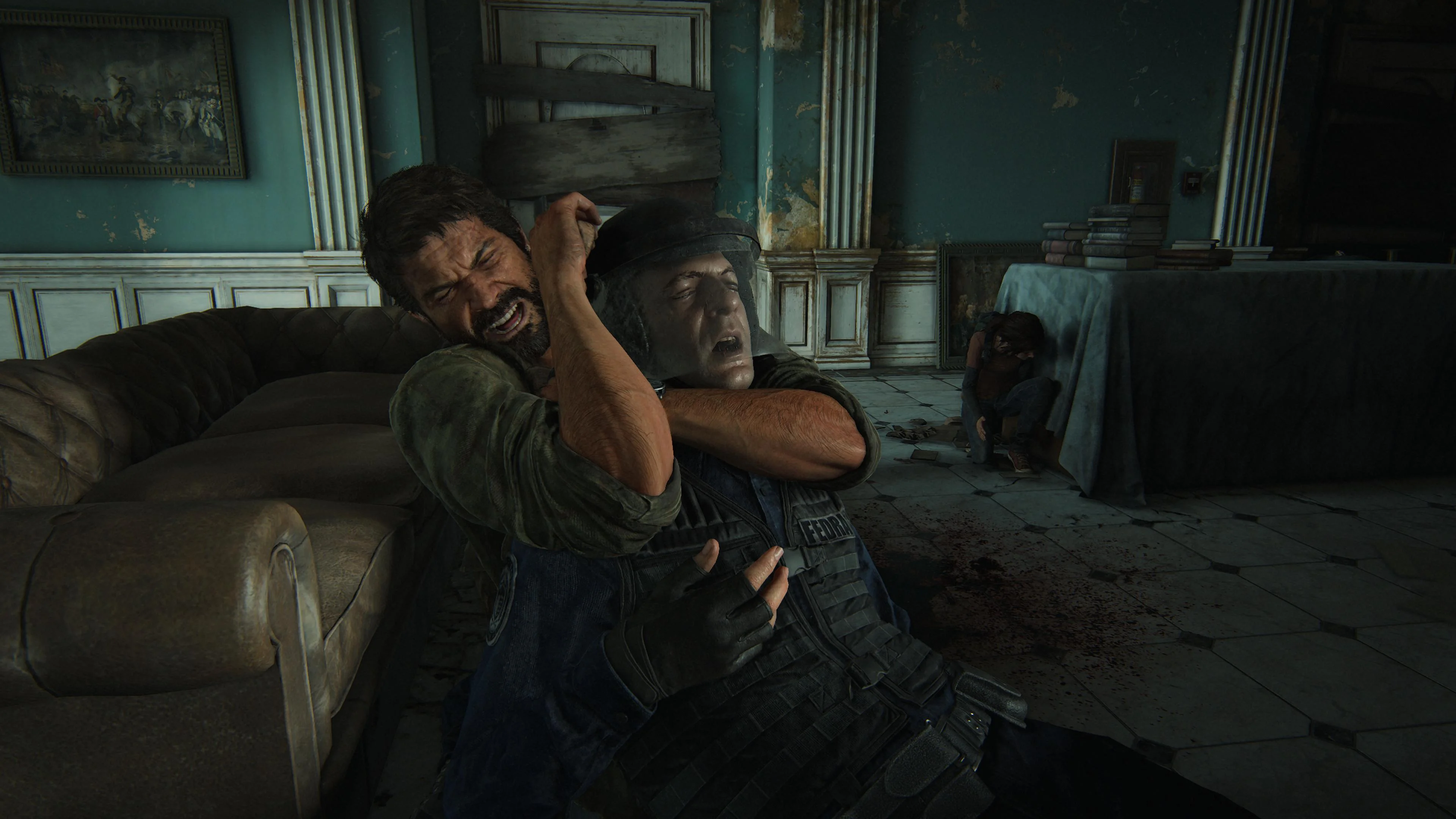
The Last of Us gives agency by making the player responsible for how they survive, not whether they are in danger.
Stealth or force. The player can sneak through many situations, but if they commit to combat, they must do so carefully because resources are limited.
Route choice matters. Small environmental decisions can change how exposed or safe a player feels in any encounter.
Emotional agency exists too. The player is not just steering Joel physically; they are participating in a growing relationship that changes the tone of every chapter.
This is a strong form of agency because the player is not being handed freedom in an abstract way. They are being asked to make difficult survival decisions under pressure.
The Last of Us gives agency by making the player responsible for how they survive, not whether they are in danger.
Stealth or force. The player can sneak through many situations, but if they commit to combat, they must do so carefully because resources are limited.
Route choice matters. Small environmental decisions can change how exposed or safe a player feels in any encounter.
Emotional agency exists too. The player is not just steering Joel physically; they are participating in a growing relationship that changes the tone of every chapter.
This is a strong form of agency because the player is not being handed freedom in an abstract way. They are being asked to make difficult survival decisions under pressure.
The Last of Us gives agency by making the player responsible for how they survive, not whether they are in danger.
Stealth or force. The player can sneak through many situations, but if they commit to combat, they must do so carefully because resources are limited.
Route choice matters. Small environmental decisions can change how exposed or safe a player feels in any encounter.
Emotional agency exists too. The player is not just steering Joel physically; they are participating in a growing relationship that changes the tone of every chapter.
This is a strong form of agency because the player is not being handed freedom in an abstract way. They are being asked to make difficult survival decisions under pressure.
Narrative Delivery
Narrative Delivery
Narrative Delivery
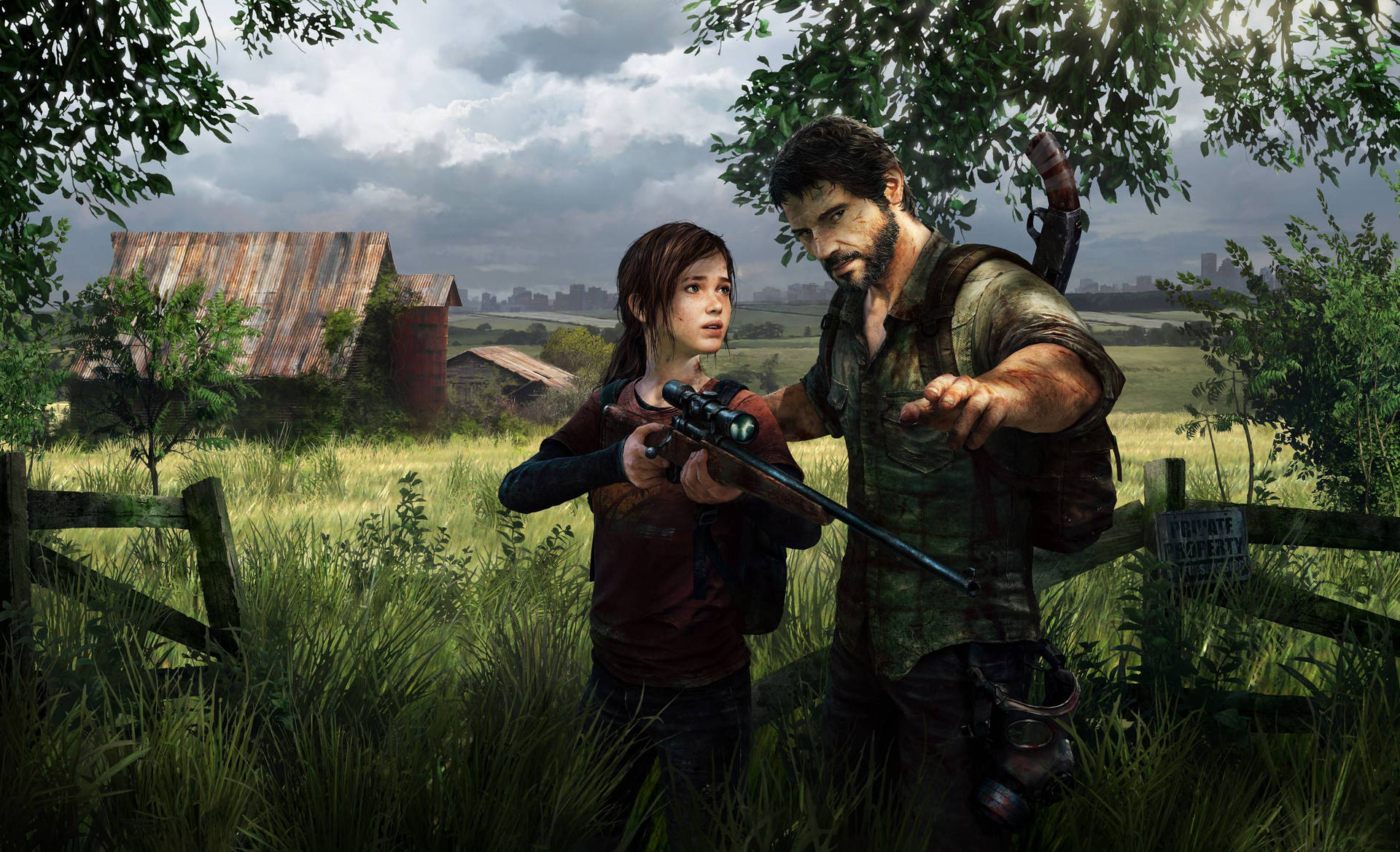
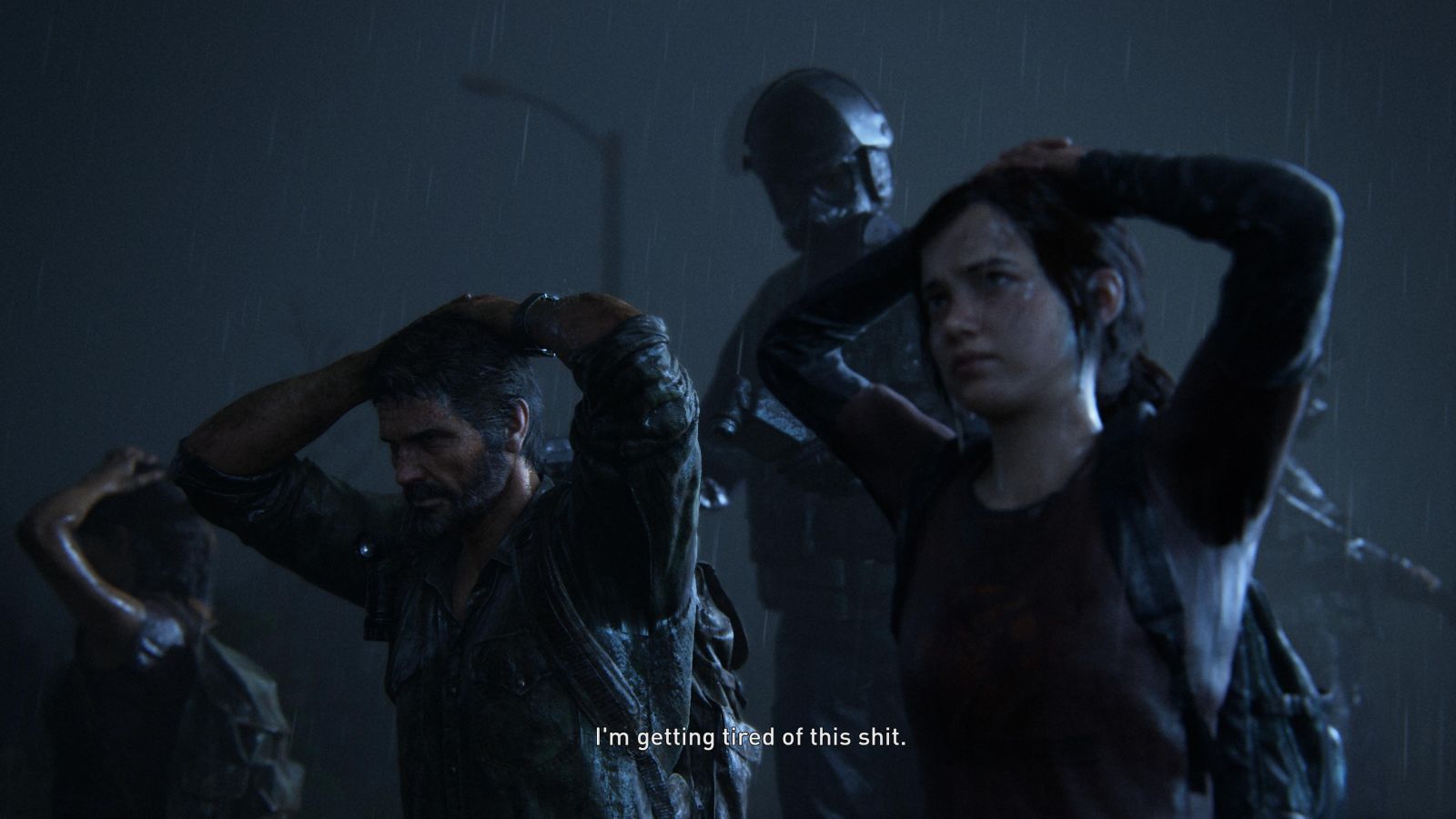
This is where The Last of Us becomes beautiful. The story is heartbreaking because it is not only about saving Ellie — it is about watching Joel rediscover something he had emotionally lost long before the journey began. PlayStation frames that journey directly as Joel being tasked with escorting Ellie to safety while carrying his own trauma.
Joel and Ellie are the emotional core. Their bond is what turns the game from a survival title into a character story.
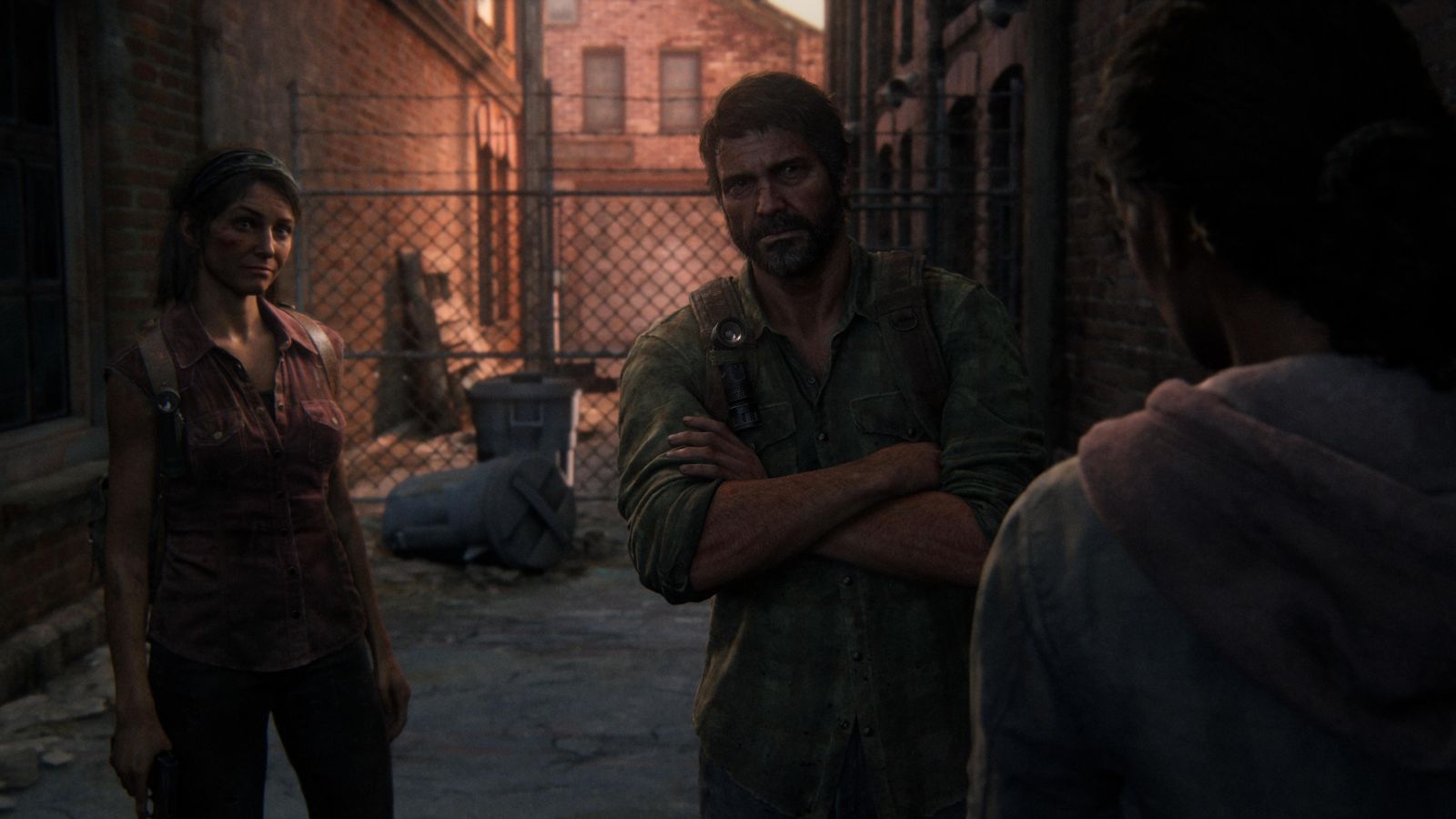
The supporting cast sharpens the world. Tess, Bill, Henry, Sam, Tommy, David, and Marlene each represent different responses to collapse, which makes the world feel emotionally complete.
The story builds trust slowly. The game’s pacing makes every moment of warmth feel earned because the world is otherwise so brutal.
The ending lands because the journey matters. The game’s emotional weight comes from the fact that the player has lived through enough danger to understand why Joel’s final decision is so devastating.
The beauty of the story is that it never feels sentimental in a cheap way. It feels earned through survival.
This is where The Last of Us becomes beautiful. The story is heartbreaking because it is not only about saving Ellie — it is about watching Joel rediscover something he had emotionally lost long before the journey began. PlayStation frames that journey directly as Joel being tasked with escorting Ellie to safety while carrying his own trauma.
Joel and Ellie are the emotional core. Their bond is what turns the game from a survival title into a character story.
The supporting cast sharpens the world. Tess, Bill, Henry, Sam, Tommy, David, and Marlene each represent different responses to collapse, which makes the world feel emotionally complete.
The story builds trust slowly. The game’s pacing makes every moment of warmth feel earned because the world is otherwise so brutal.
The ending lands because the journey matters. The game’s emotional weight comes from the fact that the player has lived through enough danger to understand why Joel’s final decision is so devastating.
The beauty of the story is that it never feels sentimental in a cheap way. It feels earned through survival.
This is where The Last of Us becomes beautiful. The story is heartbreaking because it is not only about saving Ellie — it is about watching Joel rediscover something he had emotionally lost long before the journey began. PlayStation frames that journey directly as Joel being tasked with escorting Ellie to safety while carrying his own trauma.
Joel and Ellie are the emotional core. Their bond is what turns the game from a survival title into a character story.
The supporting cast sharpens the world. Tess, Bill, Henry, Sam, Tommy, David, and Marlene each represent different responses to collapse, which makes the world feel emotionally complete.
The story builds trust slowly. The game’s pacing makes every moment of warmth feel earned because the world is otherwise so brutal.
The ending lands because the journey matters. The game’s emotional weight comes from the fact that the player has lived through enough danger to understand why Joel’s final decision is so devastating.
The beauty of the story is that it never feels sentimental in a cheap way. It feels earned through survival.
Design Strengths and Limitations
Design Strengths and Limitations
Design Strengths and Limitations
What the game does exceptionally well
It blends emotional storytelling and survival gameplay into one inseparable experience.
It makes scarcity feel meaningful rather than frustrating.
It turns infected encounters into sound-based fear machines instead of generic enemy fights.
What could be improved
Some encounters can feel a little too scripted once you understand the rhythm of stealth-combat spaces. That helps pacing, but it slightly reduces surprise on replay.
The game’s strongest systems are so story-driven that the player has less mechanical freedom than in more systemic survival games. That is not a flaw for this game’s style, but it is a design tradeoff.
What the game does exceptionally well
It blends emotional storytelling and survival gameplay into one inseparable experience.
It makes scarcity feel meaningful rather than frustrating.
It turns infected encounters into sound-based fear machines instead of generic enemy fights.
What could be improved
Some encounters can feel a little too scripted once you understand the rhythm of stealth-combat spaces. That helps pacing, but it slightly reduces surprise on replay.
The game’s strongest systems are so story-driven that the player has less mechanical freedom than in more systemic survival games. That is not a flaw for this game’s style, but it is a design tradeoff.
What the game does exceptionally well
It blends emotional storytelling and survival gameplay into one inseparable experience.
It makes scarcity feel meaningful rather than frustrating.
It turns infected encounters into sound-based fear machines instead of generic enemy fights.
What could be improved
Some encounters can feel a little too scripted once you understand the rhythm of stealth-combat spaces. That helps pacing, but it slightly reduces surprise on replay.
The game’s strongest systems are so story-driven that the player has less mechanical freedom than in more systemic survival games. That is not a flaw for this game’s style, but it is a design tradeoff.
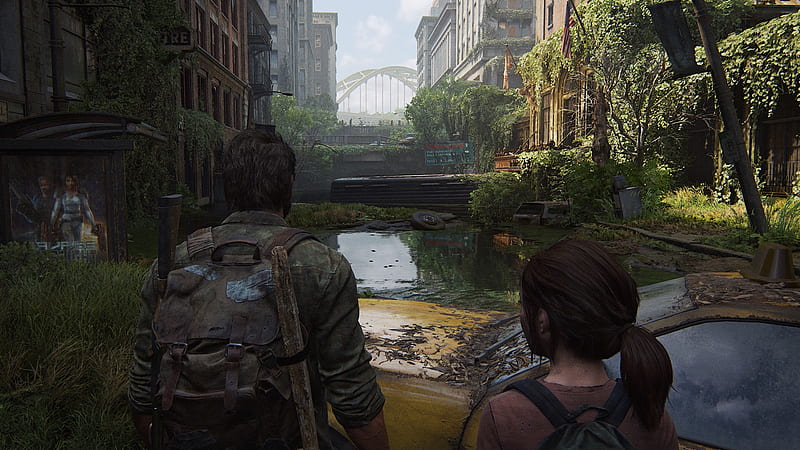
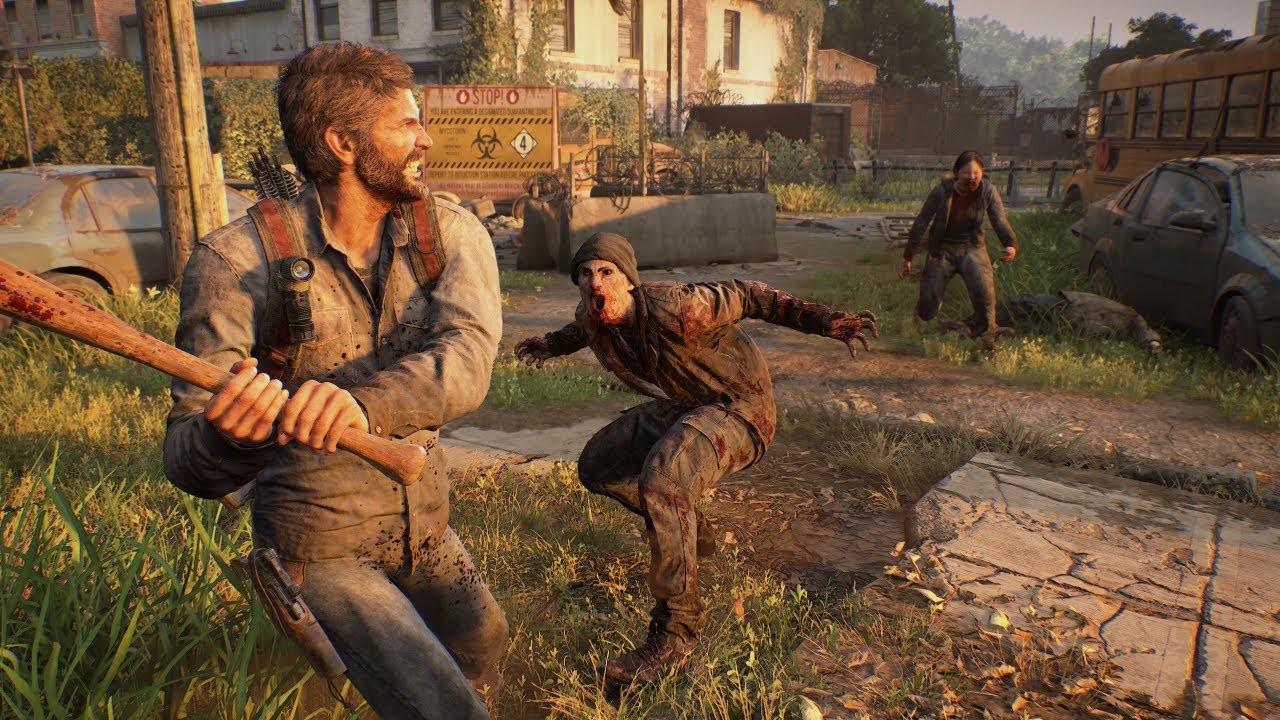
What Works Exceptionally Well
What Works Exceptionally Well
What Works Exceptionally Well
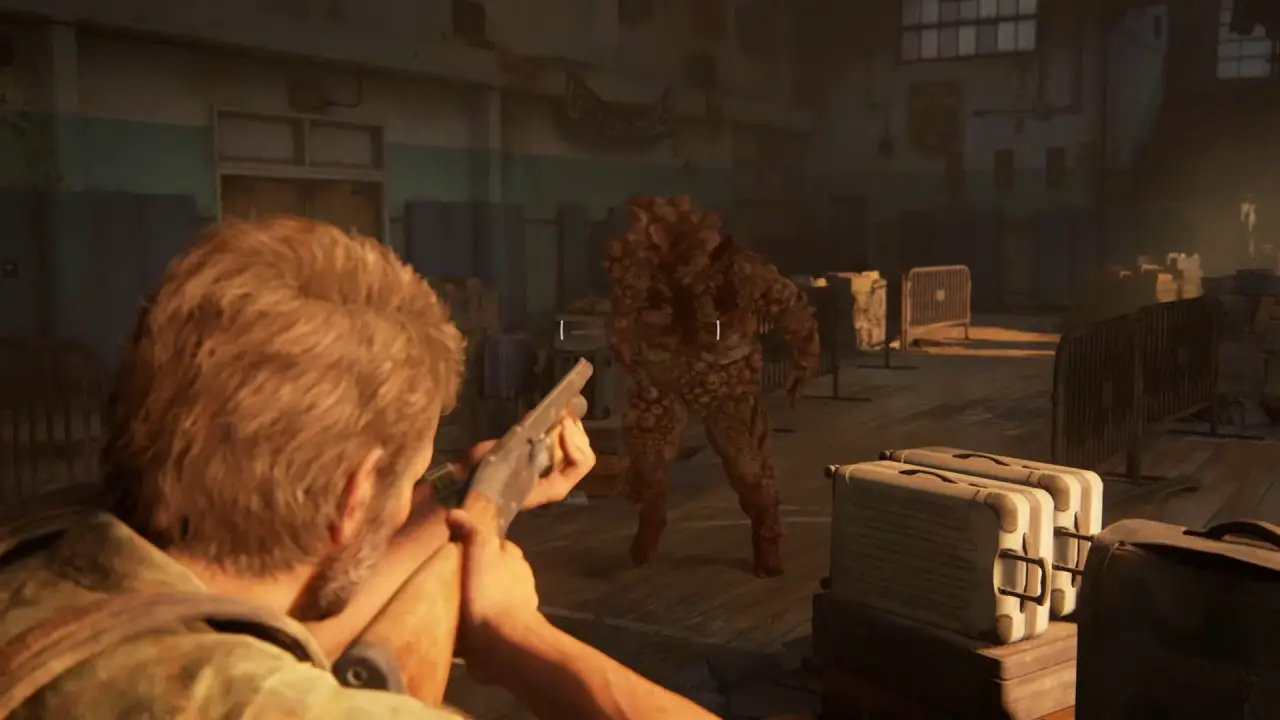
What works exceptionally well is the infected design, especially the clickers.
Clickers are terrifying because they are not normal “zombies.” They are blind, sound-hunting infected that force the player into silence-based play. Naughty Dog has explained that the infected were designed with distinct behaviors, and the clickers in particular became one of the game’s most memorable threats.
Sound becomes a weapon against the player. The clicking noise is not just atmospheric — it is gameplay information, which makes every sound in the dark feel dangerous.
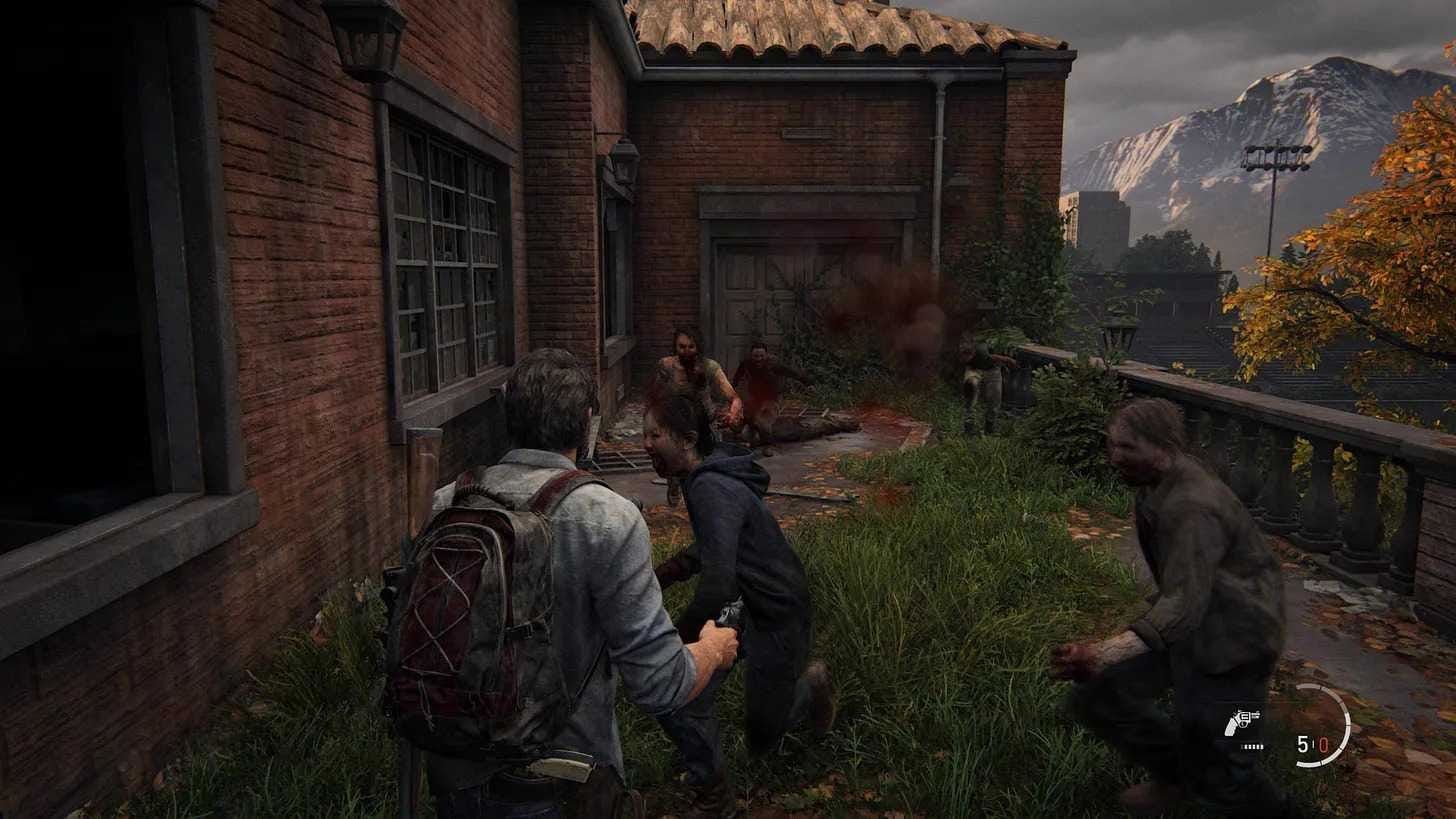
The infected feel more terrifying than standard zombie enemies because they are staged as an ecosystem. Runners, Clickers, and other forms create different pressure states rather than one enemy behavior.
The audio design is a huge part of the fear. Review coverage repeatedly highlights how sparse, harsh, and oppressive the soundscape is, which makes the infected feel closer to an ambient catastrophe than a simple enemy faction.
That is why these mutants feel scarier than many other zombie games: they are not just gross, they are mechanically terrifying. You hear them before you see them, and sometimes the sound matters more than the monster.
What works exceptionally well is the infected design, especially the clickers.
Clickers are terrifying because they are not normal “zombies.” They are blind, sound-hunting infected that force the player into silence-based play. Naughty Dog has explained that the infected were designed with distinct behaviors, and the clickers in particular became one of the game’s most memorable threats.
Sound becomes a weapon against the player. The clicking noise is not just atmospheric — it is gameplay information, which makes every sound in the dark feel dangerous.
The infected feel more terrifying than standard zombie enemies because they are staged as an ecosystem. Runners, Clickers, and other forms create different pressure states rather than one enemy behavior.
The audio design is a huge part of the fear. Review coverage repeatedly highlights how sparse, harsh, and oppressive the soundscape is, which makes the infected feel closer to an ambient catastrophe than a simple enemy faction.
That is why these mutants feel scarier than many other zombie games: they are not just gross, they are mechanically terrifying. You hear them before you see them, and sometimes the sound matters more than the monster.
What works exceptionally well is the infected design, especially the clickers.
Clickers are terrifying because they are not normal “zombies.” They are blind, sound-hunting infected that force the player into silence-based play. Naughty Dog has explained that the infected were designed with distinct behaviors, and the clickers in particular became one of the game’s most memorable threats.
Sound becomes a weapon against the player. The clicking noise is not just atmospheric — it is gameplay information, which makes every sound in the dark feel dangerous.
The infected feel more terrifying than standard zombie enemies because they are staged as an ecosystem. Runners, Clickers, and other forms create different pressure states rather than one enemy behavior.
The audio design is a huge part of the fear. Review coverage repeatedly highlights how sparse, harsh, and oppressive the soundscape is, which makes the infected feel closer to an ambient catastrophe than a simple enemy faction.
That is why these mutants feel scarier than many other zombie games: they are not just gross, they are mechanically terrifying. You hear them before you see them, and sometimes the sound matters more than the monster.
In GAME SCREENSHOTS
In GAME SCREENSHOTS
In GAME SCREENSHOTS
What I Learned as a Designer
What I Learned as a Designer
What I Learned as a Designer
The Last of Us teaches that the most powerful game stories are often the ones where mechanics and emotion reinforce each other.
Scarcity makes every decision heavier.
A companion can become a narrative anchor, not just an AI helper.
Enemy design becomes unforgettable when it creates a new rule for how the player must listen, move, and react.
A linear story can still feel deeply interactive when every chapter is built around pressure, consequence, and emotional pacing.
As a designer, the biggest lesson I take from The Last of Us is that horror and tenderness can coexist in the same design space, and when they do, the player remembers the journey far longer than the systems alone.
The Last of Us teaches that the most powerful game stories are often the ones where mechanics and emotion reinforce each other.
Scarcity makes every decision heavier.
A companion can become a narrative anchor, not just an AI helper.
Enemy design becomes unforgettable when it creates a new rule for how the player must listen, move, and react.
A linear story can still feel deeply interactive when every chapter is built around pressure, consequence, and emotional pacing.
As a designer, the biggest lesson I take from The Last of Us is that horror and tenderness can coexist in the same design space, and when they do, the player remembers the journey far longer than the systems alone.
The Last of Us teaches that the most powerful game stories are often the ones where mechanics and emotion reinforce each other.
Scarcity makes every decision heavier.
A companion can become a narrative anchor, not just an AI helper.
Enemy design becomes unforgettable when it creates a new rule for how the player must listen, move, and react.
A linear story can still feel deeply interactive when every chapter is built around pressure, consequence, and emotional pacing.
As a designer, the biggest lesson I take from The Last of Us is that horror and tenderness can coexist in the same design space, and when they do, the player remembers the journey far longer than the systems alone.
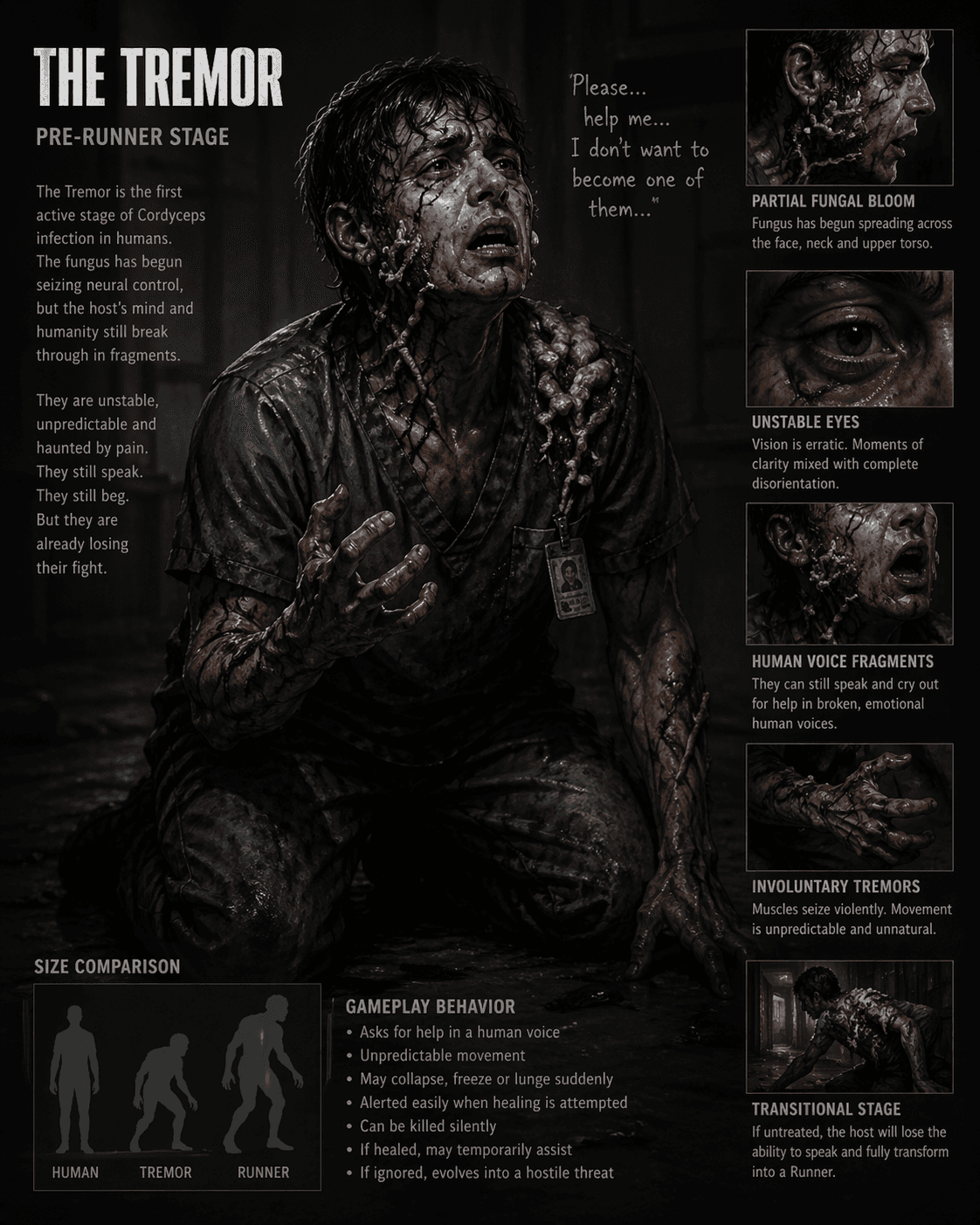
WHAT IF ? WHAT IF ?
WHAT IF ? WHAT IF ?
More Blogs More Blogs


Let'S WORK
TOGETHER
BASED IN INDIA

GAME DESIGNER
Let'S WORK
TOGETHER
BASED IN INDIA
GAME DESIGNER
Let'S WORK
TOGETHER
Let'S WORK
TOGETHER
BASED IN INDIA
GAME DESIGNER